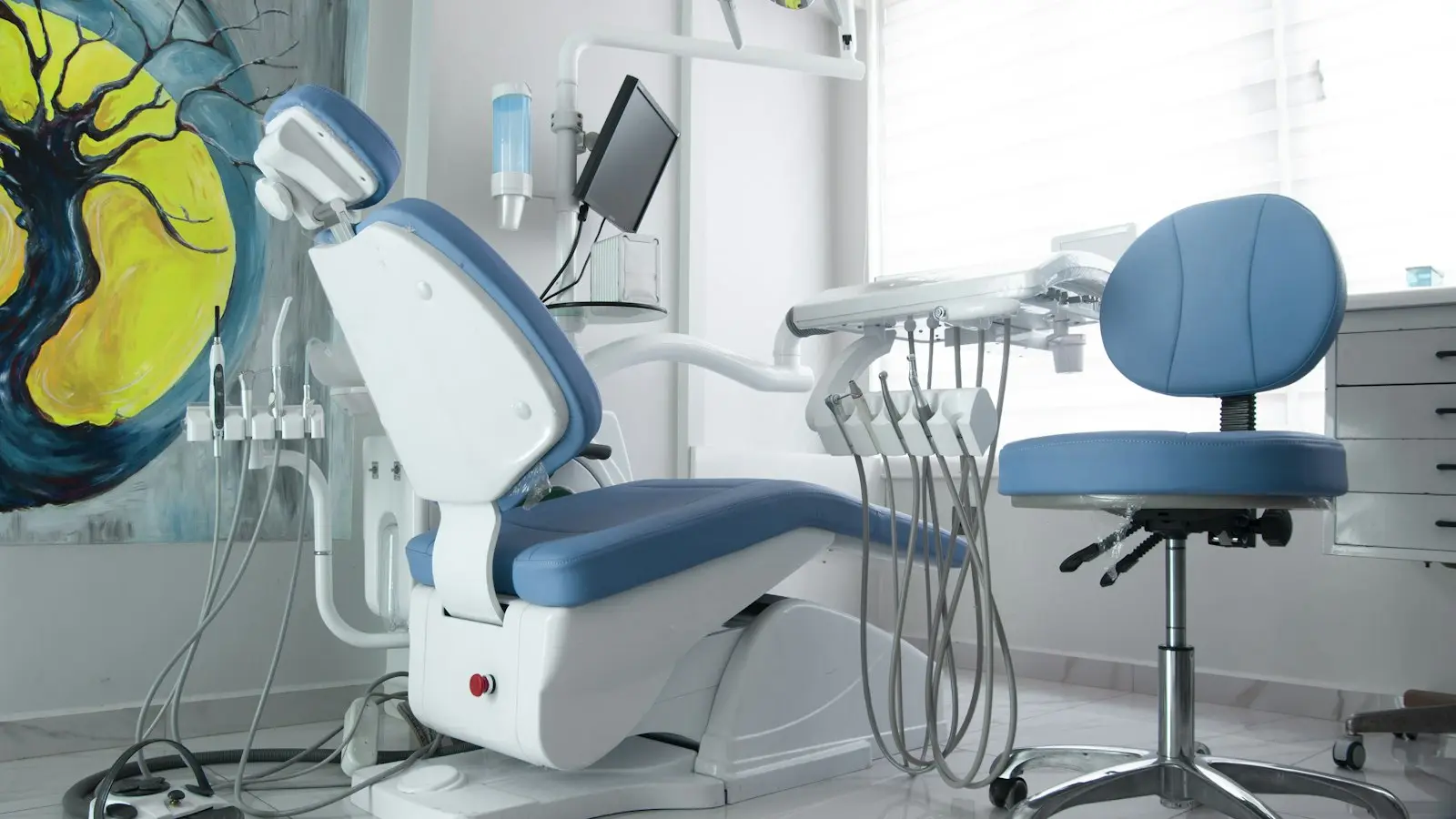
A loose dental implant should be assessed by a dentist rather than tested or repaired at home. Movement may come from the visible crown, the connecting abutment, or the implant fixture anchored in the jaw. These problems can feel similar without a professional examination.
Do not pull, twist, glue, file, or try to tighten the restoration. Contact the dentist, oral surgeon, or implant provider who treated you, especially if movement is increasing or you also have pain, swelling, bleeding, drainage, fever, or a persistent bad taste.
Key Takeaways
- A loose-feeling implant may involve the crown, abutment, connecting screw, or implant fixture—not necessarily the entire implant.
- Do not rock, chew on, glue, remove, or tighten the restoration yourself.
- Arrange a prompt dental assessment, even if pain is mild or absent.
- Facial or neck swelling, trouble breathing or swallowing, uncontrolled bleeding, or severe illness requires emergency medical care.
- Softer foods and avoiding the affected side can reduce additional stress while you wait to be examined.
First determine what may be moving
A dental implant restoration has several separate parts. The implant fixture is the small post placed in the jawbone. The abutment connects that fixture to the replacement tooth, and the crown is the visible tooth-shaped restoration above the gumline.
If only the crown is moving, the issue may involve the crown’s connection, a connecting screw, the abutment, the fit of the restoration, or forces placed on it during chewing. This is sometimes described as a loose implant crown. It can require attention even when the implant fixture itself remains stable.
Movement of the abutment may feel like movement of the whole tooth because the crown and abutment are connected. In contrast, true movement of the implant fixture within the jaw is more concerning. It may be associated with loss of supporting bone, inflammation around the implant, mechanical damage, or another implant complication.
It is not safe to identify the cause by forcefully rocking the tooth, biting down repeatedly, or trying to hold the crown while moving it. Those actions can place additional stress on the restoration and surrounding tissues. Only a dental examination can reliably determine which component has mobility.
When loose implant symptoms need urgent attention
Arrange a prompt dental assessment if an implant or its restoration feels loose, even if pain is mild or absent. A loose component can shift during chewing, irritate the gum, damage connecting parts, or make a more extensive repair harder if the problem continues.
Contact a dental professional as soon as possible if you notice any of the following:
- Increasing or severe pain around the implant
- Swelling, redness, tenderness, or warmth in the gum
- Bleeding that does not settle with gentle pressure
- Pus, drainage, or a persistent bad taste or odor
- Fever or feeling generally unwell
- Rapidly worsening movement
- A change in your bite or difficulty bringing the teeth together normally
- A crown or other restoration that has partly detached
These signs can occur with inflammation, infection, trauma, mechanical failure, or other conditions. They do not prove implant failure or bone loss on their own, but they should not be dismissed. Pain severity is also not a reliable measure of whether the implant fixture is stable; some significant dental problems produce limited discomfort at first.
Facial or neck swelling, difficulty breathing or swallowing, uncontrolled bleeding, confusion, fainting, or severe systemic illness requires urgent medical or emergency care rather than waiting for a routine dental appointment. If swelling is affecting the airway or you feel seriously unwell, use local emergency services.
What to do before you are examined
Start by calling the dental office that placed or restored the implant. If that provider is unavailable, another dentist, an oral surgeon, or an emergency dental service can advise you about the appropriate level of care. Explain when the movement began, whether the crown or fixture seems to move, and whether you have pain, swelling, bleeding, drainage, fever, or a changed bite.
Until you are assessed, avoid chewing on that side. Choose softer foods that require less force, and avoid hard, sticky, crunchy, or chewy foods that could pull on the restoration or load it repeatedly. Do not test the implant with your tongue or fingers, and avoid clenching or deliberately biting on it.
Do not pull, twist, remove, glue, cement, file, or reshape the crown or abutment. Household adhesives and over-the-counter materials are not designed for use around an implant and may irritate tissue, contaminate the components, or make professional removal more difficult. Home tightening is also risky because the correct method depends on the implant system, component, screw, fit, and condition of the surrounding tissues.
Keep the area reasonably clean with gentle brushing and normal oral-hygiene methods that do not cause forceful movement. Follow any individualized instructions from your dental team. Do not place unapproved substances, powders, oils, or medication directly around the implant.
If the restoration comes out, do not force it back into place. Keep it in a clean container and ask the dental office whether to bring it to the appointment. A detached crown is different from a mobile implant fixture, but the distinction still needs professional assessment.
How a dentist identifies the cause
A dentist will ask about the timing of the problem, recent biting trauma, changes in chewing, oral-hygiene difficulties, and any pain or swelling. The clinician may inspect the crown, abutment, gum, and bite, then perform gentle professional mobility testing rather than forceful manipulation.
Dental imaging may be used when indicated. An X-ray or other imaging can help the clinician evaluate the position of the implant, the surrounding bone, the fit of components, and possible changes that cannot be seen directly. Imaging is not necessarily required in every situation, but it may be important when fixture mobility, bone changes, infection, or fracture is suspected.
Component testing can help identify whether the crown, connecting screw, abutment, or implant fixture is involved. The dentist may also look for inflammation around the implant, bleeding from the gum, drainage, bite forces, wear, fracture, poor fit, or damage to the restoration.
The examination matters because symptoms overlap. A loose crown can feel alarming but may involve a repairable component, while a stable-looking crown can coexist with inflammation or a deeper problem. Conversely, the absence of major pain does not guarantee that the implant is healthy.
Possible treatment and what affects the outcome
Treatment depends on the moving part and the condition of the implant, restoration, gums, and supporting bone. If the problem is limited to a crown, abutment, or connecting screw, the dentist may be able to repair, adjust, replace, or professionally re-secure the affected component after identifying why it loosened.
A simple tightening is not always the correct solution. Repeated loosening may reflect bite forces, a damaged screw, a worn or fractured component, an inaccurate fit, or movement elsewhere in the system. Treating only the visible symptom without addressing the cause can lead to recurrence.
If the implant fixture itself is mobile, or if examination suggests infection, inflammation, bone loss, or structural damage, treatment may be more involved. It can include management of the surrounding tissues, treatment of an infection or inflammatory condition, removal of a damaged component, or removal and replacement of the implant in selected cases. The appropriate plan cannot be determined from symptoms alone.
Costs and treatment time vary according to the diagnosis, the implant system and materials, the need for imaging, the condition of the crown and abutment, and the health of the surrounding gum and bone. Insurance coverage and warranty arrangements may also affect out-of-pocket costs. A dental office can provide a more meaningful estimate after examination rather than before the source of the movement is known.
Prompt assessment generally gives the clinician more options than continued chewing or self-repair. It does not guarantee that an implant can be saved, but avoiding additional force and getting appropriate evaluation can help prevent a manageable component problem from becoming more complicated.
FAQ
Is a dental implant supposed to move slightly?
The implant fixture should not be treated as normally movable. A restoration may have a component problem that feels like slight movement, but readers should not try to determine the difference by rocking it. Any new or increasing movement should be reported to a dental professional.
Can a loose implant crown be tightened at home?
No. Do not use household tools, glue, cement, or over-the-counter repair materials. The dentist needs to identify the affected component, inspect the fit and surrounding tissues, and use the correct instruments and parts if a repair is appropriate.
How quickly should I see a dentist for a loose dental implant?
Contact a dentist or implant provider promptly, even if discomfort is limited. Seek same-day dental assessment for increasing mobility, significant pain, swelling, drainage, persistent bleeding, fever, or a rapidly worsening bite problem. Seek emergency medical care for facial or neck swelling, trouble breathing or swallowing, uncontrolled bleeding, or severe illness.
A loose-feeling implant is not automatically a failed implant, but it is not something to monitor indefinitely. Protect the area from chewing forces, avoid self-repair, and arrange an examination so the crown, abutment, and implant fixture can be assessed separately.