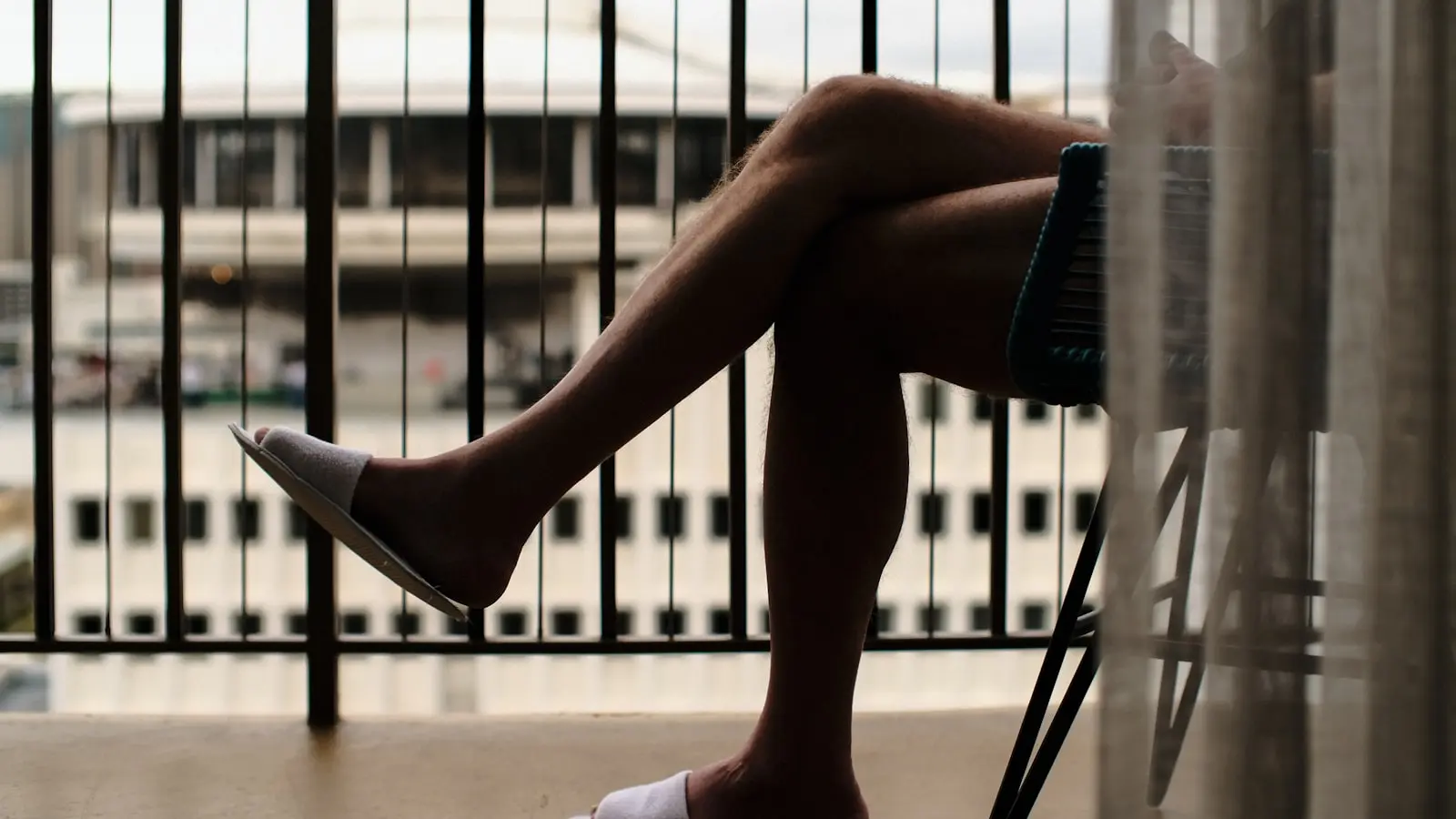
A week of sightseeing can leave even active travelers with heavy, aching legs. The cause is usually a mix of muscle overload from long walking days and slower blood flow from hours spent sitting in transit. Most cases ease within a few days with light movement, elevation, and hydration.
Key Takeaways
- A sudden jump in daily steps can cause delayed onset muscle soreness (DOMS), which often peaks 24 to 72 hours after the heaviest walking.
- Tired, heavy legs are common, but one-sided swelling, calf pain, warmth, or redness can be warning signs of a deeper circulation issue.
- Recovery can start in a hotel room: keep moving lightly, elevate your legs, use compression socks with care, and drink enough water.
- Mild swelling can linger for a few days. If one leg is clearly more swollen or symptoms get worse, seek medical advice.
Why a Week of Sightseeing Leaves Your Legs Aching
A city break often means a sudden jump in daily steps. One day you are walking a normal amount, and the next you are covering mile after mile on pavement, hills, and cobblestones. That abrupt increase is why many travelers end up with sore legs after sightseeing.
The main cause is delayed onset muscle soreness, also called DOMS. It develops when muscles handle more stress than they are used to, especially during downhill walking or repeated stair climbing. Small amounts of muscle fiber damage and inflammation lead to stiffness and tenderness. DOMS usually appears 12 to 24 hours after activity and peaks within 24 to 72 hours, so the second day of the trip can feel worse than the first.
Travel days add a circulatory problem. Long periods of sitting allow blood to pool in the lower legs, which increases pressure in the veins and causes a heavy, achy feeling. When you combine that with hours of standing in museums and queues, your legs are dealing with both muscle fatigue and sluggish blood flow.
Tired, Heavy Legs vs. Signs That Need Medical Attention
Normal post-sightseeing soreness feels like a dull ache, stiffness, or mild swelling in the calves and thighs. It may hurt to walk down stairs or stand up after sitting, but gentle movement often makes it better. The discomfort usually fades within a few days.
The main condition to keep in mind is deep vein thrombosis, or DVT. DVT is a blood clot that forms in a deep vein, usually in the leg. It can develop after long periods of immobility, such as a long flight or a long car ride, and it can also appear after days of heavy walking with long stretches of sitting.
Warning signs include one-sided leg swelling, pain or tenderness in the calf, warmth in the affected area, and skin that looks red or feels hot. These symptoms do not mean a clot is present, but they are a reason to check with a doctor or urgent care. Do not massage the area, because massage could dislodge a clot if one is there.
If leg pain comes with chest pain, shortness of breath, or difficulty breathing, call emergency services immediately. These can be signs of a clot moving to the lungs and need urgent evaluation.
A Hotel-Room Recovery Plan for Sore Legs
A hotel room is enough for a recovery routine. The goal is simple: keep blood moving, reduce swelling, and avoid long stretches of stillness.
Keep moving lightly. Short walks around the room, ankle pumps, and gentle calf stretches help circulation and prevent stiffness. Ankle pumps are easy to do in bed: point your toes, flex your feet, and make slow circles with each ankle. Repeat them regularly, especially after a long sightseeing day.
Elevate your legs above heart level for 15 to 30 minutes. Prop them on pillows or rest them against the wall. This lets gravity help drain fluid from the lower legs and can quickly reduce the heavy, swollen feeling. It is most effective at the end of the day or during a break between activities.
Compression socks can support vein function and reduce fluid buildup. They are not for everyone, though. If you have circulation problems, diabetes, or skin changes on your legs, ask a doctor before using them.
Hydration also matters. Dehydration can worsen cramps and muscle stiffness, especially after a day of walking in warm weather or dry indoor air. Drink water steadily throughout the day. A snack with potassium or magnesium, such as a banana or a handful of nuts, can support normal muscle recovery, but it will not cure soreness on its own.
A warm compress, a cool compress, or a gentle self-massage can soothe tired legs. Use a foam roller on the calves and thighs if that feels comfortable, but do not press into sharp pain. The goal is relaxation, not deep pressure.
Finally, avoid long stretches of standing still or sitting with your legs down. If you have an evening flight or train ride, get up regularly, walk a little, and flex your ankles while seated. These small actions keep blood flowing and reduce the chance of waking up with heavier legs.
Why Swelling Can Linger After a Trip
Mild swelling in the feet and ankles can take a few days to settle. The body builds up extra fluid in the lower legs during long walking days, and travel-related sitting slows the process of moving that fluid back into circulation.
Keep an eye on both legs. Symmetrical swelling that slowly improves is usually normal. If one leg is clearly more swollen than the other, or if swelling gets worse after a few days of recovery, get it checked. Swelling with pain, redness, warmth, or a tender calf also needs medical evaluation.
You can support the process with daily movement, elevation, hydration, and compression socks during the day. But if the swelling does not improve or is one-sided, do not rely on home treatment alone.
How to Prevent Leg Soreness on Your Next Walking-Focused City Break
Start preparing before a walking holiday or city break. Gradually increase your daily step count in the weeks beforehand. This helps condition your calf muscles, thighs, and the connective tissue around your knees and ankles for long days of walking.
During the trip, rotate between two pairs of comfortable walking shoes. This spreads pressure and gives your feet a break from the same strain. Take short sitting breaks at cafés or parks, and drink water throughout the day. These breaks do not slow you down much, but they reduce the load on your legs.
On travel days, get up from your seat regularly. On a plane or train, walk down the aisle when it is safe. If driving, plan regular stops to stretch and walk. Flex your ankles while seated to keep blood moving.
After you arrive, take a short evening walk instead of collapsing straight into bed. Light movement helps flush fluid and can prevent the next-morning stiffness that often follows a long day of standing and sitting.
Frequently Asked Questions
How long do legs stay sore after a week of sightseeing?
Most soreness from a walking-heavy trip settles within a few days. The worst discomfort usually appears 24 to 72 hours after the heaviest activity, then slowly improves. If it continues much longer than that or becomes worse, mention it to a doctor.
What should I do if my legs are still swollen a few days after my trip?
Keep moving gently, elevate your legs for 15 to 30 minutes a few times a day, and drink plenty of water. Compression socks can help during the day. If the swelling is only in one leg, is painful, or does not improve after a few days, seek medical advice.
When should I worry about leg pain after travel?
Seek medical attention if you have one-sided leg swelling, calf pain, warmth, redness, or tenderness. Go to urgent care or the emergency room if leg pain appears with chest pain, shortness of breath, or difficulty breathing. These symptoms can point to deep vein thrombosis and need prompt medical attention.