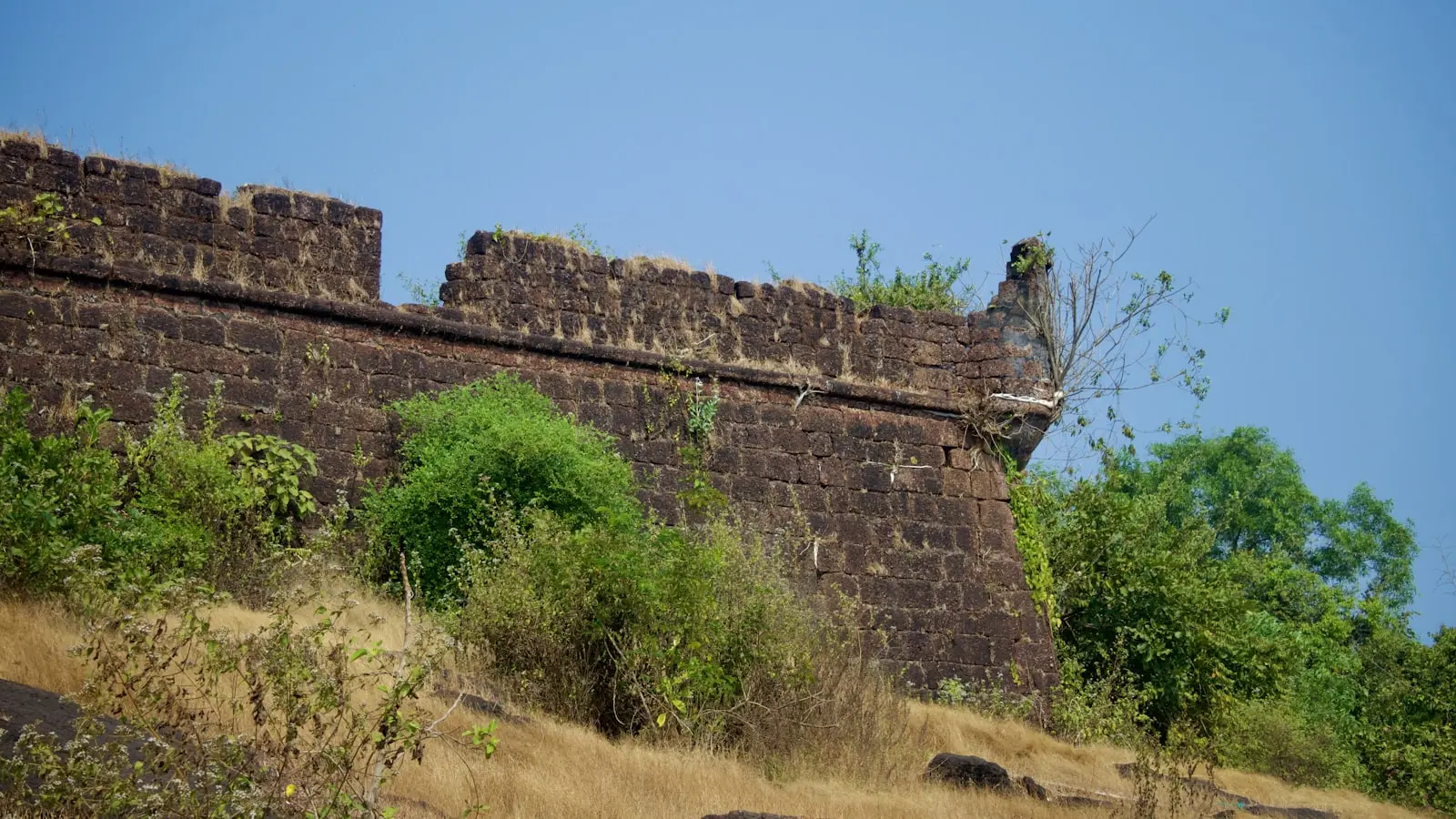
The Reddit thread reads like a data set. Users in r/hiking recount their experience walking through Kotor’s Old Town and then attempting the fortress climb. The numbers emerge quickly: 1.5 kilometers of uneven stone steps, a steep gradient, and the Mediterranean sun working against every stride. For the casual tourist, this looks like a short walk. For the athlete, it resembles a threshold session disguised as sightseeing.
This is not a hike. It is a controlled test of aerobic capacity, muscular endurance, and thermoregulation. The scoreboard lies, but the numbers reveal the truth. Let us break down the mechanisms at play.
The Physical Numbers: Distance, Gradient, and Workload
The climb stretches 1.5 kilometers in linear distance. That distance alone is trivial. A flat 1.5 km jog at a moderate pace requires roughly 8 to 10 minutes and burns about 100 calories for a 70 kg individual. The Kotor fortress climb, however, gains approximately 300 meters in elevation over that same distance. The average gradient exceeds 20 percent. (Calculated as rise over run: 300 meters vertical gain over 1,500 meters horizontal yields 0.20, or 20% grade.) At points, the gradient spikes above 30 percent where the steps narrow and the path doubles back.
What does a 20% grade mean in practical terms? Running or walking at a 20% incline increases the oxygen cost by roughly 4.5 times compared to flat walking at the same speed. A person weighing 70 kg walking at 3 km/h on flat ground requires approximately 3 METs (metabolic equivalents). On a 20% grade, that same speed demands closer to 8 METs. For context, 8 METs is the equivalent of jogging at 8 km/h on flat ground. The heart rate response mirrors that of moderate-to-vigorous cardiovascular exercise. Data from wearable devices collected by other climbers (as shared on forums) indicates an average heart rate of 150 to 170 beats per minute for the ascent, depending on pace and acclimation.
Fitness analysts would classify this effort as Zone 3 or Zone 4 for most recreational hikers. Zone 3 is the threshold where lactate begins to accumulate faster than the body can clear it. Zone 4 is the red line. Beginners who attempt the climb without pacing often find themselves in Zone 4 within the first 500 meters. The body screams for oxygen and the legs burn. That is not weakness. That is a predictable response to an imposed power output exceeding the individual’s lactate threshold.
The Environmental Variables: Heat, Humidity, and Surface Instability
Kotor sits on the Bay of Kotor, a coastal region in Montenegro with a Mediterranean climate. Summer temperatures routinely hit 30 to 35 degrees Celsius with humidity hovering around 50 to 60 percent. The fortress climb has minimal shade. The stone absorbs and radiates heat, raising the ambient temperature at the surface by 5 to 10 degrees. (The thermal mass of limestone means it stays warm long after the sun sets.)
Heat and humidity together degrade performance through two mechanisms. First, the body shunts blood to the skin for cooling, reducing the oxygen available to working muscles. Second, sweat evaporation becomes less efficient in humid air, limiting the core’s ability to shed heat. The result is a rapid increase in core temperature, which triggers early fatigue and, in extreme cases, heat exhaustion. The Reddit users who advise starting early are not being cautious—they are applying a heat-stress mitigation strategy based on observed data. Starting at 7:00 AM versus 12:00 PM can mean a 10-degree difference in air temperature and a 20% difference in perceived exertion.
Beyond temperature, the surface itself introduces a variable rarely accounted for in standard fitness calculations: instability. The steps are uneven, worn by centuries of foot traffic. Different heights, varying depths, and loose gravel force the stabilizing muscles—the gluteus medius, the peroneals, the intrinsic foot muscles—to work harder. Each step becomes a micro-adjustment. Over 1,500 steps (estimated at roughly 1 step per meter on the steep sections), the cumulative neuromuscular demand is significant. This is why shoe choice matters. The Reddit recommendation for proper footwear is not a suggestion for comfort; it is a biomechanical necessity. A shoe with inadequate tread or insufficient ankle support increases the risk of a misstep, which can cause a fall or an ankle sprain. (An ankle sprain on a remote mountainside turns a 45-minute climb into a rescue operation.)
Psychological Factors and Pace Management
The fortress climb is short enough to invite overconfidence. The tourist sees the walls above the town and thinks, “That is only a few hundred meters away.” The visual distance is deceptive. The switchbacks and the steep pitch lengthen the actual path beyond what line-of-sight suggests. In sports psychology, this is called the planning fallacy—the tendency to underestimate the time and effort required for a task. The result is a fast start, an early blowup, and a miserable finish.
Data from user reports shows that the average ascent time for a moderately fit individual is 25 to 40 minutes. The fastest times recorded on GPS apps hover around 15 minutes for elite trail runners. The slowest times exceed one hour for those who stop frequently or struggle with the heat. The variability is driven not by raw fitness but by pace management. A controlled pace—keeping heart rate in Zone 2 for the first two-thirds of the climb—allows the climber to sustain output without crashing. (Zone 2 is the aerobic base zone where fat oxidation dominates and lactate remains low.) Most beginners, however, default to a pace that mirrors flat-ground walking, which is unsustainable on a 20% grade.
Comparative Analysis: How Does This Climb Stack Up?
To put the Kotor fortress climb in perspective, compare it to other known challenges.
| Climb | Distance (km) | Elevation Gain (m) | Average Grade (%) | Typical Duration (min) | Relative Difficulty for Beginner |
|---|---|---|---|---|---|
| Kotor Fortress | 1.5 | 300 | 20 | 25-40 | High |
| Stairway to Heaven (Hawaii) | 1.2 | 220 | 18 | 25-35 | High |
| Empire State Building Run-Up | 0.5 (86 floors) | 300 | Very high | 15-20 (elite) | Extreme |
| Local park trail (typical) | 3.0 | 150 | 5 | 45-60 | Low |
The table indicates that the Kotor fortress climb, while short in absolute distance, imposes a specific physical demand that many other trails of similar length do not. The elevation gain per kilometer (200 m/km) places it in the category of steep alpine ascents, but without the altitude acclimation requirements. The short duration means that anaerobic pathways dominate. For a fit person, this is a 15-minute high-intensity interval. For an unfit person, it is a 40-minute slog that tests mental fortitude.
Analysts would also note the recovery cost. After the climb, the descent places eccentric load on the quadriceps and calves. Downhill walking on steep steps creates micro-tears in muscle fibers, leading to soreness that peaks 24 to 48 hours later. (This is the same mechanism that makes downhill running more damaging than uphill.) Many climbers report significant knee pain or leg stiffness the following day, which further confirms that the climb is not merely a cardiovascular event but a full-body strength endurance test.
Recommendations Based on Observed Patterns
From the data and the Reddit discourse, a clear set of protocols emerges.
- Start early. The temperature difference between 7:00 AM and 11:00 AM can reduce heart rate drift by 10-15 bpm for the same effort.
- Wear trail running shoes or hiking boots with aggressive tread. Flat sneakers or sandals increase injury risk and decrease step efficiency.
- Carry at least one liter of water per hour. The combination of sweat loss and heavy breathing depletes fluids rapidly. Dehydration by just 2% of body weight reduces endurance performance by 10-15%.
- Adopt a “slow and steady” pace. Use a heart rate monitor or the talk test: if you cannot speak in full sentences, you are going too fast.
- Take breaks at the switchback turns. These natural rest points (every 200-300 vertical meters) allow the heart rate to drop back into Zone 2 before the next push.
- Consider trekking poles. They offload 10-20% of the vertical force from the legs to the upper body, reducing quadriceps fatigue. (Poles are frowned upon by purists but biomechanically sound.)
- Do not attempt the climb after a heavy meal or on insufficient sleep. The anaerobic demand requires glycogen stores and cognitive alertness.
The Unspoken Context: Tourism vs. Athleticism
The Kotor fortress climb exists at the intersection of tourism and physical challenge. The average tourist carries a camera, wears inadequate footwear, and has not eaten a proper breakfast. The average hiker carries a hydration pack, wears merino wool socks, and has properly carb-loaded. The difference in outcome is predictable. The data from Reddit and GPS tracking apps shows that tourists take 10-15 minutes longer than similarly fit hikers, largely due to poor pacing and thermal mismanagement.
The climb is marketed as a cultural attraction. Physiologically, it is a 1.5-kilometer interval session with a 20% grade and a heat penalty. The numbers do not lie. The scoreboard—the view from the top—is beautiful, but the process to get there is a real athletic test. Respect the gradient. Honor the heat. And for the love of data, wear proper shoes.
The Reddit community has, through collective experience, built an informal guide that mirrors exactly what a sports analyst would recommend. That is the value of crowdsourced data combined with analytical rigor. The fortress climb becomes a case study in how short-duration, high-intensity exercises interact with environmental and psychological variables. For those who prepare, it is a rewarding challenge. For those who do not, it is a lesson in humility. The choice is yours—but the numbers have already spoken.