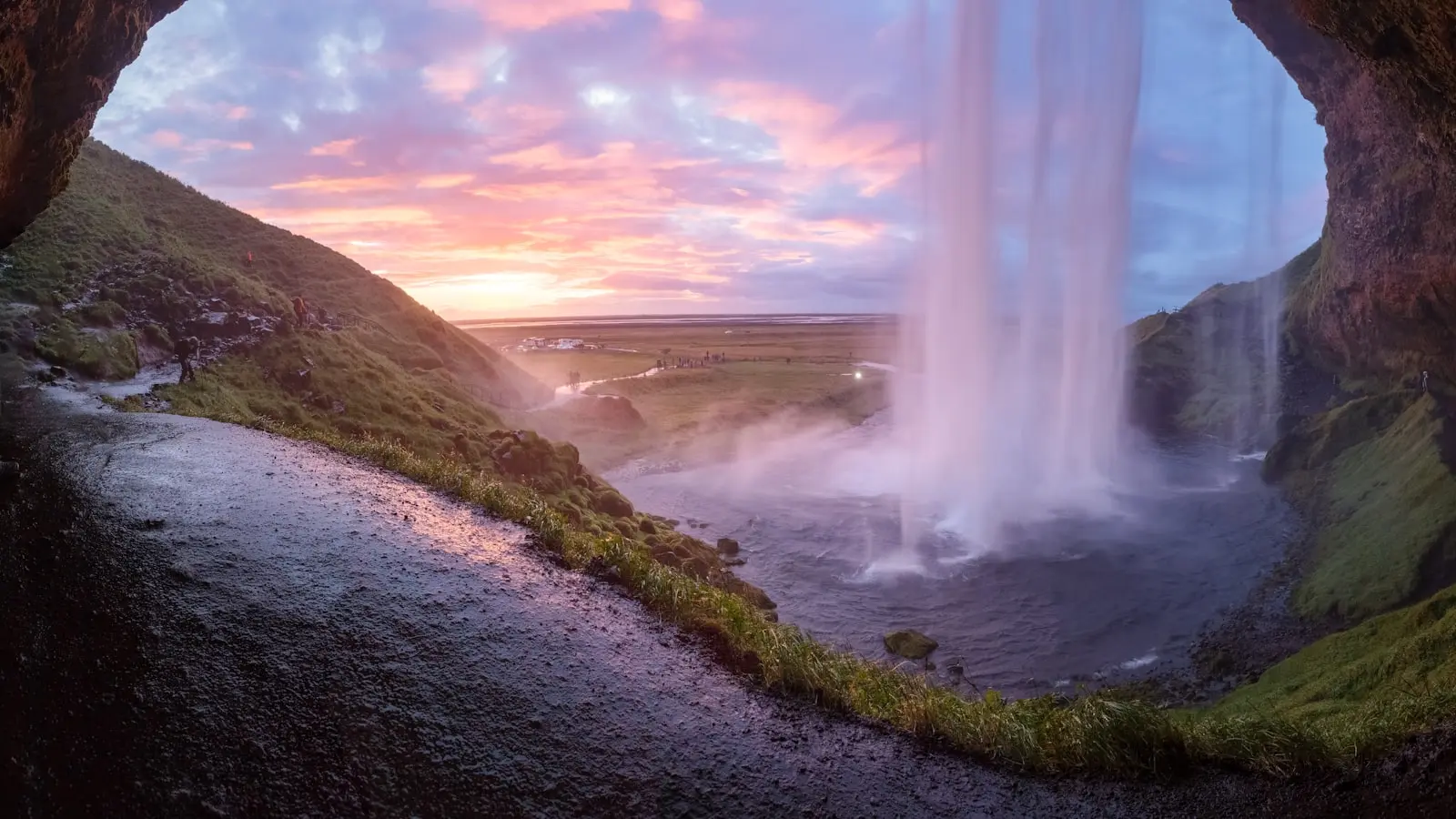
A one-week trip to Iceland often sparks the same question: is the price of admission worth the otherworldly views? For many travelers, the answer comes down to how much you value raw, volcanic landscapes over the more established charms of Norway, Switzerland, Scotland, or even long-haul New Zealand. The short answer is that Iceland delivers a geological spectacle you cannot find anywhere else in Europe, but it also demands a higher budget and more flexible planning. Below, we break down the cost, the uniqueness, the practicalities, and the experiences so you can decide where your next week belongs.
Key Takeaways:
- Iceland offers unparalleled volcanic and glacial landscapes but is among the most expensive European destinations.
- Daily costs in Iceland are comparable to Norway and Switzerland; Scotland is notably cheaper.
- Summer provides the best access but higher prices; winter cuts costs but limits daylight and activities.
- Self-driving the Ring Road is the best way to explore, but weather and limited accommodation require advance planning.
- For raw nature and photography, Iceland is unmatched; for cultural depth and better value, Scotland or Switzerland may be better.
The Price Tag: How Iceland’s Daily Costs Compare to Norway, Switzerland, and Scotland
Iceland has long held a reputation as one of the most expensive countries in Europe, but the gap has narrowed in recent years. A modest cooling in tourism demand, along with improved infrastructure and lower inflation, has made Iceland more competitive, especially compared to Norway and Switzerland. Even so, a typical daily budget for a one-week trip in Iceland still hovers around a higher tier.
For accommodation, expect to pay roughly $150–$200 per night for a mid-range guesthouse or hotel in summer. In Norway, similar lodging often runs $180–$220, while Switzerland can push $200–$250. Scotland offers a wider range, with many decent rooms available for $100–$150. Food costs follow a similar pattern: a simple meal in Iceland can cost $20–$30, whereas in Scotland you might spend $15–$20 for the same quality. Groceries in Iceland are notably higher due to import dependency.
Transportation is where Iceland’s size and limited public transit really hit the wallet. Car rental and fuel for a week on the Ring Road can easily exceed $100 per day. Norway’s fjord routes also require a car, but fuel prices are comparable, and Switzerland’s excellent rail system can actually lower daily transport costs if you buy a Swiss Travel Pass. Scotland is the cheapest for car rental and fuel, and buses and trains cover the Highlands reasonably well.
Flight prices from major U.S. hubs vary seasonally but are generally similar for Iceland and the other destinations. Reykjavik is a short hop from the East Coast, often cheaper than flying to Norway or Switzerland, especially during shoulder seasons. However, once you land, the cost of being there adds up fast.
Overall, a one-week trip to Iceland can run $2,500–$3,500 per person for mid-range travel, depending on the season. Norway and Switzerland fall in a similar bracket, while Scotland often comes in $500–$1,000 cheaper. The trade-off is that you pay for a landscape that feels like another planet.
Unique Natural Wonders: What Only Iceland Can Offer
Iceland’s geology is genuinely unmatched in Europe. You can see active volcanoes, sprawling glaciers, erupting geysers, black sand beaches, ice caves, and lunar-like lava fields all within a day’s drive. No other European destination packs this variety of raw, tectonic activity into such a compact area.
Norway’s fjords are majestic and deeply carved, but they lack the volcanic and geothermal features that define Iceland. Switzerland’s Alps are breathtaking and manicured, with cable cars and mountain railways that make them accessible, but they feel more like a curated postcard than a primal landscape. Scotland’s Highlands offer moody glens and dramatic coastlines, yet the geology is older and less varied. New Zealand, while a long-haul alternative, does rival Iceland for dramatic volcanic and glacial scenery, but for a one-week Europe trip, Iceland wins on proximity and intensity.
For photographers and bucket-list seekers, Iceland delivers sights you simply cannot replicate: walking between tectonic plates at Thingvellir, standing under the thundering Skógafoss, or walking on a glacier tongue. The question is whether these experiences justify the higher costs and the sometimes unpredictable weather.
Accessibility and Practicalities: Driving, Language, and Infrastructure
Self-driving is the most practical way to see Iceland in a week. The Ring Road is paved and well-maintained, but weather can close sections even in summer. Norway’s scenic roads are similarly winding but more developed, and the country has a denser network of accommodations. Switzerland’s rail system is world-class, making it easy to hop between Alpine towns without a car. Scotland’s roads range from motorways to single-track lanes, but the driving culture is straightforward.
English is widely spoken in all four destinations, so language barriers are minimal. However, Iceland’s limited accommodation density means you need to book well in advance during peak summer months, whereas Switzerland and Scotland offer more flexibility.
Seasonal weather is a major differentiator. Summer (June–August) in Iceland brings the midnight sun and full road access, but also crowds. Winter (November–March) slashes costs but limits daylight to 4–5 hours and closes many mountain roads. Norway and Switzerland have similarly short winter days, but their ski infrastructure keeps activities available. Scotland’s weather is famously fickle but rarely extreme, and you can visit year-round with fewer itinerary disruptions.
Activities and Experiences: Outdoor Adventure vs. Cultural Depth
Iceland’s signature activities revolve around its geology: glacier hiking, ice caving, snorkeling between tectonic plates at Silfra, and whale watching in Húsavík. These are immersive, hands-on experiences that feel adventurous and exclusive. Norway offers fjord cruises, hiking Trolltunga, and winter Northern Lights tours. Switzerland specializes in skiing, mountain train rides (Jungfraujoch, Gornergrat), and hiking trails with hut stays. Scotland combines outdoor exploration with rich history: castle tours, whisky distilleries, and the wild Cuillins.
Culturally, Reykjavik is a small, modern city with a strong music and food scene, but it lacks the historic depth of Edinburgh (Scotland), Lucerne (Switzerland), or even Oslo’s museums. If you want to pair nature with cultural immersion, Scotland or Switzerland may offer a better balance. Iceland is primarily a nature destination, and its cultural attractions are secondary.
For the pure outdoor enthusiast, Iceland and New Zealand share top billing. But for a one-week trip from the U.S. or Europe, Iceland’s short flight time gives it an edge over New Zealand.
Decision Framework: Which Destination Fits Your Travel Profile?
Consider your priorities:
- Budget-conscious travelers: Scotland wins. You get dramatic scenery, historical cities, and fewer crowds for significantly less money.
- Moderate splurge, want raw nature: Iceland or Norway. Iceland offers more geological variety; Norway has deeper fjords and better cultural infrastructure.
- Manicured beauty and ease of travel: Switzerland excels. The trains, the clean towns, and the well-marked trails make it a stress-free premium experience.
- Ultimate adventure photo trip: Iceland, especially if you can handle the elements and the cost. For similar scale but longer travel time, New Zealand is the alternative.
- Time of year: Summer works best for Iceland and Norway; shoulder seasons (May/September) offer better value in Switzerland and Scotland. Winter in Iceland is cheaper but very limiting.
Iceland’s extraordinary geology is truly one-of-a-kind in Europe, and for many travelers, that justifies the high price. But if your idea of a good week includes wandering historic streets, enjoying a pint in a cozy pub, or gliding through alpine meadows on a cogwheel train, then Switzerland or Scotland might deliver a richer overall experience for less.
Frequently Asked Questions
Is Iceland really more expensive than Norway or Switzerland?
It can be, but the gap is narrowing. Recent cost-of-travel indices show that Iceland’s accommodation and some services now fall slightly below Norway and Switzerland in certain categories, especially during winter. Overall, all three are premium destinations, and you should expect to spend $250–$350 per day per person for mid-range travel. Scotland remains clearly cheaper.
What is the best time for a one-week Iceland trip?
June through August offers the best weather, longest daylight (midnight sun), and full access to the Ring Road and highland roads. The trade-off is peak crowds and highest prices. November through March can cut costs by 20–30%, but you will face limited daylight, possible road closures, and fewer activity options like ice caves (which are only accessible in winter). Shoulder months (May and September) balance good weather with lower prices and thinner crowds.
How does Iceland’s landscape compare to Scotland’s?
Both have dramatic coastlines, waterfalls, and rugged highlands. The key difference is geology: Iceland sits atop a volcanic hotspot, offering geysers, lava fields, black sand beaches, glaciers, and ice caves. Scotland’s landscape is older and more eroded, with a deep layer of human history, castles, and cultural sites. If you prioritize otherworldly geology, choose Iceland. If you want a mix of nature and heritage, Scotland is the smarter pick.