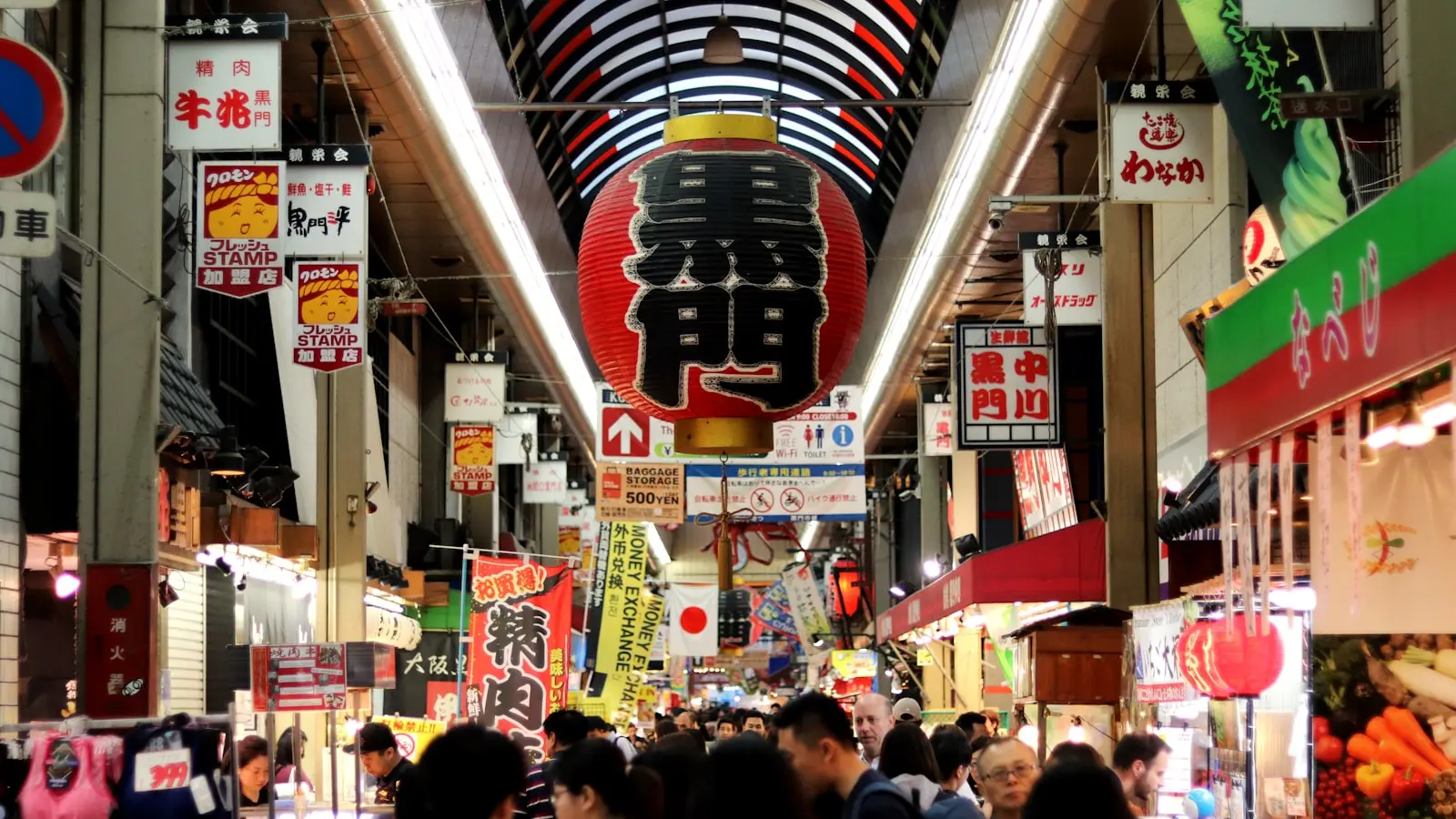
First-time travelers to Asia often arrive with unrealistic expectations shaped by movies, news headlines, or secondhand stories. Some imagine a continent that is impossibly cheap and chaotic; others picture a place that is dangerous or too foreign to navigate. The truth falls somewhere in between. Understanding the most common Asia travel misconceptions before you go can save you from unnecessary anxiety and help you travel with more confidence.
Key Takeaways
- Costs vary widely: Asia is not uniformly cheap or expensive; research your specific destinations.
- Street food is safe when you choose busy stalls where food is cooked to order.
- Many Asian cities have lower violent crime rates than Western counterparts, making solo travel feasible with standard precautions.
- Language barriers are manageable; a few basic phrases and a translation app go a long way.
- Asia is immensely diverse; treat each country as a unique destination, not a monolith.
This article walks through five persistent myths about traveling in Asia. Each one contains a kernel of truth, but the reality is more nuanced. You will learn where these ideas come from, what the actual trade-offs are, and how to adjust your expectations for a smoother trip.
Cost: The “Cheap Asia” Myth
Many people assume that all of Asia is dirt cheap. A budget of 20 dollars a day can get you far in parts of Laos or rural Vietnam, but that same amount will barely cover a hostel bed in Tokyo or Singapore. The myth that every destination costs pennies comes from backpacker stories focused on Southeast Asia. Conversely, some travelers believe Japan or South Korea are prohibitively expensive, which also is not entirely accurate.
The reality is that costs vary enormously by country and even within countries. A night in a capsule hotel in Tokyo may cost as much as a week in a guesthouse in Nepal. Street food in Bangkok is a steal, while a sit-down dinner in Hong Kong can rival New York prices. The key is to research the specific places you plan to visit. Use cost-of-living comparison websites to get a rough daily budget for accommodation, food, transport, and activities. A trip that mixes budget-friendly destinations with pricier ones can be balanced if you plan ahead.
Street Food: The “You’ll Get Sick” Myth
There is a widespread belief that eating from street stalls in Asia guarantees a bout of food poisoning. Horror stories about dodgy meat and unwashed vegetables circulate in travel warnings and anecdotal accounts. It is true that some stalls have poor hygiene, and travelers with sensitive stomachs can run into trouble. But the fear is often overblown.
Street food is a daily ritual for millions of locals, and many stalls serve food that is cooked fresh to order. The key is to choose wisely. Look for stalls with a high turnover of customers—places where locals are queuing up. Watch for food that is cooked in front of you, not sitting out for hours. Avoid raw items like salads or uncooked seafood if you are uncertain. Your own senses are a good guide: if the stall smells off or looks dirty, move on. Many travelers report eating street food for weeks without any issue when they follow these simple precautions. The reward is some of the most flavorful, affordable meals you will ever have.
Safety: The “Dangerous for Solo Travelers” Myth
Another common myth about traveling in Asia is that it is unsafe, especially for solo female travelers. News reports about pickpocketing in crowded markets or rare violent incidents can paint an alarming picture. Some travelers worry about being scammed or harassed. The reality is that many Asian cities have lower violent crime rates than their Western counterparts. Countries like Japan, Singapore, and Taiwan are consistently ranked among the safest in the world. Even in places where petty theft is more common, like parts of Thailand or Vietnam, smart precautions go a long way.
Solo female travelers often report feeling safer in Asian countries than they do at home. The key is to use common sense: avoid poorly lit areas at night, keep valuables secure, stay in reputable accommodations, and trust your instincts. Scams exist, but they are usually easy to spot—someone offering an impossibly cheap tour, a tuk-tuk driver who wants to take you to a shop. Simply say no and walk away. Anxiety about safety should not keep you from experiencing the region. Thousands of solo travelers explore Asia each year without incident.
Language and Culture: The “Too Difficult to Navigate” Myth
Many first-time travelers worry that the language barrier will be overwhelming. They imagine being lost in a city where nobody speaks English and menus are indecipherable. While it is true that English is not widely spoken outside of tourist hubs, you can get by with a little effort. In major cities and popular tourist areas, signs are often bilingual, and staff at hotels, restaurants, and transport hubs may speak enough English to help. Translation apps on your phone can be a lifesaver.
Cultural norms are another source of anxiety. Lists of taboo behaviors circulate—do not point with your feet, do not touch someone’s head, do not show the soles of your shoes. While these customs are real, locals are generally forgiving of foreigners who make honest mistakes. The most important thing is to show respect: dress modestly when visiting temples, remove your shoes when entering homes, and greet people with a slight bow or nod. Learn a few basic phrases like “hello,” “thank you,” and “sorry.” A simple smile and an attempt to speak the local language go a long way. The fear of inadvertently offending someone is usually much worse than the reality.
Diversity: The “Asia Is a Monolith” Myth
Perhaps the most fundamental Asia travel misconception is that the entire continent is similar. You will hear people say, “Asia is crowded,” or “Asian food is spicy,” as if the same description fits India, China, Mongolia, and the Philippines. Asia contains 48 countries with vastly different languages, religions, cuisines, and development levels. A trip to Thailand’s beaches is nothing like a trip to Japan’s high-speed trains, which is nothing like a trek in Nepal’s Himalayas.
Treat each country as a unique destination. The chaos of Hanoi’s traffic has no parallel in orderly Kyoto. The spice level of Thai curries is different from the mild flavors of Japanese cuisine. Even within a single country, you can find massive differences between rural villages and modern megacities. Do not assume that your experience in one Asian country will prepare you for another. Approach each place with fresh curiosity, and you will be rewarded with richer travel experiences.
FAQ
Q: Is it safe to eat street food in Asia? A: Generally yes, if you choose stalls with high customer turnover and observe basic hygiene. Food cooked to order in front of you is usually safe. Trust your eyes and nose—if something looks off, skip it.
Q: Do I need to speak the local language to travel in Asia? A: No. English is common in tourist areas, but learning a few words like “hello” and “thank you” shows respect and makes interactions smoother. A translation app helps with menus and directions.
Q: Is solo female travel in Asia dangerous? A: Many solo female travelers report feeling safe, especially in countries like Japan, Thailand, and Nepal. Standard safety precautions apply: stay aware, avoid risky areas at night, and trust your instincts. Petty theft is the most common concern, not violent crime.
Realistic Expectations Checklist
- Budget for your specific destination—do not assume a single daily number fits all of Asia.
- Try street food, but pick busy stalls where food is cooked to order.
- Register with your embassy’s travel advisory service for safety updates.
- Learn a few local phrases; download a translation app.
- Respect cultural norms: dress modestly at temples, remove shoes when asked, avoid public displays of affection where inappropriate.
- Expect diversity—do not compare Nepal to Singapore or Thailand to Japan. Each country offers a distinct experience.
Understanding these common myths about traveling in Asia helps you prepare mentally and practically. The region is not as intimidating as some portray, nor is it a single cheap paradise. With realistic expectations, you can navigate the differences with confidence and enjoy the incredible variety that Asia offers.