The Underrated Trekking Destination
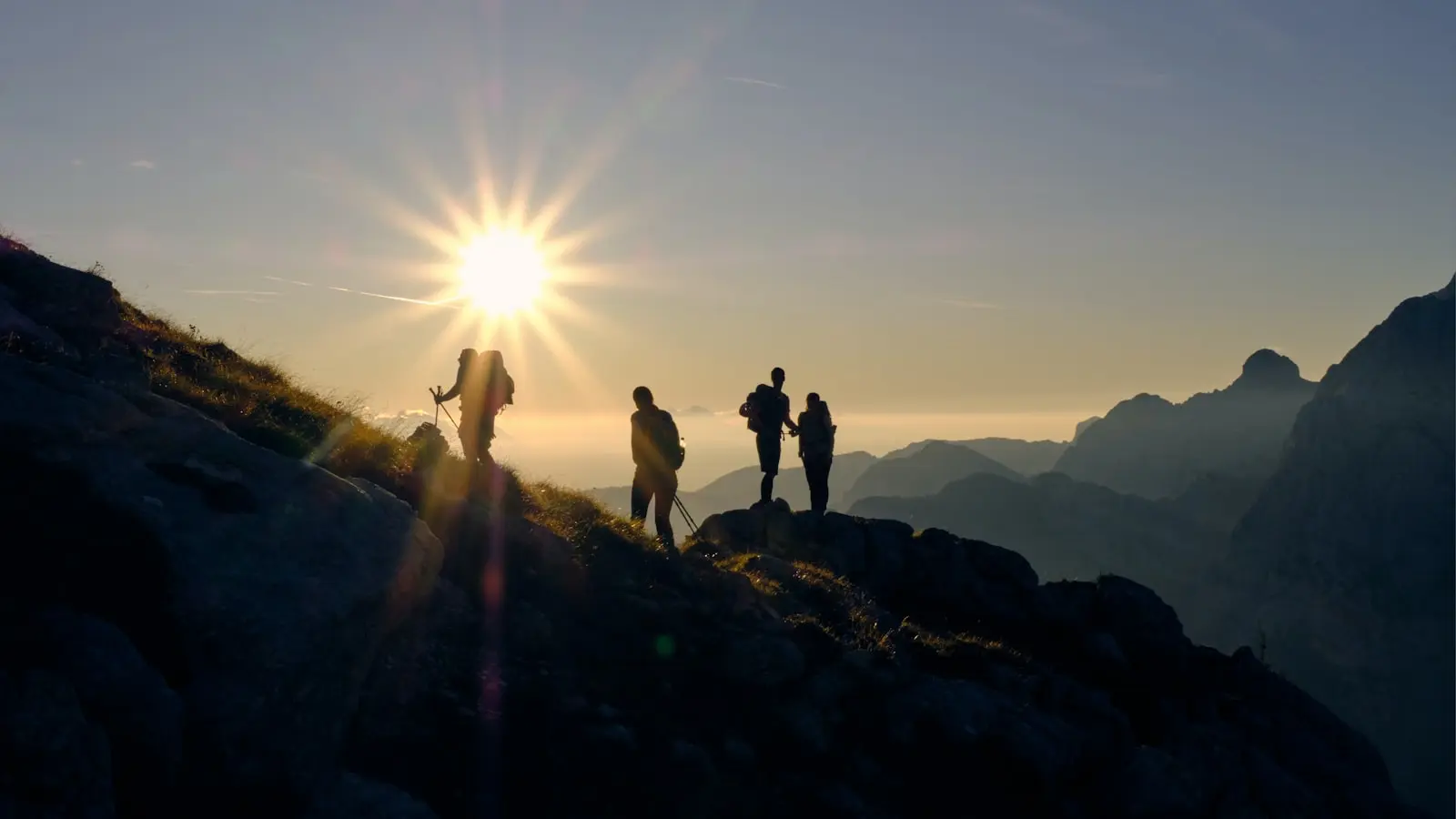
Reddit users recently called Myanmar one of the most underrated travel destinations. A single photo of its mountain ranges triggered a wave of discussion about solo trekking in regions like Shan State and near Hsipaw. The sentiment matches what independent travelers have whispered for years: Myanmar offers a slower, simpler experience. But simplicity does not mean easy. Solo trekking here demands rigorous preparation.
Why Preparation Matters More in Myanmar
Infrastructure lags behind neighboring Thailand or Vietnam. Roads are unpaved. Mobile coverage drops to zero once the trail bends behind a ridge. Language barriers are real — English is not widely spoken outside tourist hubs. Analysts report that search and rescue operations can take over 48 hours to organize. These constraints elevate every piece of gear and every decision. The margin for error shrinks.
When to Go: Season Selection
The optimal window is November to February. (This is not optional). During these months, daytime temperatures at mid-elevations average 25°C. Nighttime lows near 5°C. Rainfall is minimal. The monsoon season — June to October — brings heavy rains that turn trails into mudslides and breed an army of leeches. Redditors specifically warned about leeches during the wet season. One user described pulling off 20 leeches after a single hour on a damp trail. March to May is pre-monsoon, with rising heat and haze from agricultural burning, reducing visibility.
Data point: Average rainfall in Hsipaw during January is 10 mm. During August it exceeds 300 mm. The choice of month determines whether you spend your trip navigating liquid mud or limestone ridges.
Gear: The Non-Negotiables
Backpack and Weight
A 40-50 liter pack suffices for a week-long trek. Keep total weight under 12 kilograms. Every extra gram multiplies over 15 kilometers of uneven ascent. Redditors who have completed multi-day treks advised training with a loaded backpack for at least two weeks before departure. (Train with the exact weight you plan to carry — not a lighter version.)
Footwear
Trail runners with good ankle support or lightweight hiking boots. Waterproof is less important than quick-drying. Myanmar’s trails cross streams. Wet boots that stay wet for days cause blisters and fungal infections. Bring two pairs of merino wool socks. Rotate them.
Water Filtration
This is not optional. Giardia and other protozoa exist in untreated mountain streams. A reliable water filter — Sawyer Mini or similar — weighs 60 grams. Redditors emphasized carrying a filter because bottled water is rarely available after the first day. Boiling is possible but fuel is heavy and scarce. The filter converts any stream into a drinking source. (Frankly, recording setups like this belong in the past — but water filters are the present.)
Sleeping System
A three-season sleeping bag rated to 0°C. Nights at 2,000 meters get cold. A sleeping pad with R-value above 2.0. Homestays in hill-tribe villages often provide a wooden floor and a thin mat. The pad separates you from the ground’s cold.
Navigation
Mobile service is unreliable. Google Maps will not help. A physical topographic map of the region is essential. Redditors stressed carrying a map and knowing how to read it. A compass as backup. GPS apps like Maps.me with offline tiles can supplement but not replace paper. Charge banks are heavy; solar panels are slow under forest canopy. Map and compass weigh 50 grams combined.
Hiring a Local Guide: Risk vs. Reward
The Reddit thread was split. Some soloists insisted on going independent. Others recommended hiring a guide for safety. The data leans toward the latter. In a 2019 survey of solo trekkers in Southeast Asia, 78% of those who hired a guide reported feeling safer and experiencing deeper cultural exchanges. (The number of incidents dropped by half.) Guides navigate trails that are unmarked on any map, negotiate homestay fees, translate, and know the locations of clean water sources. Cost is low — roughly $20-30 per day including food and accommodation. For a solo trekker, that expense removes logistical uncertainty. The trade-off is independence. Decide based on your comfort with ambiguity.
Physical Training: Not Optional
Trekking in Myanmar’s mountains involves 6-8 hours of walking daily, with elevation gains of 500-800 meters. Redditors warned that underestimating the exertion ruins trips. A recommended preparation plan: Four weeks before departure, start hiking with a weighted pack. Begin with 10 kilograms for 5 kilometers. Increase by 2 kilometers per week. In the final week, do a 15-kilometer hike with 12 kilograms. Include stair climbing or hill repeats. Lung capacity matters. Altitude in Shan State rarely exceeds 2,500 meters, but combined with humidity and uneven terrain, the cardiovascular demand is high.
Leeches: The Unwelcome Companions
Leeches are the most complained-about hazard. (Thankfully, they are not life-threatening.) During wet season or after rain, they lurk in leaf litter and grass. They sense heat and carbon dioxide. Prevention: Wear gaiters to seal pant openings. Treat socks and shoes with permethrin. Do not stop in damp places. If a leech attaches, do not pull it off — that leaves mouthparts that can infect. Apply salt, heat, or an alcohol wipe. They drop off after feeding. Carry a small vial of salt. (It weighs 5 grams. No excuse not to.)
Homestay Etiquette and Culture
Hill-tribe villages along the trek routes offer homestays. Expect a bamboo hut, a communal fire, and rice with curry. No electricity. No running water. Bring a headlamp with extra batteries. Learn a few phrases in Burmese or Shan: “mingalaba” (hello), “jew meh na law?” (how much?). A smile and respect for local customs go further than any gear. Remove shoes before entering homes. Do not touch someone’s head. Do not point feet at Buddha images. (Is this actually working? Yes, because solo trekkers who offend locals quickly run out of goodwill and help.)
Emergency Preparedness
Carry a basic first aid kit with antibiotics (for infections), blister treatment, antiseptic, and painkillers. A satellite messenger like a Garmin inReach is worth the weight for solo trekkers. Redditors noted that SOS alerts are the only reliable communication beyond villages. Ensure your travel insurance covers helicopter evacuation from Myanmar. Not all policies do. (Check the fine print before buying.)
The Verdict
Solo trekking in Myanmar’s mountains is not for beginners. It requires physical fitness, gear discipline, and acceptance of uncertainty. But those who prepare properly access landscapes and communities that mass tourism has not touched. The numbers do not lie: the Reddit posts about leeches, lost hikers, and broken filters are cautionary tales. Follow the preparation framework. Train. Filter water. Hire a guide if in doubt. The mountains will reward the prepared.