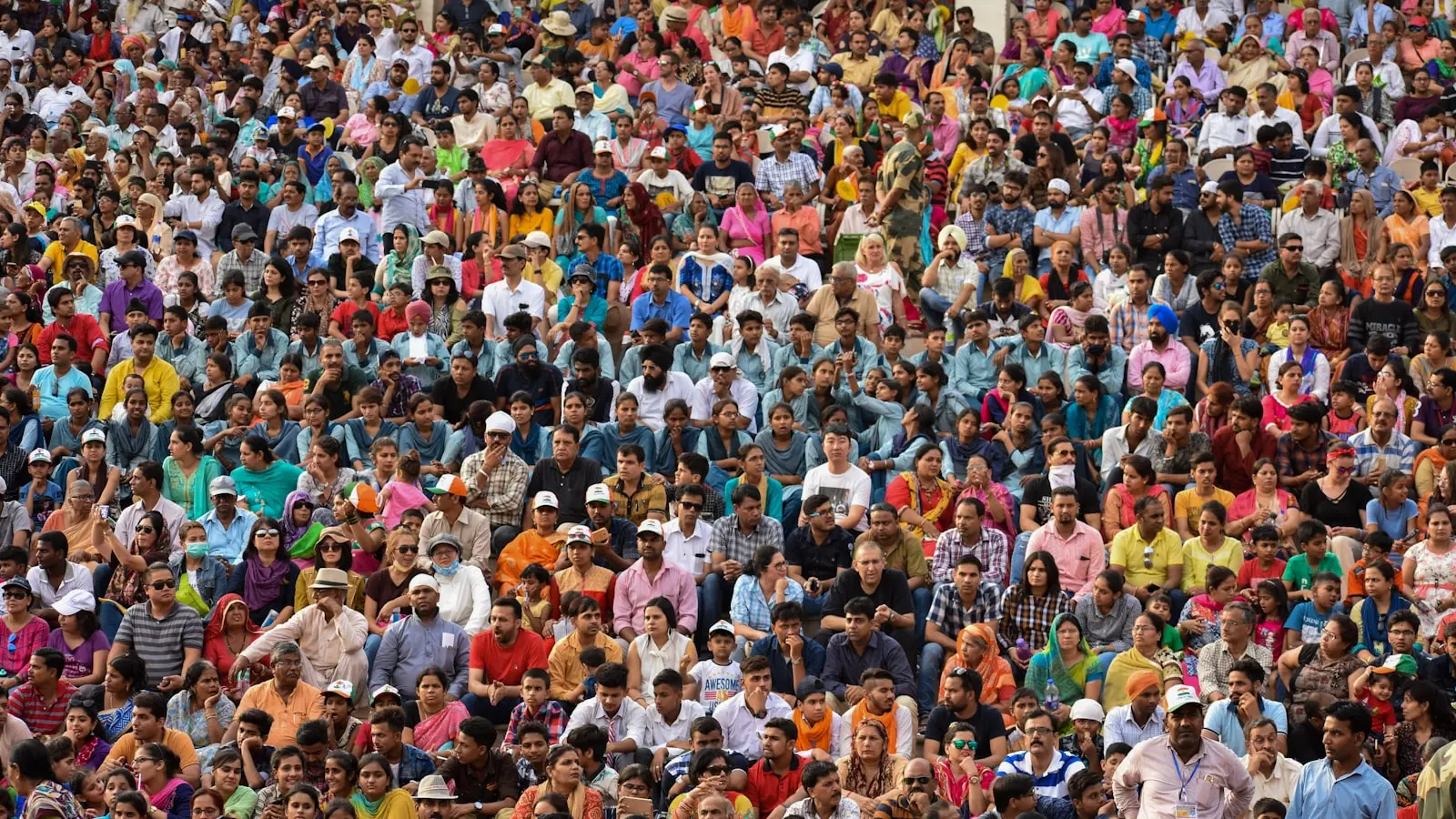
The short answer: choose sports with naturally smaller fan bases, attend weekday or early-round matches, and seek out niche competitions. The trade-off is that you sacrifice some of the spectacle of a packed stadium, but you gain easier access, lower costs, and a more relaxed, intimate atmosphere. This guide lays out the strategies that make uncrowded sports travel both practical and rewarding. The challenge is not finding great sports to watch, but knowing where and when to look. With a little research, you can build a memorable trip around live action that feels personal rather than overwhelming.
Key Takeaways
- Minor league baseball, lower-division soccer, and women’s sports reliably draw modest crowds.
- Weekday games and early tournament rounds drastically reduce attendance at major events.
- Smaller venues often provide better views, shorter lines, and lower overall costs.
- Attending training sessions or qualifying rounds is a low-cost way to see elite athletes.
Identify Sports and Leagues That Naturally Attract Smaller Crowds
Not all sports draw tens of thousands. Minor league baseball in the United States, for example, typically sees crowds of a few thousand, and tickets are inexpensive. Lower-division soccer leagues such as Germany’s Bundesliga 2, England’s League One, or Spain’s Segunda División offer competitive football without the massive demand of top-tier matches. Women’s sports, including women’s soccer, basketball, and rugby, often have passionate but smaller audiences. Rugby league, European handball, and indoor volleyball are other options. These events give you a genuine sports experience with shorter lines, better sightlines, and a community feel. For the traveler seeking uncrowded sports travel, these leagues are a reliable starting point. Additionally, consider niche competitions like darts tournaments, college basketball early-season games, or local cricket matches abroad. The variety ensures you can always find something that fits your interests and schedule.
Time Your Visit Strategically: Off-Peak and Creative Scheduling
When attending a major event, timing is everything. Weekday games at almost any level draw smaller crowds than weekend fixtures. Early rounds of tournaments—such as the FA Cup or Grand Slam tennis qualifying—feature elite athletes but far fewer spectators. Off-season training camps and preseason friendlies allow you to see teams up close without the full match-day frenzy. Major League Baseball’s long season (April through September) is especially flexible; you can build a trip around any team and pick a Tuesday afternoon game for a near-empty ballpark. Using this kind of flexible scheduling is a core tactic for avoiding crowds at stadiums while still enjoying top-level play. Also consider visiting during the shoulder season for the sport itself—for example, early fall or late spring for European football leagues when fixtures are less frequent and demand lower.
Discover Lesser-Known Events and Local Gems
Finding underrated events takes a little research but pays off. Local sports calendars on team websites, ticket resale platforms, and city tourism boards are good sources. A college football game in the United States, for example, can rival the atmosphere of a pro game but often costs less and feels more accessible. A women’s World Cup qualifier or a European handball match in a smaller city offers a genuine cultural experience. Booking flights from regional airports can also help: they are less congested and sometimes cheaper, especially if you avoid major hubs. These quiet sports destinations are exactly what the uncrowded sports travel approach is built on. Another tactic is to look for events that are not heavily marketed—local derbies in lower divisions, preseason tournaments, or exhibition matches often fly under the radar but still deliver high-quality competition.
Navigate Ticketing and Accommodation Smartly
Ticket resale platforms let you see which sections are still open; buying closer to game time often reveals prices below face value for less popular events. Avoid the temptation to buy the cheapest seat in a huge venue—instead, choose a smaller venue where any seat offers a good view. Accommodation near smaller stadiums tends to be cheaper and more authentic. Instead of a chain hotel beside a giant arena, you might find a local guesthouse within walking distance of a minor league park. The budget benefits are real: lower ticket prices, cheaper food and drink, and minimal parking fees. For the cost-conscious fan, small league travel is a clear winner. Additionally, consider booking accommodation that offers flexibility to change dates if you decide to switch games, and always check whether the venue has public transport options to avoid parking hassles.
Safety, Atmosphere, and the Overall Experience
Smaller venues do more than save money. Lower crowd density means shorter security lines, easier exit routes, and a calmer environment. This can be especially appealing for families or anyone who feels anxious in packed stadiums. The atmosphere at these events is often more engaging: you can hear players communicating, see interactions with fans, and feel part of the action. A great sports experience does not require the biggest event. Many travelers find that a Tuesday night minor league baseball game or a lower-division soccer match leaves a stronger, more personal memory than a mega-match with 70,000 strangers. The intimacy also allows for closer interaction with local fans, making the trip feel more immersive and authentic.
Frequently Asked Questions
What are the best sports to watch without large crowds? Minor league baseball, lower-division soccer, women’s sports, rugby league, European handball, and indoor volleyball are excellent choices. They offer competitive play with manageable attendance. Also consider niche sports like Australian rules football in smaller leagues or international rugby sevens tournaments.
How can I find underrated sports events during my travels? Check local team websites, city tourism calendars, and ticket resale platforms. Look for “training open to public” or “qualifying round” events. College sports in the US are another rich source. Also search for “local derby” or “regional cup” matches, which often have lower profile but passionate crowds.
Is it safe to attend smaller sports events compared to major stadiums? Smaller venues generally have lower crowd density, which can reduce waiting times and make evacuations easier. Standard safety measures still apply, but the overall experience is often less stressful. Always check venue regulations and avoid events with known security concerns, regardless of size.