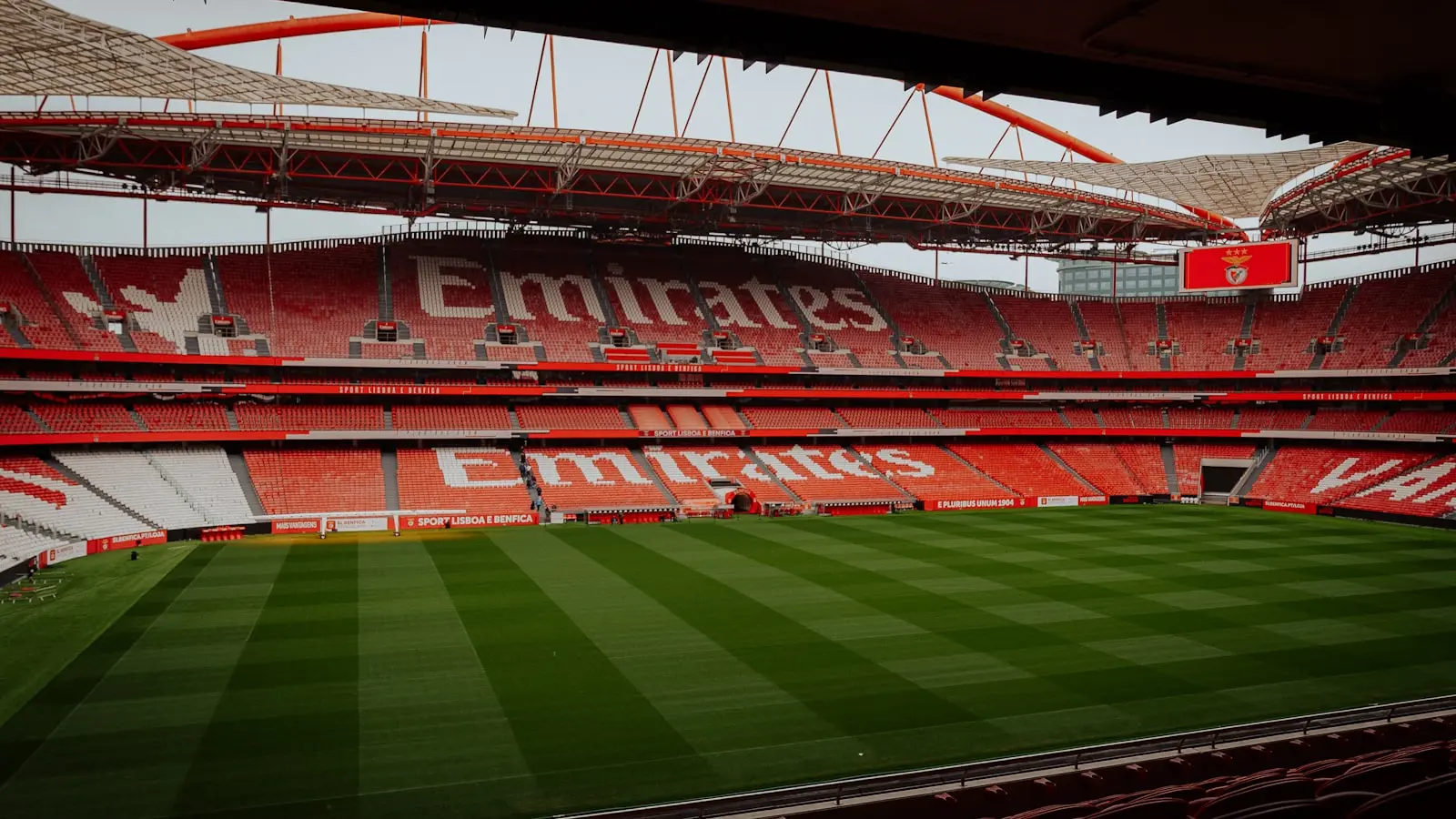
The Premier League has transitioned from a local weekend ritual into a global commodity. For the international tourist landing at Heathrow with dreams of seeing a match at the Emirates or Stamford Bridge, the experience often begins with a harsh lesson in micro-economics and gatekeeping. The reality is that the scoreboard for ticket access is heavily tilted against the casual observer. (It is not a system designed for the convenience of the tourist.)
The Membership Barrier
Unlike the American model where primary and secondary markets function with fluid, often aggressive liquidity, the Premier League operates under a closed-loop system. To buy a ticket through official channels, a fan must hold an “Official Membership.” These memberships function as a prerequisite, priced between £35 and £50. This fee does not guarantee a seat. It merely earns the right to enter a digital queue or a lottery system for specific matches. The data is clear: for marquee fixtures against “Big Six” opponents, supply is non-existent. When Arsenal hosts Manchester United, demand outstrips supply by a factor of twenty to one. A membership in this scenario is effectively a lottery ticket with odds that would make a casino manager blush.
The Hospitality Shortcut
For those unable to commit to the lottery, clubs offer a financial bypass: VIP Hospitality. These packages effectively uncouple ticket access from the restrictive membership tiers. By paying a premium—typically starting at £250 and often escalating toward £700—the fan secures a seat, stadium access, and often catering. From a tactical standpoint, this is the only “guaranteed” path for a visitor. While the price point is objectively high, it serves as the only buffer against the volatility of the primary ticketing system. (Is it a luxury experience? Certainly. Is it the only reliable method? Almost exclusively.)
The Risks of the Secondary Market
Social media and third-party ticket resale platforms present a dangerous illusion of ease. In the digital age, these channels are flooded with bad actors. Stadium security, mandated by strict UK regulations to prevent hooliganism and maintain crowd control, possesses the technological capability to flag and void tickets sold via unauthorized resale channels. If a QR code is identified as being part of an illicit transaction, it is cancelled at the turnstile. The result is simple: the money is lost, and the fan remains outside. Experienced season ticket holders are unified in their advice: avoid Twitter touts and unofficial resale sites entirely. The financial risk is total. The frustration is guaranteed.
Tactical Decision Making for the Match-Goer
If the goal is to witness a match, the approach must be strategic rather than impulsive. Here is the hierarchy of access:
- Primary Membership: The most cost-effective entry point, provided the fan is willing to gamble on availability for lower-tier fixtures.
- Hospitality Packages: The high-cost, high-certainty route. Recommended for visitors with limited windows of time who cannot risk a failed ticket attempt.
- Official Resale Platforms: Some clubs, such as Liverpool or Arsenal, maintain “Ticket Exchange” portals where members can legally sell their tickets back to other members. This is the only legitimate resale path.
The Premier League is an ecosystem defined by its scarcity. With demand for tickets reaching an all-time high, the “walk-up” culture of decades past is gone. Today, success requires an early commitment, an understanding of the club-specific gatekeeping protocols, and a healthy skepticism toward any ticket source that exists outside the official team portal. The numbers show that the gate is narrow. Planning accordingly is the only way to avoid ending up in the pub instead of the stands.