The Data from the Silk Road
Every Silk Road traveler hits a wall. Not from culture shock. From step count. The Reddit community thread on estimating walking distances across Uzbekistan’s classic quartet – Tashkent, Samarkand, Bukhara, Khiva – reveals a clear pattern: tourists chronically underestimate the physical load. The user reporting 1.5 days in Tashkent, metro stations included, and long days in Samarkand’s Registan is not an outlier. That is the baseline. And Bukhara and Khiva demand similar volume. (Expecting a leisurely stroll? Think again.) The data, though self-reported and anecdotal, converges on a daily distance of 5 to 10 miles, depending on itinerary density. The cognitive mistake? Most travelers assume walking around a historic city is like walking through a museum. It is not. Museums have flat floors, climate control, and benches. The Silk Road has cobblestones, steps, and direct sunlight. The difference is measurable in both mileage and metabolic cost.
Tashkent: The Metro Marathon
Tashkent appears modern. Wide boulevards. Soviet-era planning. But the scale tricks the eye. One day covering the city’s metro stations – each an ornate underground museum – plus the bazaars and Amir Timur Square generates a walking load analysts estimate between 4 and 6 miles. The user’s 1.5 days adds an extra half-day for rest or deeper exploration, but the first day alone packs significant distance. (The metro itself involves long corridors and endless stairs.) For a traveler arriving jet-lagged, that first day can crush momentum. The Tashkent metro alone spans 29 stations across three lines. A dedicated traveler attempting to see each station’s unique design will cover 2-3 miles underground before emerging. Then add the outdoor routes between sites. The net: an easy half-day becomes a full-day walking session. (Thankfully, the metro trains are fast and frequent, shaving off some distance.) But the overall impact? Users report that Tashkent sets the tone: if you survive Tashkent’s pavement, you can handle the rest.
Samarkand: The Registan and Its Reach
Samarkand is the core event. The Registan complex alone – three madrassas around an immense square – forces continuous movement across sun-baked paving stones. A full day at the Registan, plus the Shah-i-Zinda necropolis and the Gur-e-Amir mausoleum, multiplies the distance. Reddit reports of “long days” translate to 7-9 miles, possibly more if walking from one end of the city to the other without a taxi. (The heat accelerates fatigue, but the cobblestones are the real enemy.) Walking the equivalent of a half marathon on uneven terrain is routine. The pattern is consistent: sightseers average 2,000-3,000 steps per hour in a museum but 4,000-5,000 per hour in an open-air site like Samarkand. Over an 8-hour sightseeing day, that difference means an extra 2-3 miles. The cumulative effect over three days? An additional marathon distance. (Is this sustainable? Only with proper pacing.) The Registan alone can take 2-3 hours of nonstop walking, with the Shah-i-Zinda adding another 90 minutes of stair climbing and corridor navigation. The distances add up faster than any travel guide suggests.
Bukhara and Khiva: Comparable Demands
Bukhara’s old town sprawls. The Lyab-i Hauz complex, the Ark fortress, the Kalyan minaret – each requires shuttling between points. The Reddit consensus groups Bukhara and Khiva with Samarkand. A typical day in Bukhara pushes 6-8 miles. Khiva’s Ichan Kala walled city is compact but every monument demands full attention and walking from gate to gate adds up. (One commenter noted that “you think it’s small until you’re walking it.”) The data from the thread suggests no city in the quartet drops below 5 miles per full sightseeing day. The total for an 8-10 day itinerary often exceeds 50 miles. Bukhara’s massive Po-i-Kalyan complex, including the towering minaret, requires standing and walking across vast courtyards. Khiva’s many madrassas and mosques are spread along the main axis, but the side streets lure the curious into longer loops. (Every detour adds steps.) The consensus among experienced travelers: Bukhara and Khiva are not rest days. They are full-load days that demand the same shoe quality and hydration strategy.
Terrain and Footwear Considerations
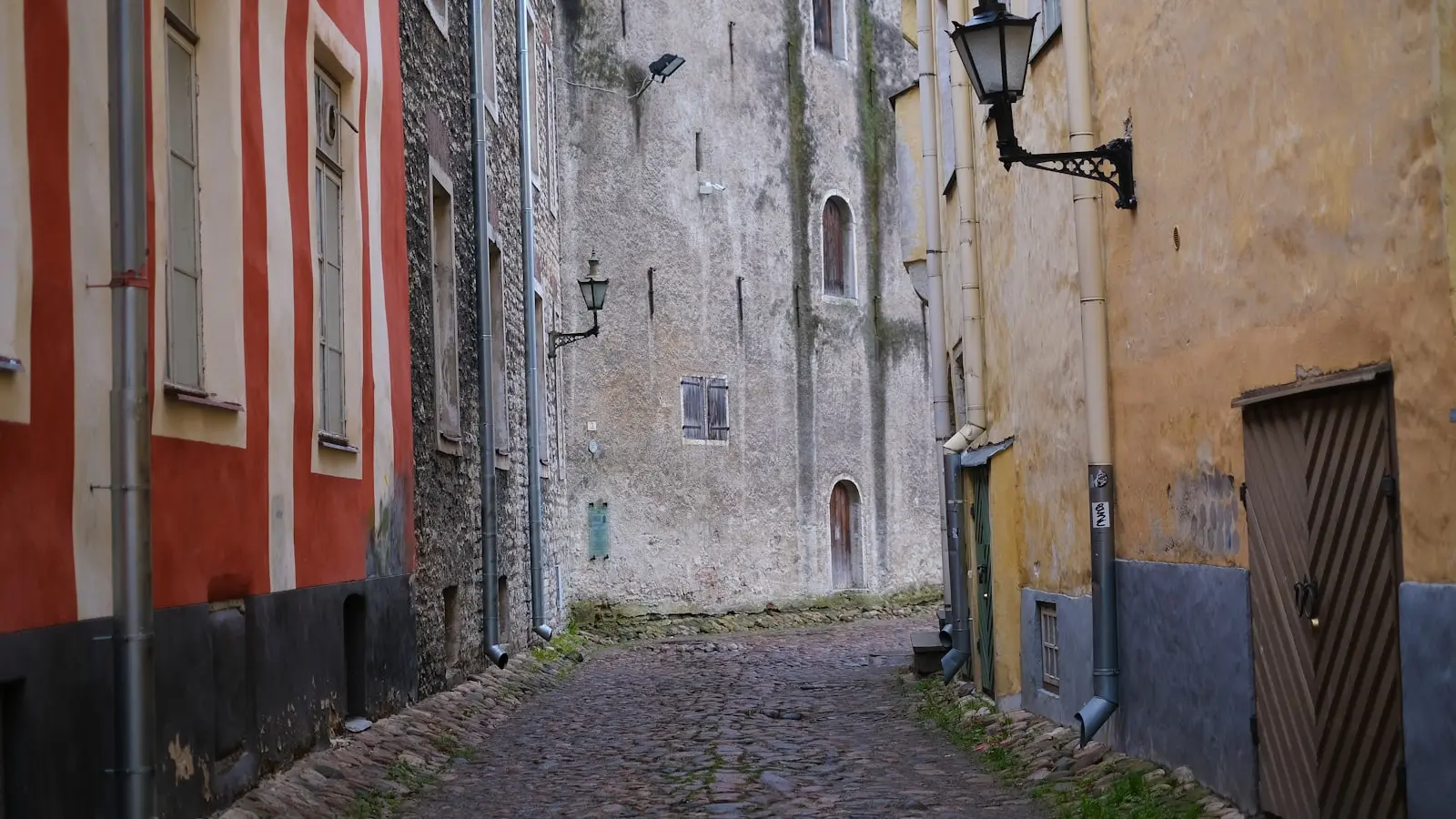
Flat pavement is rare on the Silk Road. The cobblestones of Samarkand’s Registan, the uneven bricks in Bukhara’s alleys, the gravel paths in Khiva – these surfaces increase caloric burn and joint strain. Analysts compare the walking load to trail hiking rather than urban strolling. The Reddit commenters unanimously stress comfortable shoes as non-negotiable. (One wrote: “I destroyed two pairs of sneakers.”) The pedometer suggestion is not overkill. It is psychological preparation. When the step count hits 12,000 by lunch, the reality sets in. (Thankfully, Uzbekistan’s roads offer frequent chaikhanas for tea breaks.) Footwear choice directly impacts performance. Running shoes with moderate cushioning are preferable to fashion sneakers. The extra weight of a hiking boot is unnecessary but the ankle support may prevent sprains on uneven stone. Orthotic inserts are a common recommendation from the thread. (Invest before you go.) Blisters are the leading cause of itinerary disruption. Travelers who ignore shoe advice often lose a half-day to foot care. The data from the thread shows that footwear complaints correlate with lower satisfaction scores – not from the sites, but from the pain.
Building Rest Days into the Itinerary
The Reddit thread includes multiple recommendations for built-in rest days. A common plan: after three consecutive walking days, schedule a half-day of minimal movement. The body adapts, but the cumulative load on knees and ankles grows exponentially. (Cobblestones are unforgiving.) The traveler who tries to see everything in five days will suffer. The smarter approach mirrors athletic training – active recovery. A morning at a hammam, an afternoon in a quiet park, zero major site visits. The statistical probability of injury or burnout drops when rest is structured into the schedule. The thread’s advice is backed by logic: 5 miles per day for a week is a marathon equivalent. Without a rest day, the final cities become a blur of pain. (Is it worth rushing? No.) Travelers who built rest days reported higher energy levels at the end and better retention of historical details. The numbers support the strategy: a body needs 48-72 hours to fully recover from sustained physical demand. A simple rule: for every three days of heavy walking, add one half-rest day. This extends the itinerary but preserves the experience. (Time is precious, but so are your feet.)
Heat, Hydration, and Timing
Add the Central Asian summer. Temperatures above 35 degrees C (95 degrees F) are typical from June to August. The combination of heat and walking accelerates dehydration and heat fatigue. A one-hour walk at 40 degrees C burns more fluid than a two-hour walk at 20 degrees C. (The body’s cooling system demands resources.) Reddit commenters frequently cite heat as a hidden multiplier. The smarter traveler visits major sites early morning or late afternoon. The midday hours become rest or travel time. This scheduling tactic reduces direct sun exposure and reduces walking intensity. The data from the thread: those who adjusted their schedule to avoid the noon sun reported 20% less fatigue. (Simple physics.) Hydration is not optional. A 2-liter bottle is a minimal daily intake. Electrolyte supplements are commonly recommended. (Sweat loss is significant on cobblestones.)
Conclusion: Preparing for the Physical Challenge
The Silk Road itinerary through Tashkent, Samarkand, Bukhara, and Khiva is not a museum crawl. It is an endurance event. The numbers from the Reddit analysis confirm it: 5-10 miles per day on demanding terrain. The traveler who arrives without proper footwear, without a pedometer, without rest days, will suffer. The data does not lie. Plan accordingly. (Your step counter will thank you.)