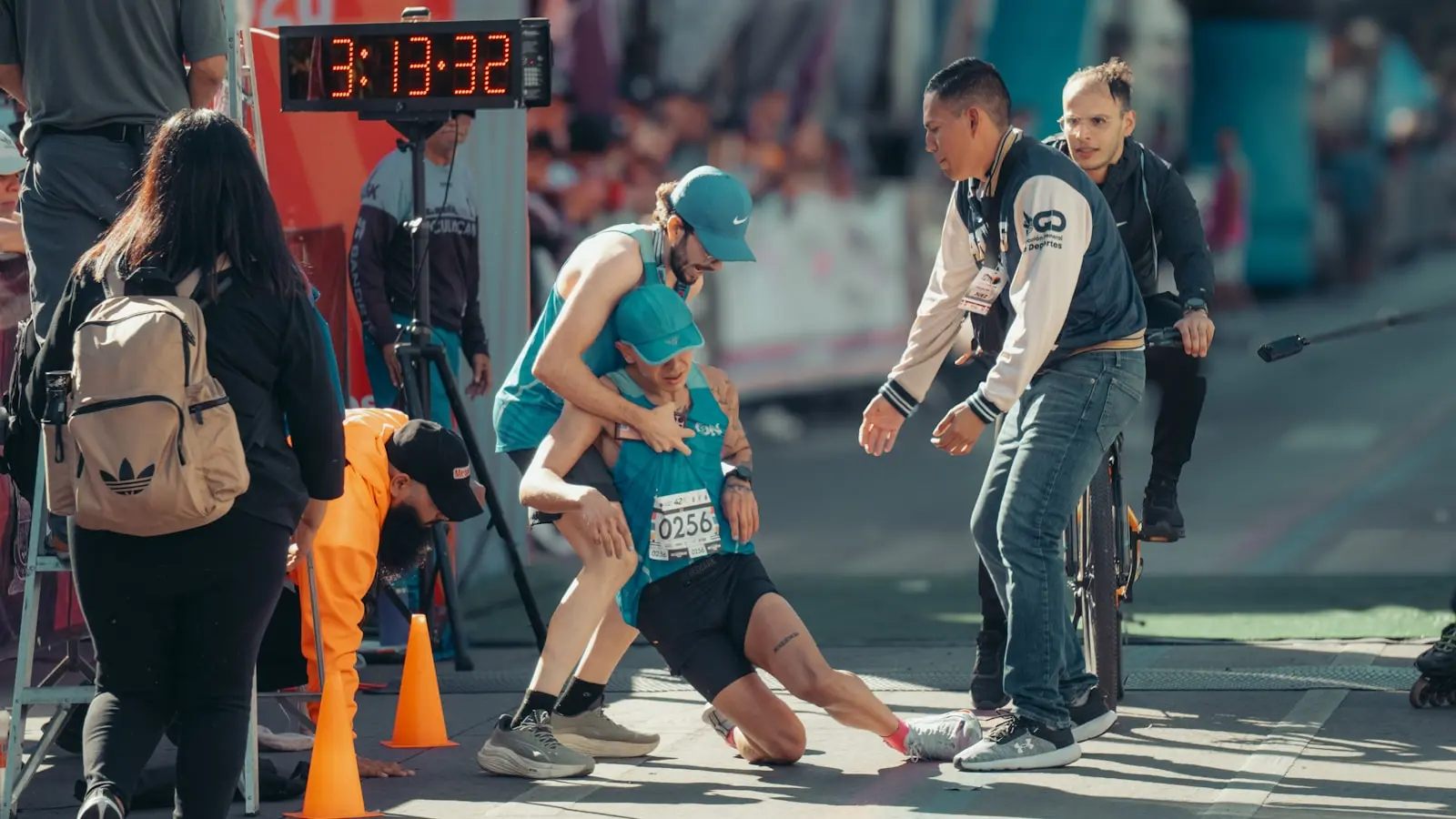
The Biological Cost of the Marathon
Long-distance running is an exercise in systemic trauma. When a marathoner crosses the finish line, they are not just exhausted; they are experiencing significant micro-tears in muscle fibers caused by prolonged eccentric loading. These repetitive impacts trigger an inflammatory cascade that defines the recovery period. According to data from the Journal of Sports Science and Medicine, without a structured intervention, athletes face a high probability of overuse injuries—such as tendonitis or stress fractures—which currently account for over 60% of time lost in professional running cycles. The math is simple: recovery is not passive. It is a performance metric in itself.
Compression and Lactate Clearance
Clinical data provides a specific blueprint for mechanical recovery. Research indicates that wearing graduated compression garments with a pressure of 20-30 mmHg for 24 hours post-race yields measurable physiological improvements. Specifically, these garments reduce delayed onset muscle soreness (DOMS) by approximately 15% and accelerate the clearance of blood lactate. (The science here is cold, hard, and consistent.) By maintaining peripheral pressure, these garments assist venous return and mitigate the edema that naturally follows extreme endurance efforts. While some athletes prioritize flashy recovery tech, the consistency of compression data suggests it remains a primary tactical asset for the post-race window.
The 45-Minute Metabolic Window
Physiological repair operates on a tight schedule. The body is most receptive to nutrient partitioning within the 45-minute post-run window. To optimize muscle protein synthesis and replenish depleted glycogen stores, a carbohydrate-to-protein ratio of 3:1 is recommended. This specific ratio leverages insulin spikes to drive glucose into the muscle cells while providing the necessary amino acids to halt catabolic muscle breakdown. Neglecting this window forces the body to scavenge its own tissue for energy, extending the recovery timeline significantly. (Consistency beats intensity every time.)
Debunking the Equipment Fallacy
Exercise physiologist Dr. Marcus Thorne notes a recurring trend among amateur circles: an over-reliance on high-cost gear to substitute for foundational recovery disciplines. The obsession with proprietary recovery boots or supplements often distracts from the core pillars of nutrition and sleep. While marketing narratives push the former, the data favors the latter. In high-engagement community threads, veterans of the sport consistently point to low-tech interventions like cold-water immersion and targeted foam rolling as the reliable gold standards. These tools are accessible, cheap, and statistically backed to manage inflammation and myofascial tension.
Structural Risks and Long-Term Durability
Ignoring the body’s recovery markers is a strategy for failure. When the inflammatory response is not managed through nutrition and compression, the integrity of connective tissue degrades. The professional running circuit proves this: the difference between an elite career and a cycle of injury is the rigorous adherence to post-effort recovery protocols.
Recovery Optimization Matrix
| Intervention | Mechanism | Expected Outcome |
|---|---|---|
| 3:1 Carb-to-Protein | Glycogen Restoration | Accelerated repair |
| 20-30 mmHg Compression | Venous Return | 15% reduction in DOMS |
| Cold Water Immersion | Vasoconstriction | Reduced inflammation |
Conclusion
The scoreboard of a marathon isn’t just the finishing time; it’s the duration of the subsequent performance gap. By treating recovery as a series of controlled inputs—nutritional timing, mechanical compression, and thermal regulation—athletes can effectively shift the recovery curve. The objective is clear: minimize the inflammatory period, maximize protein synthesis, and keep the athlete on the pavement. The body doesn’t lie. Listen to the data.