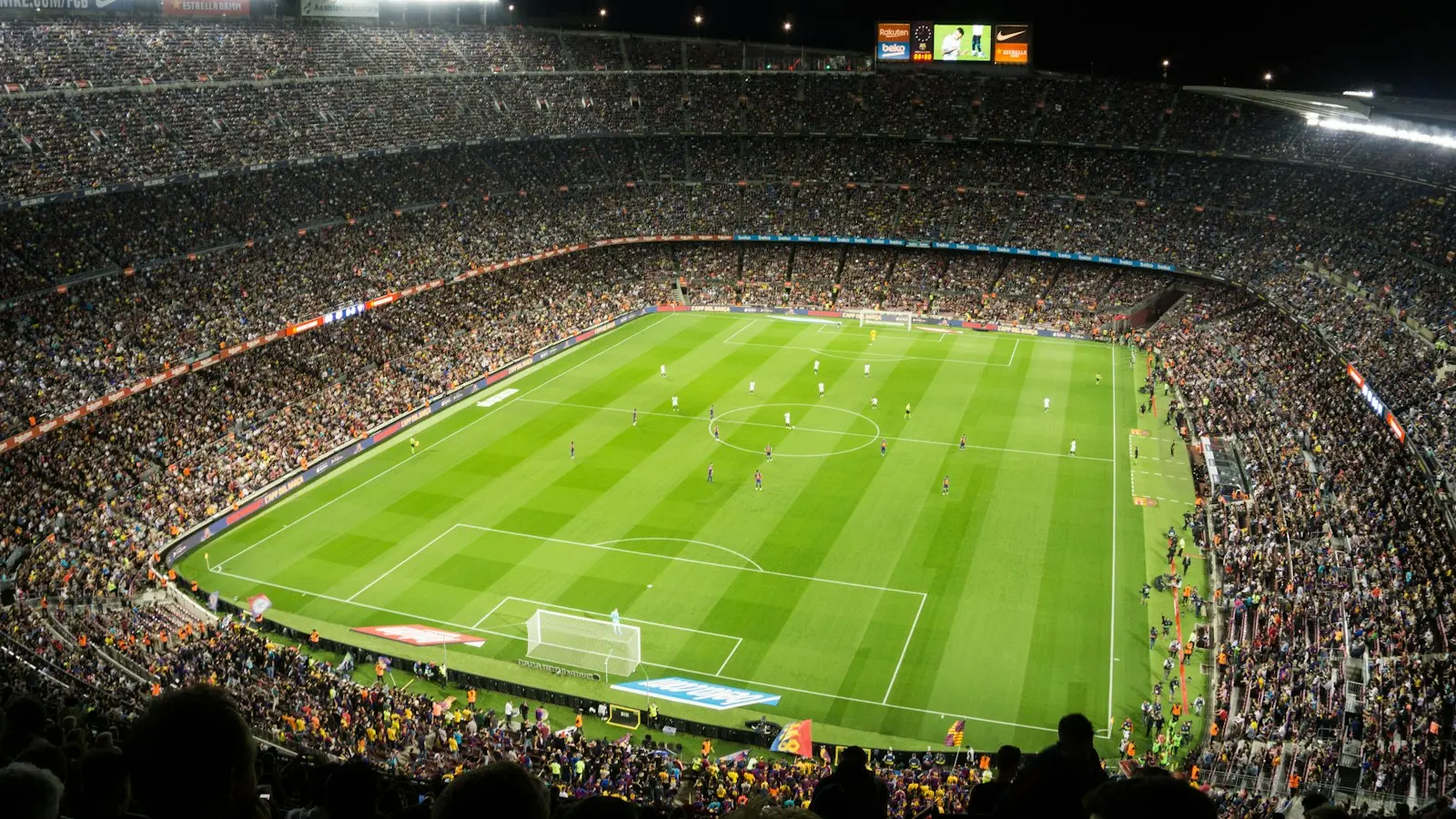
Home advantage affects travel-heavy sports teams through several overlapping factors rather than one universal cause. Travel can reduce recovery time, disrupt sleep, and complicate preparation, while the home team benefits from familiar conditions, established routines, crowd support, and sometimes a more favorable schedule. The size of the effect depends on the sport, league, venue, timing, and quality of the teams involved.
Travel is therefore one part of home advantage, not a complete explanation. A strong home record may also reflect opponent quality, injuries, roster construction, officiating conditions, or the fact that better teams tend to win more games everywhere. The useful question is not simply whether home advantage exists, but which mechanisms are visible in a particular competition.
Key Takeaways
- Home advantage is the difference between home and away performance, not a universal percentage that applies to every sport.
- Travel can affect sleep, recovery, preparation, and alertness, but distance alone does not measure the full travel burden.
- Crowd noise, venue familiarity, routines, officiating conditions, and psychological pressure can operate separately from travel fatigue.
- Home and away records should be evaluated alongside opponent strength, rest, injuries, time zones, schedule congestion, and competition format.
- Neutral-site and reduced-crowd games offer useful context, but they are not perfect experiments.
What home advantage measures—and what it does not
Home advantage usually means the difference between a team’s performance at its own venue and its performance away from home. Analysts may measure it through win rate, scoring margin, points gained, shooting efficiency, possession efficiency, error rates, or performance relative to the strength of the opposition.
A basic comparison might show that a team wins more often at home than away. That is a starting point, not a causal conclusion. A home-versus-away split does not reveal whether the difference came from travel, the crowd, the venue, the schedule, or a combination of factors.
The most useful home advantage statistics compare similar competitions and periods. A domestic league season should not be casually combined with playoff games, international fixtures, neutral-site events, or seasons played under substantially different rules. Travel arrangements, crowd restrictions, scheduling formats, and competitive incentives can all change over time.
Team strength must also be considered. If a club plays the league’s strongest opponents away and weaker opponents at home, its raw record may exaggerate the venue’s influence. A more informative analysis adjusts for opponent quality, injuries, rest, expected performance, and sometimes the location of previous games.
The same caution applies to individual matches. A poor away performance after a long trip may be consistent with sports travel fatigue, but one result cannot establish that travel caused the defeat. Larger samples and better comparisons are needed.
How travel can affect away team performance
Travel affects performance through time, recovery, sleep, and routine. A long journey can reduce the time available for training or treatment, especially when a team arrives close to competition. Even when players remain physically capable of competing, a disrupted schedule may affect alertness, preparation quality, and the ability to follow familiar pregame habits.
Distance alone is an incomplete measure of travel burden. Two trips of similar length can create different demands depending on transport arrangements, connection times, arrival hour, local traffic, accommodation, and the number of days before the game. A direct charter flight and a sequence of late connections may produce very different recovery conditions.
Time-zone changes add another layer. Jet lag in sports involves a mismatch between the body’s internal timing and the local schedule. Its possible effect depends on the direction of travel, the number of time zones crossed, the competition start time, individual adaptation, and whether the team has enough time to settle into a new routine. Crossing a time zone does not automatically produce the same performance decline for every athlete or team.
Sleep disruption may be especially relevant in sports that require repeated high-intensity actions, rapid decisions, precise coordination, or sustained concentration. A team with less time to recover may be more vulnerable late in a game, during a congested schedule, or when substitutions are limited. The practical impact varies by sport and by how effectively the organization manages the journey.
Short rest can compound the problem. A team playing again soon after an away fixture may have less time for recovery, film review, tactical preparation, and injury assessment. Travel schedule effects become difficult to isolate when travel, back-to-back games, and uneven rest occur together.
Teams can reduce some of this burden through charter travel, planned arrival times, consistent meals, recovery sessions, practice adjustments, and structured sleep routines. These measures may reduce risk, but they cannot make every trip equivalent to remaining at home. They also involve trade-offs: arriving early may allow adaptation, while arriving later may preserve familiar routines and limit time away from home.
How crowds, venues, officials, and routines shape the result
Travel fatigue is distinct from other parts of home advantage. A visiting team may be fully rested and still face problems caused by crowd noise, unfamiliar sightlines, different lighting, or a less predictable matchday routine. Conversely, a team may travel a long distance but perform well if the venue is quiet, conditions are familiar, and recovery time is generous.
Crowd noise can interfere with communication. In sports that rely on audible play calls, defensive switches, set-piece instructions, or rapid exchanges between players and coaches, a loud home crowd can make coordination more difficult for visitors. The effect is not purely emotional; it can change how information moves through the team.
Venue familiarity may help the home side anticipate conditions that visitors have experienced only briefly. Relevant details can include court or field dimensions, playing surface, lighting, weather, altitude, locker-room layout, sightlines, and the normal timing of warm-ups. These factors are usually small in isolation, but several may accumulate over a long season.
Routine is another mechanism. Home players often sleep in familiar surroundings, follow established transport routes, train in known facilities, and prepare in a setting they understand. That can reduce uncertainty and preserve mental energy. The visiting team must adapt to a different environment while also managing the journey.
Officiating is a possible component of home advantage, but it should be treated carefully. Officials may respond to crowd reactions, venue atmosphere, or the difficulty of making rapid decisions in noisy environments. That does not mean every call favors the home team or establish intentional bias. Any claim requires sport-specific analysis of decision types, game situations, referee crews, and surrounding conditions.
Psychology also matters, although it is difficult to measure cleanly. Home teams may feel greater confidence, control, or responsibility to perform in front of familiar supporters. Away teams may experience pressure, particularly when the crowd reacts strongly to mistakes or when communication becomes difficult. These responses differ between athletes and organizations, so they should not be treated as fixed properties of every venue.
Neutral-site and reduced-crowd games can provide useful comparisons. They may weaken the normal connection between team and venue, but they are not perfect experiments. Neutral games often involve different travel patterns, unusual stakes, different ticketing arrangements, or special preparation. A reduced-crowd event may change motivation and atmosphere for both teams rather than simply removing one variable.
Why the effect varies by sport, league, and schedule
The balance between travel and other mechanisms depends heavily on the sport. Leagues with frequent long-distance journeys expose athletes to more variation in time zones, arrival times, and recovery windows. Competitions with shorter routes or fewer venue changes may have a smaller travel component, even if crowd and familiarity effects remain.
Indoor and outdoor sports present different questions. Outdoor teams may face weather, wind, altitude, or surface conditions that are more familiar to the home side. Indoor teams may encounter more stable conditions but greater reliance on communication, play calling, and crowd noise. Neither environment automatically produces a larger home advantage.
Game length, substitution rules, roster size, and tactical structure matter too. A sport with rolling substitutions may allow coaches to manage fatigue differently from one with limited replacements. A long contest may expose recovery problems gradually, while a short event may place more weight on alertness and immediate decision-making.
Schedule design can overwhelm simple venue comparisons. Back-to-back games, uneven rest days, international travel, playoff formats, and compressed tournament calendars can all change away team performance. A team may appear poor on the road because it repeatedly faces difficult opponents or arrives after a demanding sequence, not because the venue itself is unusually influential.
This is why comparisons across eras can mislead. Empty-stadium periods, rule changes, altered substitution limits, new travel practices, and changing competition formats may affect home and away records. A result from one period should not be converted into a permanent league-wide rule.
The same warning applies to a strong home record. It may reflect a high-quality roster, effective coaching, favorable scheduling, or a venue that happens to host more important games. Home advantage statistics are most useful when treated as evidence to investigate rather than proof of a single mechanism.
How teams manage travel-related performance risks
Teams generally begin by mapping the full travel burden rather than looking only at mileage. Useful variables include time zones crossed, local start time, days between games, arrival hour, previous match intensity, accommodation, and the amount of practice available after arrival.
Arrival timing involves a clear trade-off. Traveling early may give athletes more time to adapt to local time and conditions. Traveling later can preserve home-based routines and reduce the period spent away from normal support systems. The better option depends on the itinerary, competition time, travel reliability, and the team’s established response to disruption.
Preparation can then be adjusted around the journey. Coaches may shorten or change training sessions, prioritize tactical communication, schedule recovery work, and rehearse ways to communicate in a loud venue. Performance staff may monitor readiness, but travel management cannot remove ordinary injury, illness, or fatigue risks.
For readers evaluating a home advantage claim, several questions are essential. Were rest days equal? How many time zones did each team cross? Did one side play a previous game elsewhere? Were the opponents comparable in strength? Was the contest part of a congested stretch, a playoff series, or an unusual neutral-site event?
The most convincing analysis combines performance data with scheduling detail. Win rate and scoring margin can show that a home-away difference exists. More detailed measures may indicate whether the difference appears in shooting, turnovers, communication errors, late-game execution, or defensive efficiency. None of these measures alone proves that travel caused the result, but together they can narrow the explanation.
FAQ
Does travel fatigue explain most of home advantage?
Not necessarily. Travel fatigue can affect recovery, sleep, preparation, and alertness, particularly after long journeys or during congested schedules. But crowd noise, venue familiarity, officiating conditions, psychological pressure, opponent quality, and rest differences may also contribute. Their relative importance changes by sport and competition.
Does crossing time zones reduce away team performance?
It can, especially when circadian timing and the local competition schedule do not align. The effect is not uniform, though. Direction of travel, number of time zones, individual adaptation, arrival timing, and recovery opportunities all matter. A time-zone crossing should be treated as a risk factor, not a guaranteed performance decline.
Which statistics best measure home advantage in travel-heavy sports?
Start with home and away win rates, scoring or points margin, and efficiency measures relevant to the sport. Then adjust the comparison for opponent strength, injuries, rest, travel exposure, and competition format. The most useful analysis also separates neutral-site games and identifies whether the same pattern appears across multiple seasons rather than relying on one sample.