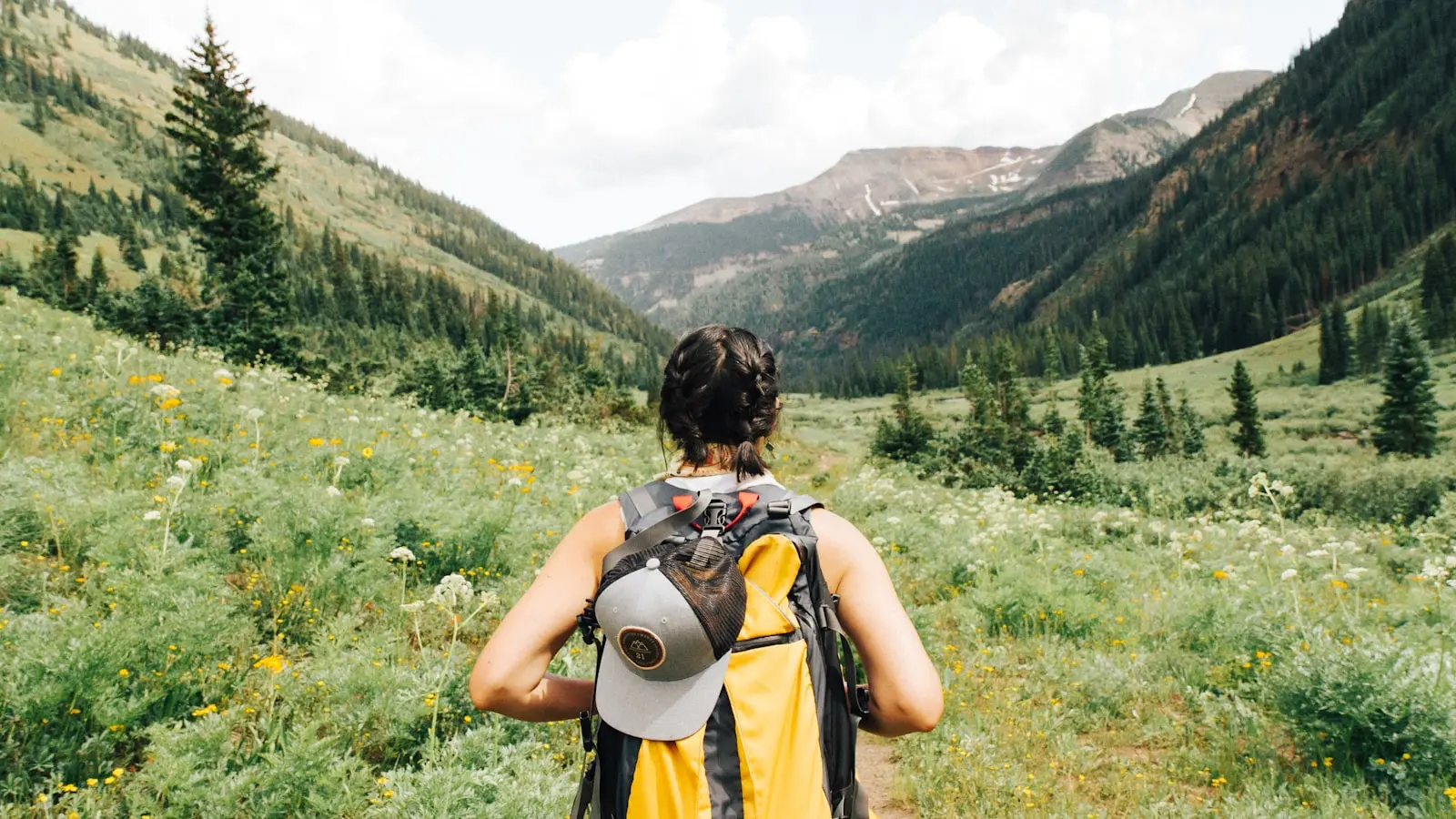
High altitude hiking training should help you walk comfortably for several days, manage your gear, and make sound decisions as elevation rises. It cannot guarantee protection from altitude illness or fully prepare your body for reduced oxygen. Safer trips combine progressive fitness, a conservative acclimatization hiking plan, symptom awareness, and the willingness to stop ascending or descend.
A physically fit person can still develop acute mountain sickness (AMS). Fitness improves hiking comfort and exercise tolerance, but altitude illness is more closely shaped by elevation, speed of ascent, sleeping altitude, individual response, and prior acclimatization.
Key Takeaways
- Train for the demands of the trail, but do not treat fitness as protection from altitude illness.
- Plan gradual increases in sleeping altitude and leave room for easier days, rest, or descent.
- If headache develops with nausea, dizziness, unusual fatigue, poor appetite, or poor sleep, stop ascending and reassess.
- Shortness of breath at rest, confusion, loss of coordination, or inability to walk normally require immediate descent and urgent help where available.
- Hydration, pain relievers, and prescription medication may have limited roles, but none replaces acclimatization or descent when symptoms worsen.
Fitness Helps Hiking but Does Not Prevent Altitude Illness
At higher elevations, less oxygen is available with each breath than at sea level. The body can adapt, but this process takes time and varies substantially between individuals. Strong legs and a well-developed aerobic base can make climbing easier, yet they do not reliably substitute for gradual ascent.
This distinction matters because runners, cyclists, and regular gym-goers may expect their conditioning to protect them. They may move efficiently early in a trip, then develop headache, nausea, poor appetite, fatigue, dizziness, or disrupted sleep as elevation rises. These symptoms deserve the same caution regardless of fitness level.
Set realistic goals for altitude fitness preparation. Aim to arrive able to hike at an unhurried pace, carry the gear you need, manage climbs and descents, and use familiar equipment. Equally important, choose an itinerary that allows extra time and gives you practical options if you are not acclimatizing well.
Remote hiking adds consequences when plans change. A mild problem can become harder to manage if the nearest descent route is distant, weather interrupts travel, or medical care is limited. Before departure, know your communication plan, likely descent options, and who in the group can call for a turnaround.
Build Your Fitness Progressively Before Departure
A useful high altitude hiking training plan is progressive rather than rigid. Your starting point depends on your current activity level, injury history, trip length, terrain, expected pack weight, and access to trails or hills. Increase one challenge at a time instead of adding longer walks, steep terrain, and a heavy pack all in the same week.
Start by building a regular aerobic base. Brisk walking, hiking, cycling, swimming, or similar activities can improve endurance and make repeated days on the trail more manageable. Favor sessions you can repeat consistently without lingering pain or exhaustion.
As departure approaches, add terrain-specific practice. Hills, stairs, incline treadmill walking, and uneven trails prepare your legs, pacing, and balance for sustained climbs. Practice descents as well: downhill walking can place substantial stress on the quadriceps, calves, knees, and feet even when breathing feels easier.
Introduce loaded-pack walks gradually. Begin with a light, comfortable setup, then increase the load only as your body adapts. When practical, use the footwear, socks, backpack, hydration system, and layers you expect to use on the trip so you can identify pressure points, chafing, poor fit, or unstable footwear before leaving home.
Strength work can improve hiking durability, especially for beginners and people unaccustomed to uneven terrain. Controlled squats or sit-to-stands, step-ups, lunges within your comfort range, calf raises, hip-focused movements, core work, and balance exercises are practical options. Slow lowering phases can help prepare the legs for descents, but soreness that alters your gait is a reason to reduce training load.
Recovery is part of altitude fitness preparation. Include rest days, adequate sleep, regular meals, and enough time for your body to adapt. Reduce training if pain, illness, or unusual fatigue builds rather than trying to force last-minute gains.
A simple staged approach is usually sufficient:
- Build consistency: Establish regular walking or aerobic sessions.
- Add specificity: Introduce hills, uneven terrain, and modest pack practice while maintaining recovery.
- Arrive fresh: Reduce training volume in the final days before travel instead of attempting a demanding final push.
Put Acclimatization at the Center of Your Itinerary
Acclimatization is the body’s adjustment to lower oxygen availability at elevation. It is central to high elevation travel health, and pre-trip training cannot fully replace the time needed to ascend gradually.
Plan around sleeping altitude, not only the highest point reached during the day. Day hikes to a higher point may be manageable for some people, but sleeping higher extends exposure for many uninterrupted hours. Large jumps in overnight elevation can make adaptation more difficult, particularly for first-time high-altitude travelers.
Build flexibility into the itinerary. Avoid schedules that require continuous upward progress every day with no spare time. Where possible, include easier or rest days as elevation rises, leave contingency time before fixed travel arrangements, and identify lower places where you could stay if symptoms develop.
Some routes use a climb-high, sleep-lower pattern: hikers visit a higher point during the day and return to a lower camp or lodging for the night. This can fit within a carefully planned acclimatization strategy, but it is not a reason to maximize elevation gain, overexert yourself, or continue upward while symptoms are developing.
Before departure, review the practical details:
- Trailhead and planned sleeping elevations
- Highest points reached each day
- Turnaround and descent routes
- Transport, weather, and communication limits
- Local emergency procedures and realistic medical access
A scenic route is not automatically a workable route. The safer itinerary is the one that leaves room to pause, stay lower, turn around, or descend without creating a separate emergency.
Let Symptoms Guide Your Decisions at Altitude
The central rule for altitude sickness prevention is straightforward: do not continue ascending with symptoms that could represent altitude illness. AMS often includes headache along with one or more symptoms such as nausea, dizziness, unusual fatigue, poor appetite, or sleep disruption.
Early symptoms may not feel dramatic. A headache may seem related to dehydration, caffeine withdrawal, poor sleep, or a demanding hiking day. Those factors can contribute, but new symptoms at elevation should be taken seriously until they improve or are assessed.
Use a conservative decision framework:
- No symptoms: Continue at a measured pace and keep monitoring yourself and companions.
- Mild symptoms: Stop ascending, rest, reassess, stay warm, and eat and drink normally if tolerated. Temporary symptom relief does not prove it is safe to go higher.
- Worsening symptoms, symptoms at rest, or reduced normal function: Descend and seek medical guidance as soon as practical.
Some warning signs can indicate severe high-altitude illness affecting the lungs or brain. Immediate descent and urgent emergency assistance are needed where available for shortness of breath at rest, marked confusion, loss of coordination, inability to walk normally, severe weakness, persistent cough, or concerning chest symptoms.
Do not rely on determination, group pressure, or a summit schedule. Travel with people who understand the plan and can notice behavior changes. In a serious situation, descent is often the most important immediate action while help is arranged.
People with heart, lung, neurologic, pregnancy-related, or other health concerns should seek individualized clinical advice before high-elevation travel. The same applies if you have recently been ill, have had severe altitude illness before, plan a rapid ascent, or expect to be far from reliable descent routes or medical care.
Hydration, Alcohol, Medication, and Logistics
Hydration supports general comfort and exercise performance, but drinking excessive water does not prevent altitude illness. It can create separate health problems. For most hikers, a practical approach is to drink regularly according to thirst, account for exertion and weather, and follow individualized medical guidance when a health condition affects fluid balance.
Approach alcohol conservatively, especially during the first days at a new elevation. Alcohol can disrupt sleep, impair judgment, and make symptoms harder to interpret. Sedating medicines and sleep aids may also complicate breathing or awareness of deterioration, so discuss their use with a clinician before travel rather than assuming they are suitable at altitude.
Pain relievers may reduce headache discomfort, but they do not correct poor acclimatization. A less severe headache after medication does not make further ascent safe if other symptoms continue or worsen.
Prescription medication may be considered in selected circumstances for prevention or treatment, but suitability, timing, side effects, interactions, and access require a licensed clinician’s assessment. Medication is not a replacement for gradual ascent, stopping when symptomatic, or descending when needed.
Arrange a travel-health or clinical appointment well before departure if you have a medical condition, are considering prescription altitude medication, have previously had a serious altitude-related illness, or plan to gain elevation quickly. Bring the planned route and sleeping elevations; those details are more useful than simply describing the trip as mountain hiking.
FAQ
Does being fit prevent altitude sickness while hiking?
No. Fitness can make uphill walking and carrying a pack feel easier, but it does not reliably prevent AMS. Acclimatization, sleeping altitude, ascent speed, and individual response remain important.
How long should I train before a high-altitude hiking trip?
Start early enough to build consistent walking or aerobic activity, then add hills and pack practice gradually. There is no universal training timeline. The best plan improves your capability without creating an injury or leaving you fatigued immediately before travel.
What symptoms mean I should descend immediately at high altitude?
Descend immediately and seek urgent help where available for shortness of breath at rest, confusion, loss of coordination, inability to walk normally, severe weakness, persistent cough, or concerning chest symptoms. Worsening symptoms or symptoms that persist at rest also warrant descent and medical assessment.
High-altitude hiking can be a rewarding goal for beginners when preparation is practical rather than overconfident. Train for the terrain, give your itinerary room for acclimatization, monitor symptoms honestly, and protect your ability to change plans. A conservative decision can preserve both safety and the rest of the trip.