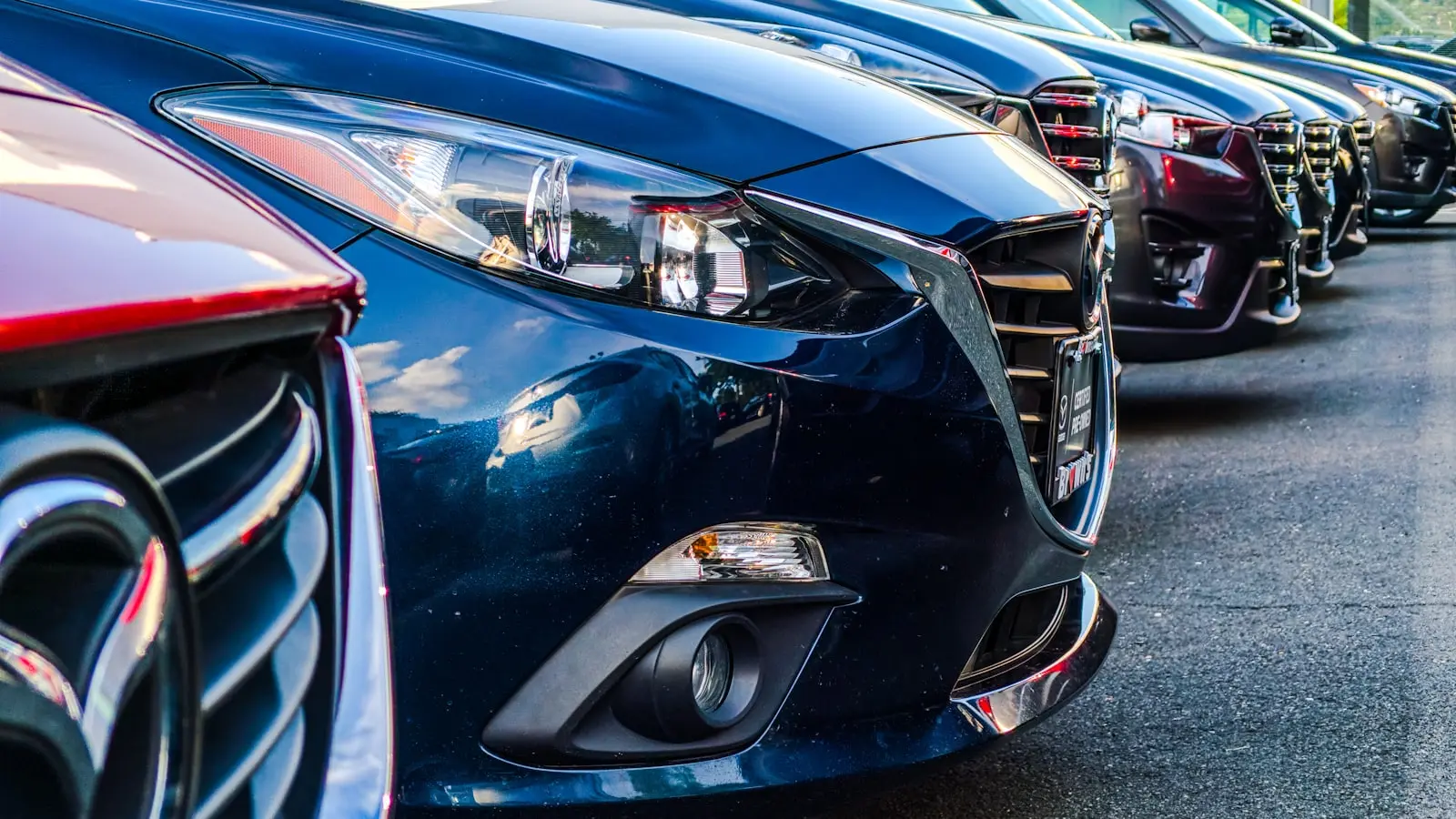
The price you see on a used car is rarely the price you pay. Buyers who fixate on the sticker price often get blindsided by repairs, fees, and higher insurance. Understanding the full picture of hidden costs when buying a used car can save you thousands and help you budget realistically.
Key Takeaways
- Pre-purchase inspections ($100–$300) can prevent surprise repair bills of $1,000 or more.
- Annual maintenance for a 5–10 year old car averages $1,200–$2,500 plus $300–$500 for larger services.
- Used car insurance can cost more than a new model due to missing safety features; always get a quote before buying.
- Registration, taxes, and dealer fees can add $1,000–$3,000 to the initial cost.
- The true monthly cost includes payment, insurance, fuel, maintenance, and registration, often double the loan payment alone.
The Price Tag Is Just the Beginning – Immediate Repairs and Inspections
Skipping a pre-purchase inspection is one of the costliest mistakes a used car buyer can make. A thorough inspection from a trusted mechanic typically costs between $100 and $300. That small upfront expense can uncover issues that would otherwise cost you $1,000 or more shortly after purchase.
Common immediate repairs after buying a used car include:
- Timing belt replacement: For popular models like the Honda Civic or Toyota Camry, this service typically runs $500 to $1,000. Many sellers time their sale just before this major service is due.
- Brake pads: Replacing brake pads on one axle usually costs $150 to $300. If rotors also need attention, the bill can double.
- New tires: A full set of quality tires ranges from $400 to $800. Check tread depth during the test drive.
- Fluid flushes: Coolant, transmission, and brake fluid flushes can add another $150 to $300 if the service history is unclear.
During a test drive, listen for unusual engine knocking or ticking, feel for hesitation when accelerating, and test transmission shifts at low and highway speeds. Check for rust under carpets and around wheel wells. Test every electronic feature: windows, air conditioning, radio, and dashboard warning lights. A car that looks clean but has a check engine light or a rough idle is a red flag.
The trade-off is clear: paying $200 for an inspection now versus facing a $1,500 repair bill next month. Many buyers skip it to save time or money, but that decision often leads to regret.
The Ongoing Toll: Maintenance, Insurance, and Fuel
Owning a used car means accepting that maintenance will be more frequent than with a new vehicle. For a car that is 5 to 10 years old, plan on spending roughly $1,200 to $2,500 per year on routine maintenance and unexpected repairs. Luxury or older models can push that figure higher.
One surprising hidden cost is insurance. A used car can sometimes cost more to insure than a brand-new version of the same model. Why? Older cars often lack modern safety features such as automatic emergency braking, lane departure warning, and advanced airbag systems. Insurance companies adjust premiums based on risk. If your used car has a higher theft rate or fewer safety aids, your liability and comprehensive premiums may increase. Always get an insurance quote before committing to a purchase.
Fuel efficiency is another expense that adds up. A car that is 10 years old may get 5 to 10 fewer miles per gallon than a newer model. Over 12,000 miles a year, that difference can mean $200 to $500 in extra fuel costs annually. When comparing two used cars, check the EPA-rated fuel economy and factor that into your monthly budget.
To estimate your annual ownership costs for a specific vehicle, start with the expected maintenance from owner forums or manufacturer recommendations. Add your insurance premium (get a quote), estimated fuel cost based on your annual mileage and local gas prices, and a buffer of $300 to $500 for unexpected repairs.
The Paperwork Trap: Taxes, Registration, and Dealer Fees
Registration fees and sales tax vary dramatically by state and can easily add $1,000 to $3,000 to the purchase price. Some states charge 6 to 10 percent of the sale price in tax. Others have a flat registration fee that is much lower. Check your state’s Department of Motor Vehicles website before you set your budget.
Dealer fees are another area where hidden costs creep in. Common charges include:
- Advertising fee: Some dealers add a few hundred dollars to recoup marketing costs. This fee is almost always negotiable because the cost of advertising is already built into the sticker price.
- Delivery and preparation fee: Dealers sometimes paste a second sticker on the window with charges like “dealer prep” or “vehicle procurement.” Contest these; they are typically part of the mandatory destination charge.
- Market adjustment fee: On popular models, dealers may add a premium simply because demand is high. This is tough to negotiate but worth trying if the car has been on the lot for a while.
Documentation fees are another line item. Some are mandatory (set by state law), but others are optional. Ask the dealer to itemize every fee and explain what it covers. If a fee seems redundant or inflated, push back or walk away.
The Depreciation Factor: When to Sell and How It Affects Your Budget
Depreciation does not stop after the first owner. A used car continues to lose value, though at a slower rate. Typically, a car depreciates 15 to 25 percent in its first year, then about 10 to 15 percent per year for the next few years. By the time you buy a car that is 3 to 5 years old, the steepest depreciation has already happened.
Your selling strategy matters. The optimal time to sell a used car is just before a major maintenance milestone, such as a timing belt replacement or transmission service. That way, you avoid paying for a costly repair that you won’t fully recoup in the sale price. Conversely, keeping the car longer spreads the fixed costs (like registration and purchase price) over more months, but you’ll face higher maintenance expenses.
To calculate the true cost of ownership, use this simple formula: (purchase price + taxes + fees + total maintenance + fuel + insurance – estimated resale value) divided by the number of months you own the car. That gives you a monthly cost that includes everything, not just the car payment.
How to Build a Realistic Used-Car Budget (A Simple Formula)
A smart used-car budget goes beyond the monthly payment. Use this framework:
Monthly budget = (expected car payment) + (insurance premium) + (fuel cost) + (maintenance savings) + (registration amortization)
For example, consider a $15,000 used car financed over 5 years at 6% interest. The payment is roughly $290 per month. Add insurance at $120 per month, fuel at $150, and set aside $100 per month for maintenance. Registration might cost $400 per year, which adds about $33 per month. Total monthly cost: $693. That is significantly higher than the $290 payment alone suggests.
When comparing a cheaper used car versus a certified pre-owned (CPO) model with a warranty, the CPO car often wins if its maintenance costs are lower. A CPO vehicle may cost $2,000 more upfront but could save you $1,500 in repairs over two years. Do the math on total cost, not just purchase price.
Pre-purchase research steps:
- Run a vehicle history report (look for accident history, number of owners, service records).
- Check for open recalls using the VIN on the NHTSA website.
- Get an insurance quote for the specific VIN.
- Schedule a pre-purchase inspection with a mechanic independent of the seller.
- Compare total ownership estimates between your top two choices.
Frequently Asked Questions
Is a pre-purchase inspection really worth it? Yes, it can uncover issues like worn timing belts or hidden rust that would cost thousands to fix later. The inspection fee of $100 to $300 often pays for itself 10 times over.
Why does insurance on a used car sometimes cost more than on a new car? Older cars may lack advanced safety features such as automatic braking or lane departure warning. Some models also have higher theft rates. Insurers adjust premiums accordingly, sometimes making a used car more expensive to insure than a new one of the same model.
How much should I budget for annual maintenance on a used car? For a 5- to 10-year-old vehicle, plan on $1,200 to $2,500 per year for routine maintenance and minor repairs. Add $300 to $500 more for larger items like timing belt replacement or transmission flush every few years. Luxury cars and older vehicles may exceed these ranges.