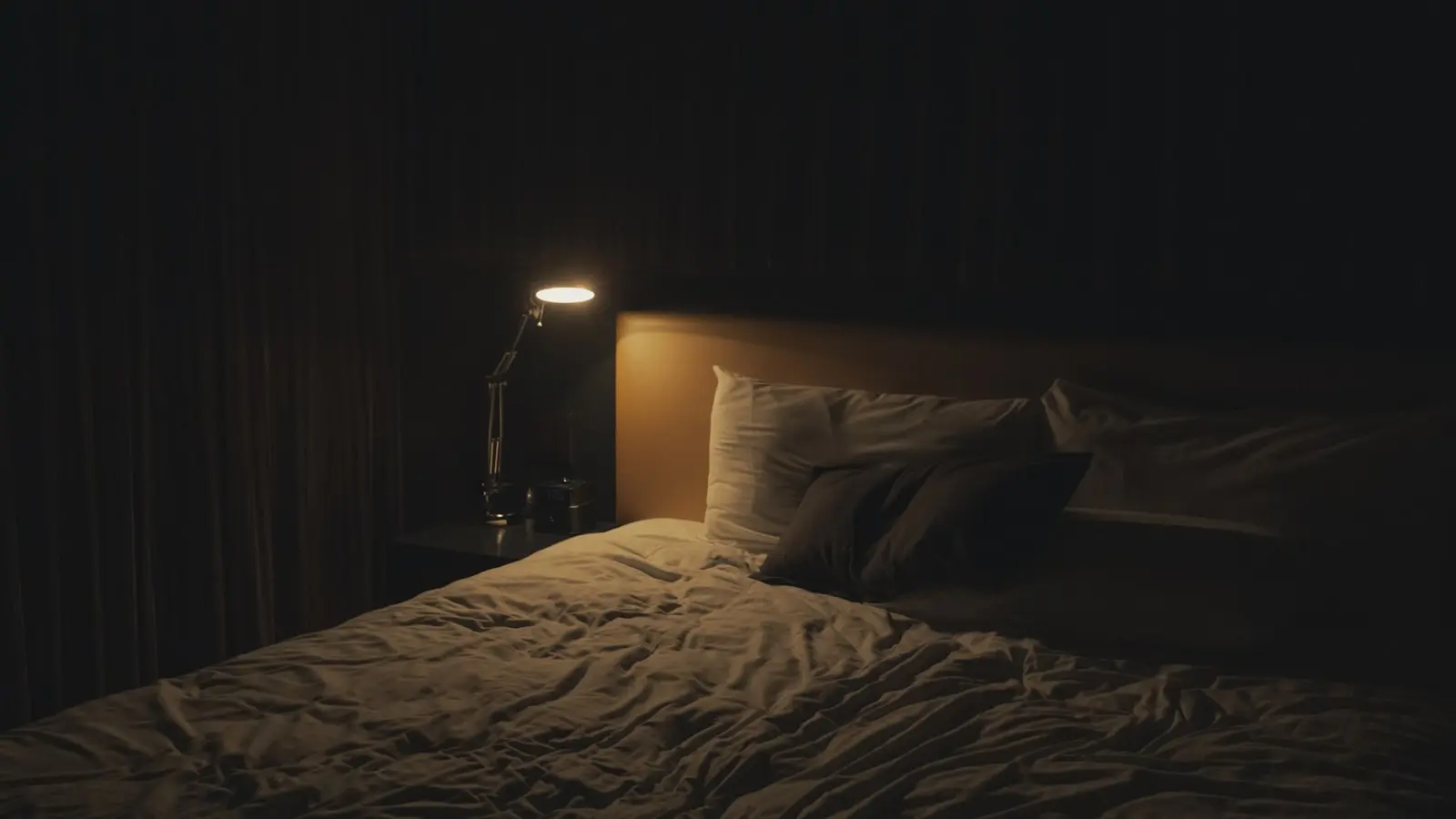
The best evidence-backed ways to get deeper sleep start with behavior, not a pill. CBT-I techniques and a consistent sleep-wake schedule are the strongest options by research support and everyday practicality. Environment changes can help, and supplements may support the process, but they work best when layered on top of a solid sleep foundation.
Key Takeaways
- Deep sleep is stage N3 slow-wave sleep, concentrated in the first half of the night, so total hours in bed don’t tell you how much restorative sleep you’re getting.
- Behavioral interventions, especially CBT-I techniques and a consistent sleep-wake schedule, have the strongest evidence for improving sleep continuity and protecting deep sleep.
- Environment changes—cooler temperature, darker evenings, and fewer abrupt noises—support slow-wave sleep but don’t override poor sleep timing or chronic stress.
- Magnesium glycinate, glycine, and melatonin may help in specific situations, but none are proven to reliably increase deep sleep on their own.
- Consumer sleep trackers estimate deep sleep from indirect signals; use them to spot trends, not to confirm a treatment worked.
What Deep Sleep Actually Is and Why It Matters
Deep sleep, also called slow-wave sleep or stage N3 sleep, is the phase when the brain produces large, slow waves and becomes less responsive to outside noise. This stage is associated with memory consolidation, physical recovery, and the restorative effects that people usually mean when they say they want better sleep. The exact mechanisms are still being studied, but the connection to feeling refreshed is consistent.
Deep sleep is not distributed evenly across the night. The first sleep cycles tend to contain more slow-wave sleep, while later cycles contain more REM sleep. Deep sleep also tends to decline with age, which is normal. That means total time in bed is not the same as time in deep sleep; the timing and structure of sleep matter.
Consumer sleep trackers complicate this picture. Many devices report deep sleep as if it were directly measured, but they estimate it from movement, heart rate, and breathing. They cannot measure brain waves. Use them to spot patterns, not as proof that a particular fix worked.
Behavioral Interventions With the Strongest Evidence
Behavioral changes come before supplements because the evidence is stronger and the side effects are minimal.
CBT-I techniques. Cognitive behavioral therapy for insomnia, or CBT-I, is the most evidence-backed non-drug approach for fragmented sleep. It uses stimulus control to rebuild the association between bed and sleep, sleep restriction to consolidate sleep time, and cognitive restructuring to reduce the worry that keeps people alert. It was designed for insomnia, not as a deep-sleep booster. Its strongest effect is making sleep more continuous, which can create more opportunity for deep sleep. The evidence that it directly increases slow-wave sleep is less consistent.
Consistent sleep-wake schedule. Deep sleep is concentrated in the early part of the night, so a stable bedtime and wake time protects that window. This is more maintenance than a standalone fix, but it matters because irregular sleep shifts circadian timing and pushes deep sleep later.
Exercise timing. Regular physical activity is linked to better sleep quality, and daytime exercise may increase slow-wave sleep, especially among people who are inactive. The response is personal, so use your own sleep quality to guide whether evening exercise works for you.
Decision rule: use CBT-I when stress or insomnia makes sleep feel light or fragmented. Use schedule and morning light when your sleep timing has drifted. Use exercise as a general support, not as an immediate fix for a single bad night.
Sleep Environment Changes That Support Slow-Wave Sleep
The bedroom is a support layer, not a replacement for behavior.
Temperature. Deep sleep follows a natural drop in core body temperature. A cooler bedroom and breathable bedding help that process, while heat can fragment slow-wave sleep and cause awakenings. No single temperature fits everyone, so use comfort as the guide.
Light. Bright light in the evening delays the melatonin signal and can push sleep later, shrinking the early-night period when deep sleep is most abundant. Dimming lights before bed and limiting light exposure during the night protects sleep timing, though light affects sleep timing more than slow-wave depth directly.
Noise. A loud or sudden noise can cause an arousal that pulls the brain out of deep sleep even without a full awakening. Steady low-level sound, earplugs, or a fan can make the acoustic environment more predictable. These changes are supportive, not substitutes for behavioral issues.
Supplements: What the Research Does—and Doesn’t—Show
Supplements are the most popular way to try to increase deep sleep, but they are also the easiest to overrate. Ranked by current evidence and practical use, they fall into three groups.
Magnesium glycinate. Magnesium is involved in many processes that affect sleep, and low magnesium can disrupt rest. Some trials report better perceived sleep quality, but the evidence for specifically increasing deep sleep is mixed. The glycinate form may be easier on the stomach, but it is not proven to be a deep-sleep enhancer. People with kidney issues or those taking regular medication should check with a clinician first.
Glycine. Glycine has produced some promising results in small studies, especially for sleep quality and daytime sleepiness. The research is limited, and reliable evidence linking glycine to more slow-wave sleep is still lacking. It is generally well tolerated, but high-dose supplements deserve a conversation with a doctor.
Melatonin. Melatonin is best supported for circadian timing and sleep onset. It helps when a schedule is shifted, but it is not a proven way to deepen sleep. Higher doses don’t automatically work better and can cause drowsiness or vivid dreams.
The practical order is behavior first, environment second, and supplements as targeted support. If deep sleep remains poor for weeks, the next step is clinical evaluation, not another supplement.
Common Mistakes That Quietly Block Deeper Sleep
Several everyday habits can undo otherwise good sleep effort.
Late eating. Heavy meals close to bedtime can delay the temperature drop that signals sleep and can cause reflux or digestive discomfort. This is a timing issue, not a reason to avoid all late snacks.
Alcohol. A drink can make you sleepy and may increase early deep sleep, but it often fragments the second half of the night. The trade-off means alcohol may feel like a sleep aid while quietly reducing sleep continuity.
Caffeine too late. Caffeine keeps sleep pressure low and increases nighttime wakefulness, which cuts the time available for slow-wave sleep. Moving caffeine earlier in the day is worth testing if sleep feels shallow.
Sleep tracker obsession. Treating a wearable’s deep-sleep number as medical truth creates performance anxiety, which makes sleep worse. These numbers are estimates, so use them as trends rather than proof.
Irregular catch-up sleep. Sleeping in on weekends can feel restorative, but it shifts circadian timing and weakens the early-night window where deep sleep usually lives.
FAQ
Does magnesium really increase deep sleep, or does it just help you fall asleep?
The evidence is mixed for deep sleep specifically. Some people report better sleep quality, especially if they had low magnesium, but that is not the same as proven slow-wave enhancement. Think of magnesium as possible support, not a guaranteed deep-sleep supplement.
Can CBT-I increase deep sleep even if I don’t have insomnia?
It can help if fragmented sleep, stress, or long periods of lying awake are reducing deep sleep. For someone who sleeps through the night and wants more deep sleep for performance reasons, CBT-I may not deliver a dramatic increase. A sleep specialist can help identify what is actually limiting deep sleep.
Are consumer sleep trackers accurate enough to measure deep sleep?
No. Most devices estimate sleep stages from movement and heart rate rather than brain-wave activity. They are useful for spotting patterns like an irregular bedtime or frequent awakenings, but they should not be the final judge of whether a strategy worked.
If deep sleep still feels poor after weeks of consistent timing, good light exposure, and a cooler bedroom, discuss it with a clinician. Deep sleep reflects overall health, and meaningful improvement usually comes from removing disruptors and fixing behavior rather than relying on a single pill.