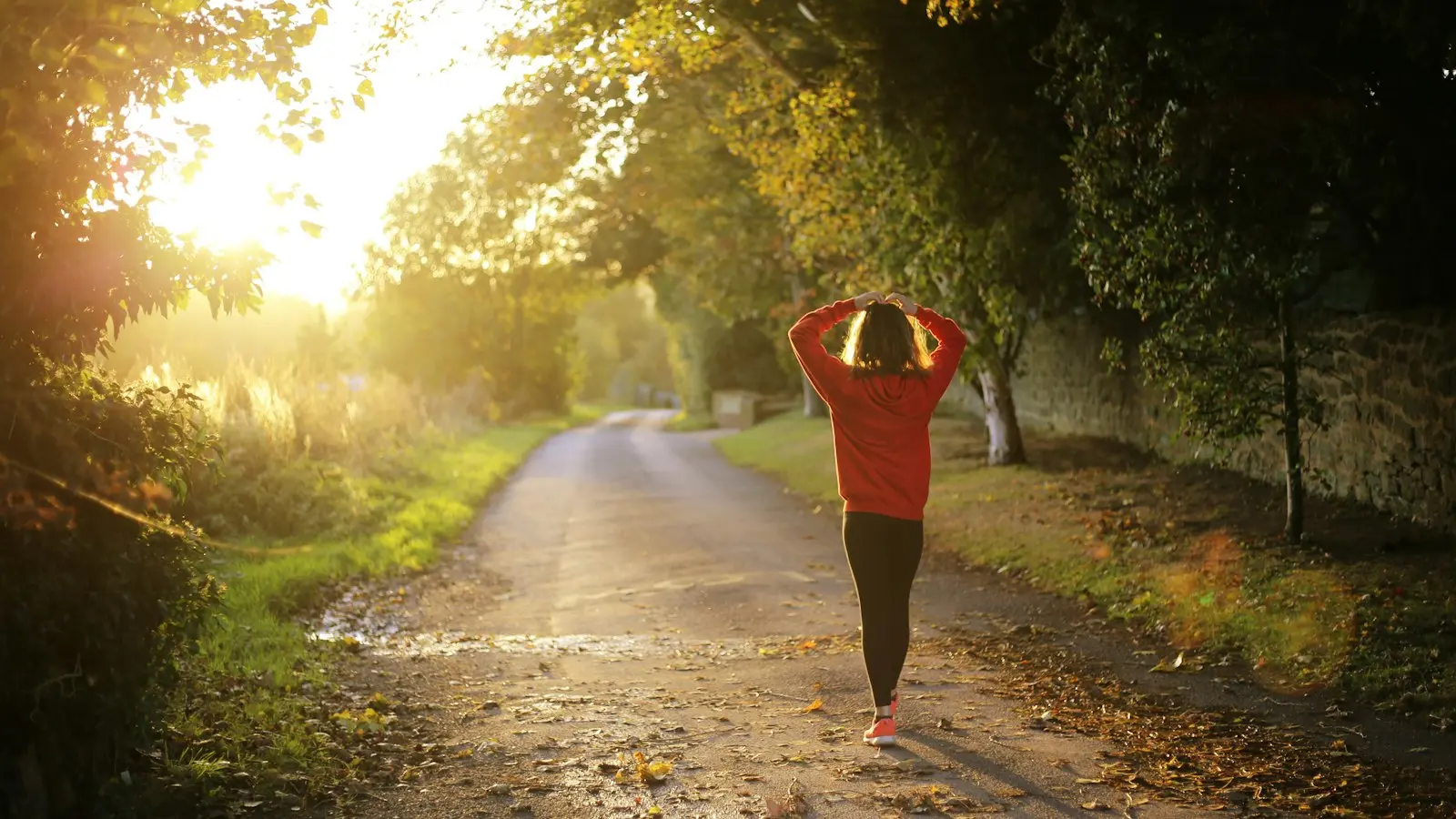
If you had one mildly poor night of sleep and otherwise feel well, light morning exercise may improve alertness, mood, and your sense of routine. It cannot replace the recovery you missed, however, and it does not make demanding training automatically safe.
The practical answer is to separate movement from performance training. A walk, gentle mobility session, or easy cycle may be reasonable after limited sleep. Intervals, maximal lifting, long endurance sessions, technical sports, and other activities that depend on fast reactions or precise judgment are better postponed when you feel significantly tired.
Key Takeaways
- Light, familiar movement may improve mood and perceived alertness after one mildly poor night, but it does not restore lost recovery.
- Poor sleep can affect concentration, reaction time, coordination, perceived effort, and exercise performance.
- Walking, mobility work, easy cycling, relaxed swimming, or lighter resistance training are generally more suitable than maximal or technical sessions when you feel well enough to move.
- Repeated sleep loss, illness, dehydration, heat, or significant symptoms are reasons to modify or skip training.
- Chest pain, fainting, severe shortness of breath, confusion, unusual palpitations, or worsening dizziness require stopping exercise and seeking appropriate medical help.
What Poor Sleep Changes About Exercise
Sleep loss can affect more than energy. It may reduce concentration, slow reactions, impair coordination, increase perceived effort, and make it harder to judge how capable you are. These changes matter most when a workout is fast, heavy, complex, or performed in a demanding environment.
For example, a tired person may still be able to walk comfortably but struggle to maintain good technique during a heavy barbell lift. A recreational runner might complete an easy jog but find that intervals require more effort than usual and that pacing decisions become less reliable. In a sport involving quick changes of direction, fatigue can also make missed cues or awkward landings more likely.
One disrupted night is not the same as repeated sleep restriction. After a single late night, you may feel below your usual baseline but recover as your sleep normalizes. Several nights of inadequate sleep can produce a deeper accumulation of fatigue, making a hard workout less productive and recovery more difficult.
Exercise may create a temporary sense of alertness through movement, daylight, increased circulation, and a change in routine. That feeling is useful, but it should not be confused with restored physiological recovery. Muscles, the nervous system, and other body systems still have to recover from insufficient sleep.
Research on whether exercise can offset the effects of poor sleep is nuanced. Some findings suggest that regular physical activity is associated with better long-term health and that a bout of easy movement may support mood or cognitive function after a poor night. That does not mean exercise reverses sleep deprivation or protects against every consequence of inadequate sleep.
When Light Morning Movement May Be Reasonable
A lower-demand session is often the most sensible form of exercise after poor sleep when you feel basically well. Suitable options may include a relaxed walk, gentle stretching and mobility, easy cycling, relaxed swimming, or resistance exercises using noticeably less load than usual.
The goal is not to prove that you can complete your normal workout. It is to maintain movement without adding unnecessary stress while your alertness and coordination are below baseline. A session that leaves you feeling more comfortable and awake may be useful; one that leaves you shaky, unusually breathless, or progressively worse is a reason to stop.
Travelers can use this approach after a disrupted night caused by an early flight, jet lag, an unfamiliar bed, or a changed schedule. A short walk outdoors can combine gentle activity with morning light and help re-establish a routine. In a hotel, a brief mobility session or easy stationary-bike ride may be more appropriate than trying to reproduce a demanding gym program.
Allow more time for a gradual warm-up. Start with easy movement and assess how your breathing, balance, coordination, and perceived effort respond. If a familiar pace feels unusually difficult, reduce the duration or intensity rather than treating that sensation as something to overcome.
A recovery-focused session should also be different from a workout designed to improve speed, strength, endurance, or technical skill. It may be appropriate to move for general well-being, but that does not mean it is a good day to test a personal record or learn a complex movement.
When to Modify or Skip the Workout
Use several factors together rather than relying on a single sleep number. First, consider how your sleep compared with your normal amount. A modest reduction after one night is a different situation from very little sleep across several nights. Next, assess how you feel while awake: marked sleepiness, unusual weakness, dizziness, poor balance, irritability, or difficulty concentrating should weigh against strenuous exercise.
Also consider the workout itself. Training while tired is more concerning when the session includes maximal lifts, explosive movements, high-speed intervals, long runs, open-water swimming, climbing, cycling in traffic, contact sports, or technical skills that require precise judgment. Replace these with walking, mobility, or rest if you are not confident in your control.
Illness changes the decision as well. If poor sleep occurs alongside fever, vomiting, diarrhea, significant congestion, body aches, or another condition that makes you feel unwell, rest and hydration may be more appropriate than exercise. Forcing a session can add stress without providing a meaningful training benefit.
Stop exercising and seek prompt medical help for chest pain, fainting, severe or unusual shortness of breath, confusion, severe dizziness, or unusual palpitations. Worsening symptoms should not be explained away as ordinary tiredness. Anyone with cardiovascular disease, an uncontrolled medical condition, pregnancy-related exercise concerns, or prescribed exercise restrictions should obtain individualized advice from a healthcare professional.
The decision can be simplified into three choices:
- Move gently: You had one poor night, feel generally well, are hydrated, and the activity is easy and familiar.
- Modify the plan: You are tired but functional, or the environment and workout create extra demands. Reduce load, pace, duration, complexity, or exposure to heat.
- Rest and recover: Sleep loss is repeated or severe, you feel physically unwell, or symptoms make safe movement uncertain.
Heat, Hydration, and Caffeine Can Change the Risk
Poor sleep is only one part of the recovery picture. Heat and humidity increase cardiovascular and fluid demands, while travel can add long periods of sitting, alcohol, disrupted meals, and limited access to water. Vomiting or diarrhea can also leave you dehydrated. Combining these stresses with a long or intense workout is a poor approach to morning exercise safety.
When conditions are hot, choose a cooler time or an indoor setting, reduce the planned effort, and keep water available. Shade and ventilation help, but they do not eliminate the need to respond to symptoms. A fitness watch can show heart rate or pace, yet it cannot reliably determine whether your judgment, coordination, or recovery is adequate for a particular activity.
Caffeine deserves a separate caution. It may make you feel more awake, but alertness is not the same as restored recovery. Using coffee or another stimulant to force a normal session can mask fatigue and make it easier to underestimate how tired you are. Caffeine later in the day may also interfere with the following night’s sleep, extending the cycle.
If you use caffeine as part of your usual routine, avoid treating it as permission to ignore warning signs or increase workout intensity. Base the decision on symptoms, movement quality, and the demands of the activity—not only on whether you feel stimulated.
Returning to Normal Training and Protecting Recovery
Return to normal intensity when sleep, symptoms, coordination, and perceived effort are closer to your personal baseline. You should be able to perform the planned movements with normal control and without an unusual struggle to maintain pace or technique.
When resuming training, reduce either volume or intensity first. For example, you might complete fewer intervals, use a lighter load, shorten a long run, or stop before fatigue changes your form. Do not try to make up every missed minute in one session. That approach can turn a single disrupted night into a longer recovery problem.
The foundation of exercise and recovery remains regular sleep, adequate food and fluids, and a schedule that allows rest between demanding sessions. Exercise can support sleep over time, especially when it is consistent and appropriately timed, but it should not become a strategy for repeatedly borrowing from sleep.
Persistent poor sleep, excessive daytime sleepiness, or a pattern of needing intense exercise or caffeine to function deserves discussion with a healthcare professional. The issue may be schedule-related, but ongoing problems can also reflect a sleep or health concern that deserves evaluation.
The simplest rule is this: move gently if you feel basically well, modify demanding training when tired, and rest or seek care when symptoms make exercise unsafe. Early exercise may help you feel more alert after one poor night, but only sleep restores the recovery that sleep loss took away.
FAQ
Is it safe to exercise after one night of poor sleep?
Often, light or easy exercise is reasonable if you feel generally well and the activity is familiar and low risk. Begin gradually and be willing to shorten or stop the session. One bad night does not require complete inactivity, but it is a poor time to force maximal or highly technical training.
What is the best workout after sleep deprivation?
Choose low-intensity movement such as walking, gentle mobility, easy cycling, relaxed swimming, or light resistance with reduced loads. The best option is one that does not challenge balance, reaction time, or judgment and does not leave you feeling worse afterward.
Should you skip exercise after several nights of poor sleep?
Several nights of restricted sleep shift the balance toward rest, recovery, or very gentle movement. Repeated sleep loss can affect performance and recovery more substantially than a single disrupted night. If you are persistently sleepy or physically unwell, discuss the pattern with a healthcare professional rather than repeatedly compensating with workouts or caffeine.