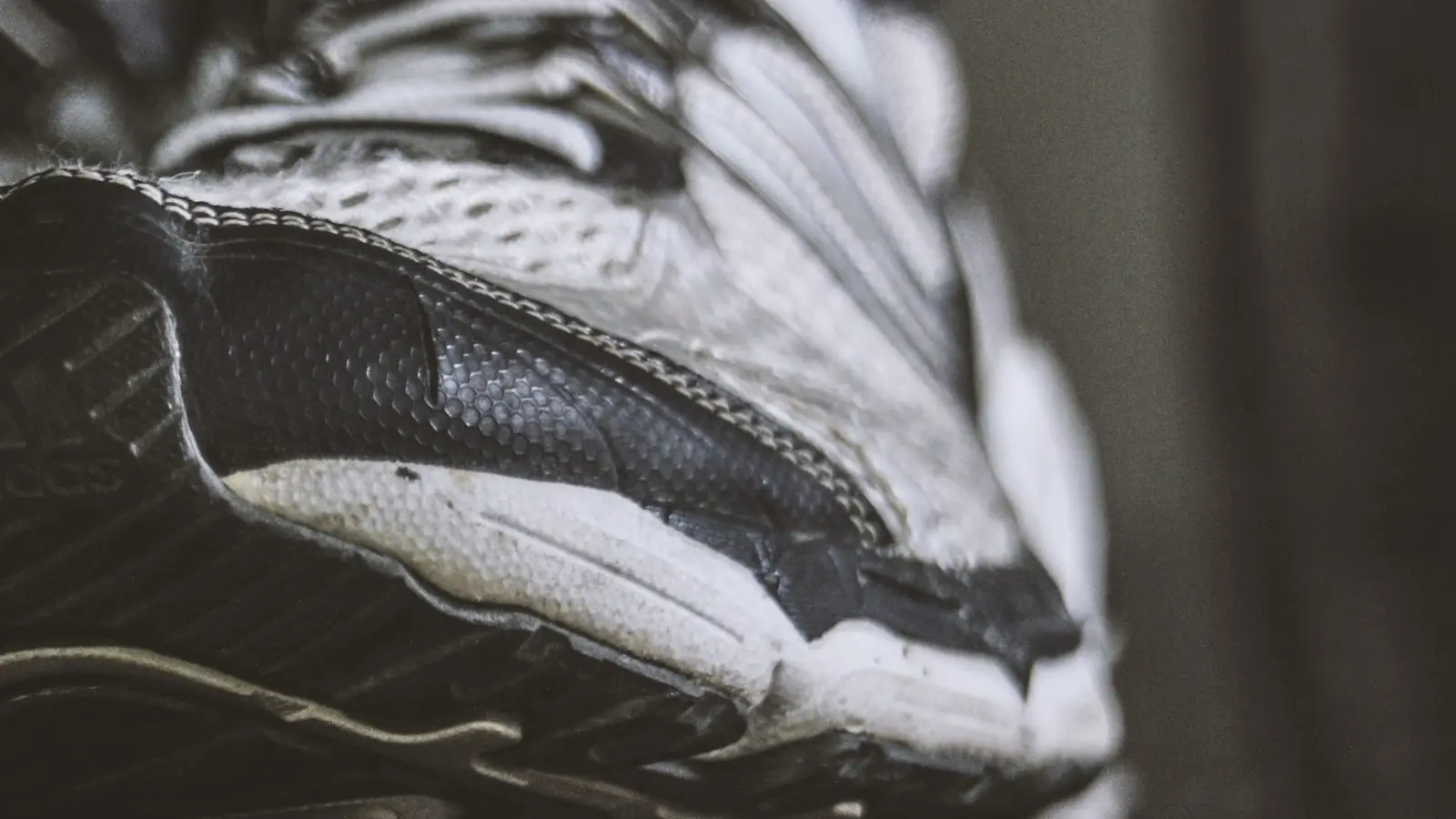
The transaction occurs seamlessly. A recreational runner walks into a specialty footwear store, relinquishes over two hundred and fifty dollars, and walks out carrying the exact biomechanical technology worn by the fastest marathoners on earth. Walk to the starting line of any local weekend five-kilometer race. The asphalt reflects a sea of neon-colored, maximally cushioned footwear. Consumers purchase these carbon-plated super shoes under the assumption that the equipment buys velocity. The expectation rests on highly publicized clinical data demonstrating a four percent improvement in running economy. The scoreboard lies. The numbers rarely do. When applied to the physiology of an amateur runner, the mathematics of carbon propulsion completely collapse.
The Origin of the Four Percent
To understand the mechanical failure at slower speeds, one must isolate the engineering intent. In 2017, footwear engineers attempted a highly specific logistical challenge: break the two-hour marathon barrier. The human body requires a specific metabolic output to sustain a sub-five-minute mile pace for twenty-six point two miles. Engineers realized they could not alter human lung capacity, but they could alter the mechanical efficiency of the lever striking the ground.
Footwear brands engineered super shoes using two primary components working in tandem. First, a highly resilient, lightweight block of specialized polyether block amide (PEBA) foam constructs the midsole. Second, a curved, rigid carbon fiber plate embeds directly within that foam layer. The architecture operates on absolute biomechanical thresholds. (Marketing rarely addresses physics.)
When an elite marathoner running a five-minute mile strikes the pavement, they apply immense downward force over an exceptionally brief ground contact time. The foot compresses the PEBA foam. The carbon plate stabilizes the foam and acts as a stiff lever across the metatarsophalangeal joint, essentially locking the toes and reducing the energy required to push off. As the runner toes-off, the foam rapidly rebounds. The plate directs that kinetic energy entirely forward. The runner expends less metabolic energy to maintain the exact same pace. The four percent efficiency gain materializes. The geometry works flawlessly.
The mechanism demands force, velocity, and a midfoot or forefoot strike pattern. Most amateur runners generate none of these elements.
The Eight-Minute Pace Threshold
When a runner slows their pace past eight minutes and thirty seconds per mile, gait mechanics fundamentally change. Ground contact time elongates. The runner spends significantly more milliseconds interacting with the pavement with every single step. This temporal shift completely dismantles the super shoe energy return system.
As the slower runner’s foot strikes the ground, it compresses the midsole foam. Because the foot remains on the ground longer, the highly responsive PEBA foam decompresses before the runner initiates the push-off phase. The stored energy dissipates into the vertical axis rather than propelling the runner horizontally. The foam rebounds too early. The mechanical advantage evaporates entirely.
Furthermore, slower runners predominantly utilize a heel-strike pattern. Super shoes feature aggressive midsole geometries—often styled as extreme rocker bottoms—designed to roll a forefoot striker quickly onto their toes. When a heel striker lands on a forty-millimeter stack of ultra-soft foam containing a rigid plate, the shoe fights the natural transition of the foot. The carbon plate does not bend under low force. It acts as a rigid plank. The runner ends up fighting the shoe to complete the stride. Energy leaks across the entire kinetic chain. The runner expends more metabolic energy trying to stabilize the footwear than they receive in forward propulsion.
Biomechanical Load Distribution and Structural Risk
The absence of speed creates physical risk. Biomechanists tracking amateur performance in carbon-plated footwear repeatedly isolate dangerous shifts in load distribution.
A standard daily trainer allows the foot to flex. The human foot contains twenty-six bones and over a hundred muscles, tendons, and ligaments designed to absorb uneven terrain, activate the windlass mechanism, and dissipate shock naturally. A rigid carbon plate locks the foot into a static plane. It prevents natural flexion. When the foot cannot bend to absorb the impact of the road, the kinetic force travels upward seeking a release point.
Analysts note a direct correlation between slow running in super shoes and elevated stress on the Achilles tendon and the knee joint. The thick, soft foam creates profound lateral instability. (Imagine trying to balance on a marshmallow resting on a skateboard.) If a runner lacks elite-level ankle strength and proprioception, the ankle wobbles upon impact. The rigid plate amplifies this lateral torque, sending rotational stress directly into the knee capsule. The Achilles tendon overcompensates to stabilize the shifting foam. The equipment intended to optimize performance instead manufactures overuse injuries. A two hundred and fifty dollar investment directly buys tendinopathy.
The Disconnect Between Retail Strategy and Reality
Retailers push carbon technology onto the mass market because corporate profit margins demand it. Brands heavily saturated the elite racing market within two years of introducing the technology. To maintain revenue growth, corporations executed a calculated pivot. They rebranded elite marathon equipment as essential gear for all runners, regardless of ability or pace.
Industry sales data indicates amateur runners frequently purchase super shoes for daily training rather than strictly for race day. The economics of this decision are remarkably poor. PEBA foam degrades rapidly, often losing its structural integrity and microscopic air pockets within one hundred and fifty miles. Consumers lock themselves into an aggressive, expensive replacement cycle, continuously paying premium prices for degrading foam that their mechanics cannot properly compress in the first place.
Community forums and running analysts debate the perceived benefits endlessly. Many runners report feeling less muscular fatigue the day after a long run in super shoes. The high stack height of the soft foam legitimately reduces blunt force trauma to the quadriceps. However, delayed onset muscle soreness represents an entirely different physiological metric than running economy. Feeling comfortable does not equal running faster. The reduction in muscular fatigue often functions as a placebo, masking the micro-stresses accumulating invisibly in the ligaments and tendons.
Tactical Capital Allocation for the Amateur
Data models clearly separate the equipment from the outcome. The efficiency curve for carbon-plated footwear drops precipitously as pace decreases.
- Sub-6:00 min/mile: Optimal energy return. Maximum mechanical advantage. Carbon plate functions exactly as designed.
- 6:00 to 8:00 min/mile: Marginal gains. Form dictates outcome. Midfoot strikers extract minor benefit; heel strikers see diminishing returns.
- Slower than 8:30 min/mile: Zero net propulsive benefit. Severe energy loss due to prolonged ground contact time. Elevated risk of Achilles and knee torque.
The logic dictates a different investment strategy for the amateur runner. Instead of allocating massive capital toward rigid carbon technology, biomechanical data suggests investing in durable, non-plated daily trainers. Modern non-plated trainers utilize advanced thermoplastic polyurethane (TPU) or nitrogen-infused foams that provide high shock absorption without the destabilizing effects of a carbon lever. These shoes adapt to the runner rather than forcing the runner to adapt to a rigid plate.
Amateur runners attempting to buy speed bypass the core reality of the sport. Physiological adaptation requires time, mechanical tension, and volume. A rigid plate inside a shoe cannot artificially generate ankle stability, increase VO2 max, or shorten ground contact time. It merely exposes the existing flaws in a runner’s form. The runner crosses the finish line with the exact same physiological limitations. The scoreboard registers the same reality. The bank account simply registers the deficit.