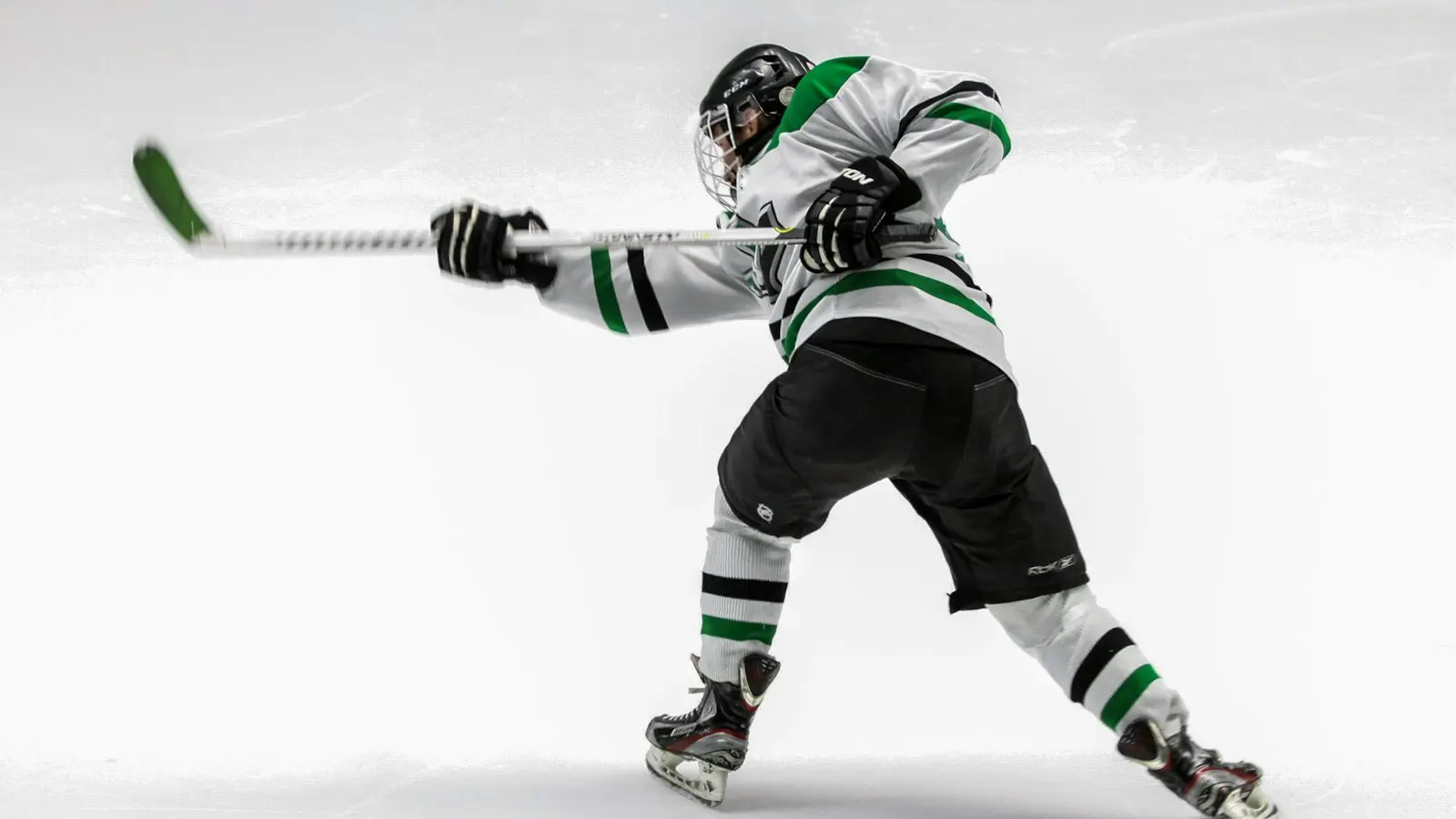
A team trying to defend a four-goal lead in hockey should not simply retreat and throw the puck away. The safest approach is controlled: reset calmly after every goal, protect the slot, pressure the puck without breaking structure, use reliable exits, and keep fresh players on the ice. The margin is usually favorable, but a rapid sequence of goals, penalties, rebounds, deflections, and faceoff losses can change the game quickly.
The correct plan also depends on the score, time remaining, zone location, fatigue, opponent quality, and level of play. NHL teams can use deeper lineups and more specialized penalty-killing units than most recreational or youth teams. The principles are similar, but execution depends on skating, communication, and tactical experience.
Key Takeaways
- Reset immediately after every goal: confirm the score, time, penalties, matchups, and assignments.
- Protect the slot and net front first, but use controlled pressure instead of allowing uninterrupted zone time.
- Manage the puck with purpose: make a supported play when possible and use a reliable clearance when pressure removes better options.
- Keep defenders fresh, make legal changes only when coverage is secure, and avoid retaliation or frustration penalties.
- Adjust decisions to the clock, puck location, fatigue, special-teams situation, and whether the opponent has an extra attacker.
Reset immediately after a goal
The first response after conceding should be organizational rather than emotional. Players need to confirm the score, time remaining, penalty situation, likely matchups, and the next defensive assignment before the following faceoff. A short bench reset can prevent blame, rushed substitutions, and the mistake of trying to answer immediately with an unnecessary offensive gamble.
The next shift is especially important because the opponent has momentum and may attack aggressively off the faceoff. The defending team should protect the middle of the ice, support the first player on the puck, and make the first dependable decision. That might be a short outlet, a controlled carry, or a safe play along the boards. It should not be a blind pass through the middle simply because players feel pressure to change the mood.
Communication should be specific. One player identifies the forecheck, another calls the support option, and the nearest defender communicates whether a change is safe. Clear information helps the team return to its normal structure instead of creating five separate reactions to the opponent’s urgency.
A timeout can help when the group is confused, exhausted, or facing a difficult matchup, but it is not an automatic response to conceding a goal. Coaches should weigh the value of stopping momentum against preserving the timeout for a later faceoff, penalty-kill situation, or extra-attacker sequence.
Protect the slot without giving up all possession
Good hockey late-game defense begins with the slot and net front. The defending team should deny direct routes to the middle, keep sticks and bodies connected to dangerous attackers, and prevent clean passes across the scoring area. This does not mean every player collapses below the hash marks and watches the puck move around the perimeter.
A passive shell can reduce immediate penetration, but it can also invite repeated shots, retrievals, and screened rebounds. If the puck carrier has time to survey the ice, the attacking team can keep all five defenders moving and eventually create a seam. Controlled pressure is usually more useful: the first defender pressures the puck, the second provides support underneath, and the remaining players protect the slot and passing lanes.
The priority order should be clear:
- Deny the middle and the pass into the slot.
- Support the first defender so pressure does not create an easy escape.
- Box out around the crease and control rebounds.
- Force lower-danger shots from the perimeter where possible.
- Regain possession and leave the zone with structure.
The team’s normal system matters. A club built to forecheck aggressively should not suddenly use a deep defensive shell it has barely practiced. Conversely, a slower team may need to protect the middle earlier and avoid extended races that expose its defenders. Late-game defense is not a separate sport; it is an adjusted version of the team’s established habits.
Manage the puck: attack selectively, exit reliably
Puck management is often misunderstood as permanent conservatism. Simply lifting the puck out or dumping it away can be correct when a defender is under immediate pressure, but repeated uncontrolled clears can produce the same problem: the opponent retrieves the puck, attacks again, and keeps the defending team trapped.
The better question is whether the next play preserves control or reduces danger. A team can attack when it has a controlled carry, a nearby support option, numbers through the neutral zone, or a forecheck likely to recover the puck. Controlled offensive-zone possession may be safer than sending an exhausted line back into its own end.
The team should move the puck out quickly when the carrier is being closed off, the middle is unavailable, or a turnover would create an odd-man rush. Strong first passes to a supported teammate are preferable to hopeful cross-ice attempts. When no clean pass exists, a play around the boards or a glass-and-out clearance may be the responsible choice, particularly if it travels beyond immediate pressure.
That distinction separates purposeful puck management from panic. A blind pass through the middle risks a direct scoring chance. A soft, short clearance may stop neither pressure nor possession. Players should know where the next support option is before receiving the puck and should understand whether they have time to carry, pass, chip, or protect it.
Faceoffs also shape the decision. A clean defensive-zone win can create an immediate exit if the wingers and center support the puck correctly. A lost draw requires defenders to protect the slot first rather than chasing the puck carrier and opening a backdoor option. Avoiding unnecessary icing is useful when a safer play is available, but players should not attempt a dangerous pass merely to prevent an icing call.
Use fresh defenders and avoid self-inflicted penalties
Fatigue changes decision quality before it obviously changes skating speed. Tired defenders are more likely to lose net-front coverage, arrive late to switches, mishandle routine passes, or reach with their sticks instead of moving their feet. That is why line management is part of hockey late-game defense, not an administrative detail.
Changes should be planned and legal. A team wants fresh defenders, but not at the cost of stranding a tired player, creating a numbers disadvantage, or abandoning coverage while the puck is still threatening. The safest opportunities usually come when the puck is controlled, moved deep, or held in a location where the changing team can maintain defensive support.
Communication between the bench and players is essential. The outgoing player must know whether a change is available, while the incoming player must understand the matchup and defensive responsibility. A rushed change after a failed clear can turn ordinary fatigue into an odd-man attack.
Penalty prevention is equally important. Retaliation, careless stick infractions, late or illegal checks, offensive-zone frustration penalties, and unnecessary interference can give the opponent a power play when it needs only one clean sequence to regain momentum. Players should finish legal contact, keep their hands and sticks controlled, and avoid chasing a hit when the puck is already moving elsewhere.
On a late penalty kill, the priorities become even narrower. The defending team must protect the slot and backdoor area, maintain connected spacing, pressure without overcommitting, and clear rebounds rather than merely blocking the first shot. An NHL penalty kill may have specialized units and rehearsed rotations; youth and recreational teams may need a simpler structure built around staying compact and denying the middle.
Rules concerning icing, delayed penalties, goalkeeper restrictions, faceoff locations, and extra attackers vary by governing body and competition. Coaches should confirm the applicable rules rather than rely on assumptions from another league.
Adjust decisions as the clock, score, and goalie situation change
A simple decision framework can keep players from treating every late-game moment the same. Consider these questions:
- How much time remains?
- What is the actual score and penalty status?
- Where is the puck?
- Which players are tired or trapped on the ice?
- Is the opponent using an extra attacker?
- Can the next play preserve possession without exposing the middle?
With several minutes left and a four-goal lead, the team should usually continue playing connected hockey. It may forecheck selectively, carry the puck when support exists, and attack an opponent that overcommits. With very little time left, the risk calculation changes: a high-percentage exit or shot that cannot immediately produce a counterattack may be preferable to a complicated offensive play.
The opponent pulling its goalie changes the geometry, but it does not mean every puck should be fired blindly at the empty net. The defending team should look for possession, an uncontested exit, or a shot with a strong chance of reaching the goal without creating an immediate counterattack. A missed attempt that rims around the boards can still leave the team defending, while a controlled pass to a teammate may allow the puck to be carried out safely.
The extra-attacker situation also increases the value of slot protection. Defenders must track both the puck and dangerous passing options, clear sightlines and rebounds, and avoid chasing a player so far that the backdoor area opens. If the opponent has a power play as well, disciplined spacing and clear priorities matter more than dramatic pressure.
Professional teams have the depth and skating ability to make more sophisticated choices. Youth teams may need shorter instructions: protect the middle, support the puck, make the first safe pass, and change only when covered. Recreational teams should account for uneven conditioning, limited practice time, varying rule sets, and less predictable puck control. A simple structure that everyone understands is often safer than a complex professional tactic that players cannot execute under pressure.
No system can guarantee that a four-goal lead will hold. Opponent skill, goaltending, deflections, rebounds, officiating decisions, fatigue, and ordinary puck luck all matter. The objective is not to eliminate every shot; it is to reduce dangerous chances while preserving enough possession and composure to prevent the game from becoming a series of emergencies.
A practical checklist for the next shift
Before the faceoff, identify the score, time, penalty status, matchup, and defensive assignment. Players should know who covers the slot, who supports the first puck battle, and where the first outlet is likely to be.
On a defensive-zone entry, protect the middle first. Communicate switches, keep support underneath the puck, and avoid sending multiple players toward the same corner. If the opponent is forced wide, defenders still need to control the crease and the passing lane into the slot.
After gaining possession, choose the safest play that preserves control or gets the puck beyond immediate pressure. Carry it when support and space exist; pass when the option is clear; use the boards or glass when pressure removes the safer alternatives.
During a change, substitute only when the puck location, coverage, and communication make it safe. Fresh legs help only if the change does not create a temporary defensive breakdown.
After another opponent goal, repeat the reset. Do not abandon the team’s structure in search of an instant response, and do not assume that a four-goal lead makes discipline optional. The checklist is a coaching aid, not a guarantee, but it keeps decisions tied to risk rather than panic.
FAQ
Is it safer to sit back when defending a four-goal lead in hockey?
Not automatically. A compact structure that protects the slot is useful, but completely passive defending can give the opponent uninterrupted possession and repeated chances. The safer approach is usually controlled pressure supported by nearby defenders, with the middle protected and the puck moved out when pressure becomes dangerous.
When should a hockey team pressure the puck instead of dumping it out late in a game?
Pressure when the first defender has support, the team can close the puck carrier without opening the slot, or a controlled attack may preserve possession. Move the puck out when the carrier is isolated, the middle is blocked, the line is exhausted, or a turnover could create an odd-man rush. Dumping is a tool, not a complete strategy.
How should youth and recreational teams protect a late lead differently from NHL teams?
They should simplify the plan. Youth and recreational teams often have less line depth, less specialized penalty-kill training, and more variable puck control. Clear assignments, short shifts, middle-lane protection, supported exits, and disciplined changes are usually more valuable than trying to reproduce an NHL system in full.
Can any defensive strategy guarantee that a four-goal lead will hold?
No. A strong structure can reduce dangerous chances, but it cannot control every bounce, rebound, penalty, deflection, opponent skill play, or officiating decision. Good late-game defense improves the team’s decisions under pressure; it does not make a comeback impossible.