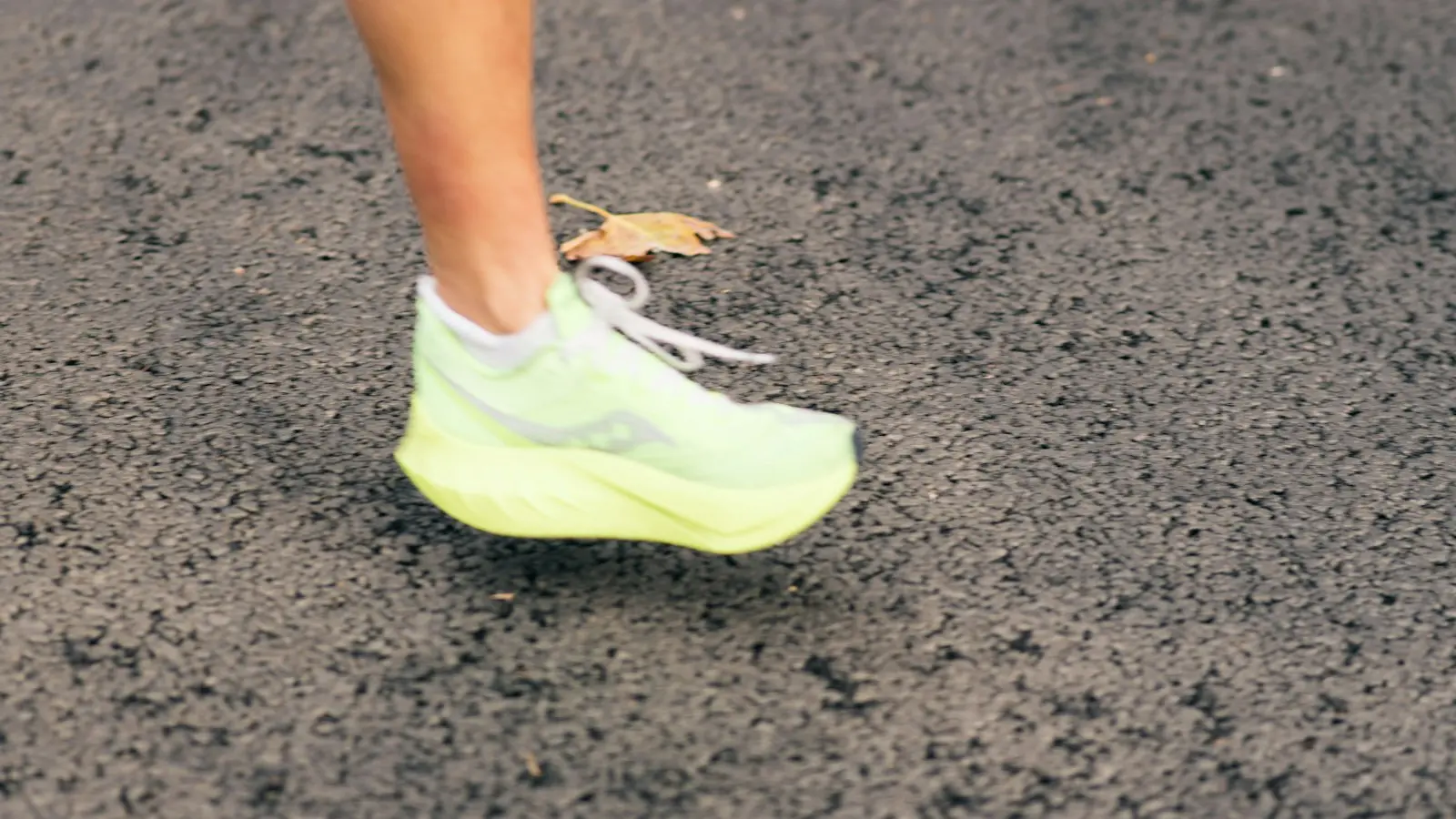
When beginners compare running shoes, the priority should be fit, comfort, intended use, and a manageable training plan—not finding a model that promises injury immunity. A comfortable shoe can make running more practical, but cushioning, stability features, and price do not guarantee that you will avoid pain.
The best starting point for running shoe selection is a pair that fits securely, suits the surface you use, and feels natural while walking and jogging. Training progression, recovery, previous injuries, strength, running mechanics, and sudden changes in terrain can influence injury risk as much as footwear.
Key Takeaways
- Start with fit, comfort, heel security, toe room, and the surfaces where you actually run.
- Treat neutral, stability, and maximal-cushion labels as design descriptions—not medical prescriptions.
- No shoe can guarantee injury prevention; gradual training, recovery, and conditioning also matter.
- Replace shoes based on changes in comfort, fit, traction, or structure rather than a fixed mileage deadline.
- Persistent pain, limping, numbness, swelling, or altered running form warrants professional assessment.
1. Start With Fit, Comfort, and Intended Use
The first question is not whether a shoe is neutral or stable. It is whether the shoe fits your foot without creating pressure, movement, or rubbing. How running shoes should fit varies by brand, model, width, and individual preference, so a label or size number is only a starting point.
Look for enough room in front of the longest toe to allow your foot to expand during a run. Your toes should be able to move rather than being pressed together, but your foot should not slide forward inside the shoe. A little extra space is generally more useful than a tight, fashion-style fit for running.
The heel should feel secure without being aggressively squeezed. If your heel lifts noticeably with each step, the shoe may be the wrong shape, width, or size. A snug midfoot can help hold the foot in place, but pressure across the arch or top of the foot is a sign that the fit is not working for you.
Try shoes with the socks you normally run in. If possible, shop later in the day, when feet may be slightly larger after ordinary activity. Walk in the shoes, then jog or perform a few easy movements. Pay attention to hot spots, pinching, slipping, numbness, and whether your stride feels forced.
Comfort is not just softness. It includes how easily you can move, whether the shoe bends or rolls in a way that feels natural, and whether the fit remains comfortable after several minutes. A shoe that feels impressive for 10 seconds but creates pressure during movement is not a good bargain.
Intended use matters before technical features. A runner doing short road sessions may want a different balance of flexibility and traction from someone covering long distances, running on rocky trails, or using a treadmill most of the week. Consider your usual surface, weather, running pace, typical distance, and expected weekly mileage before comparing marketing claims.
2. Compare Neutral, Stability, and Maximal-Cushion Shoes Carefully
Neutral shoes are a broad category designed without prominent guidance features intended to influence the foot’s motion. That does not mean every beginner needs a neutral shoe, or that neutral shoes are automatically more natural or safer. They are simply one design approach.
Stability shoes generally include construction intended to provide a more guided or supported feel. The feature may involve the shape of the midsole, differences in firmness, the platform, or other elements of the shoe. However, a stability label is not a diagnosis and does not prove that a runner needs correction.
A common mistake is choosing stability footwear solely because someone observes that the foot rolls inward, or because a generic foot-type chart recommends it. Foot movement is not automatically a problem, and a visual assessment alone cannot determine which shoe will be comfortable or appropriate. If you have a history of recurring injury or a significant change in movement, an individualized assessment is more useful than guessing from a category name.
Maximal-cushion shoes use a thicker or more protective-feeling platform. Some runners prefer the softer ride or reduced sensation of the ground, while others find a highly cushioned shoe unstable, heavy, or disconnected from the surface. Cushioning can change comfort and perceived effort, but it is not proof of lower injury risk.
The useful comparison between cushioning and stability shoes is a question of feel and function rather than medical protection. Ask whether the shoe feels comfortable over your normal distance, remains stable on your chosen surface, and has a weight and flexibility that suit your running. A firmer shoe may feel more controlled to one person, while another may prefer a softer platform.
This is why there is no single answer to the question of the best shoes for new runners. The strongest candidate is usually the pair that fits consistently, feels comfortable in motion, suits the surface, and can be purchased without creating financial pressure to keep using it after it becomes uncomfortable.
3. Separate Comfort From Guaranteed Injury Prevention
Comfort matters, but it should not be confused with guaranteed running shoe injury prevention. A comfortable shoe may make it easier to maintain a routine and may reduce obvious sources of irritation, such as rubbing or pressure. It cannot eliminate the effects of doing too much too soon.
Evidence about footwear features and injury risk is complicated and context-dependent. Different runners respond differently to the same design, and comparisons of shoe categories do not establish that one universal construction prevents injuries for everyone. Manufacturer descriptions of support, energy return, softness, or protection should be treated as product characteristics, not medical outcomes.
Training load is one of the more important variables a new runner can control. A sudden increase in distance, frequency, speed, hills, or intensity can exceed what the body is prepared to tolerate. A new surface or workout may also add stress, even when the shoes have not changed.
Recovery matters as well. Rest days, sleep, general conditioning, and gradual strengthening can affect how well the body handles running. If pain begins after a sharp change in training, switching between several pairs may not address the underlying issue.
Use this comparison checklist when making a decision:
- Does the shoe remain comfortable during walking and easy jogging?
- Is there adequate toe room without excessive foot movement?
- Does the heel stay secure without pressure or rubbing?
- Does the shoe suit your road, trail, or treadmill routine?
- Are the cushioning, firmness, flexibility, and weight comfortable at your usual distance?
- Is the price reasonable for your expected use?
- Can you increase training gradually while allowing recovery?
The last question belongs in a shoe guide because footwear is only one part of the system. A good shoe cannot compensate for an abrupt mileage jump, inadequate recovery, or running through symptoms that are changing your gait.
4. Match the Shoe to Surface, Weather, and Routine
Road shoes usually prioritize a smooth transition and an outsole suited to paved or relatively even surfaces. Trail shoes often add more pronounced traction, upper protection, and a platform designed for uneven ground. Those features may help with confidence and surface demands, but a rugged trail shoe is not automatically safer for ordinary road running.
On technical trails, outsole grip and protection from rocks may matter more than a very soft ride. On smooth paths, aggressive lugs can feel inefficient or uncomfortable. A shoe that works well for easy road miles may not provide the traction or stability you want on mud, loose gravel, roots, or steep descents.
Treadmill running has its own feel. The surface is consistent and predictable, but the belt, indoor temperature, pace, and lack of outdoor variation can make the experience different from road running. Many runners can use ordinary road shoes on a treadmill if they are comfortable, but the practical choice depends on the individual’s routine and preferences.
Weather can change the decision. Wet pavement increases the importance of reliable grip, while hot conditions may make upper breathability more noticeable. Cold weather, mud, and rocky terrain can affect traction, warmth, and durability. These are use-case questions, not reasons to assume that a heavier or more expensive shoe is always better.
If you regularly do different types of running, you may eventually prefer separate pairs for different surfaces or workouts. A beginner does not need a large collection, however. One comfortable, versatile pair is often enough to establish a routine before adding specialized footwear.
5. Test, Rotate, and Replace Shoes Using Practical Signals
Do not combine a major training increase with a completely unfamiliar shoe if you can avoid it. Introduce a new pair through walking and shorter, easier runs first. This gives you time to notice rubbing, pressure, unusual fatigue, or an uncomfortable change in how you move.
Rotation is optional. Some runners like having one pair for easy runs and another for different surfaces or workouts. Others prefer keeping the process simple. Rotating shoes may help with practical scheduling and personal comfort, but it should not be presented as a requirement for injury prevention.
There is no universal replacement date or exact mileage deadline. Durability depends on the construction, the runner, the surfaces, weather, body size, gait, and how the shoes are used. Instead of relying on a number alone, inspect the shoes regularly.
Replacement may be sensible when the outsole has lost important traction, the midsole looks compressed or uneven, the upper is damaged, or the fit has changed. Repeated rubbing or new discomfort that was not present when the shoes were fresh can also be a warning sign. The shoes may not look destroyed, but a meaningful change in comfort or function matters.
Keep notes about when you bought a pair and what types of running it has handled, but treat any mileage estimate as approximate. A lightly used shoe may last longer than one exposed to frequent wet trails, while a runner who trains daily may notice changes earlier.
Pain requires more than a product search when it persists, worsens, causes limping, produces numbness or swelling, or changes your running form. In those situations, reduce or modify activity as appropriate and seek assessment from a qualified healthcare professional rather than repeatedly switching shoes. A different model may be relevant, but it should not become a substitute for understanding ongoing symptoms.
FAQ
Do stability running shoes prevent injuries in beginners?
No shoe category can guarantee injury prevention. Stability shoes may feel more comfortable or controlled for some runners, but the label does not establish that every beginner needs one. Fit, comfort, training progression, recovery, surface, and individual history all matter.
How much toe room should running shoes have?
There should be enough space for the toes to move without pressing against the front of the shoe, while the heel and midfoot remain secure. The ideal amount varies by foot shape and model. Test the fit while standing and moving, using your normal running socks.
Should new runners choose more cushioning for injury prevention?
Not automatically. More cushioning can change the ride and may feel comfortable, but softness is not proof that a shoe prevents injuries. Choose the level of cushioning that feels stable and comfortable for your distance, surface, and running preferences.
The practical answer to how beginners should compare running shoes is straightforward: start with fit and comfort, match the shoe to your actual terrain and routine, and treat stability and cushioning as design choices rather than medical prescriptions. Then protect the investment with gradual training, adequate recovery, and professional assessment when pain does not settle.