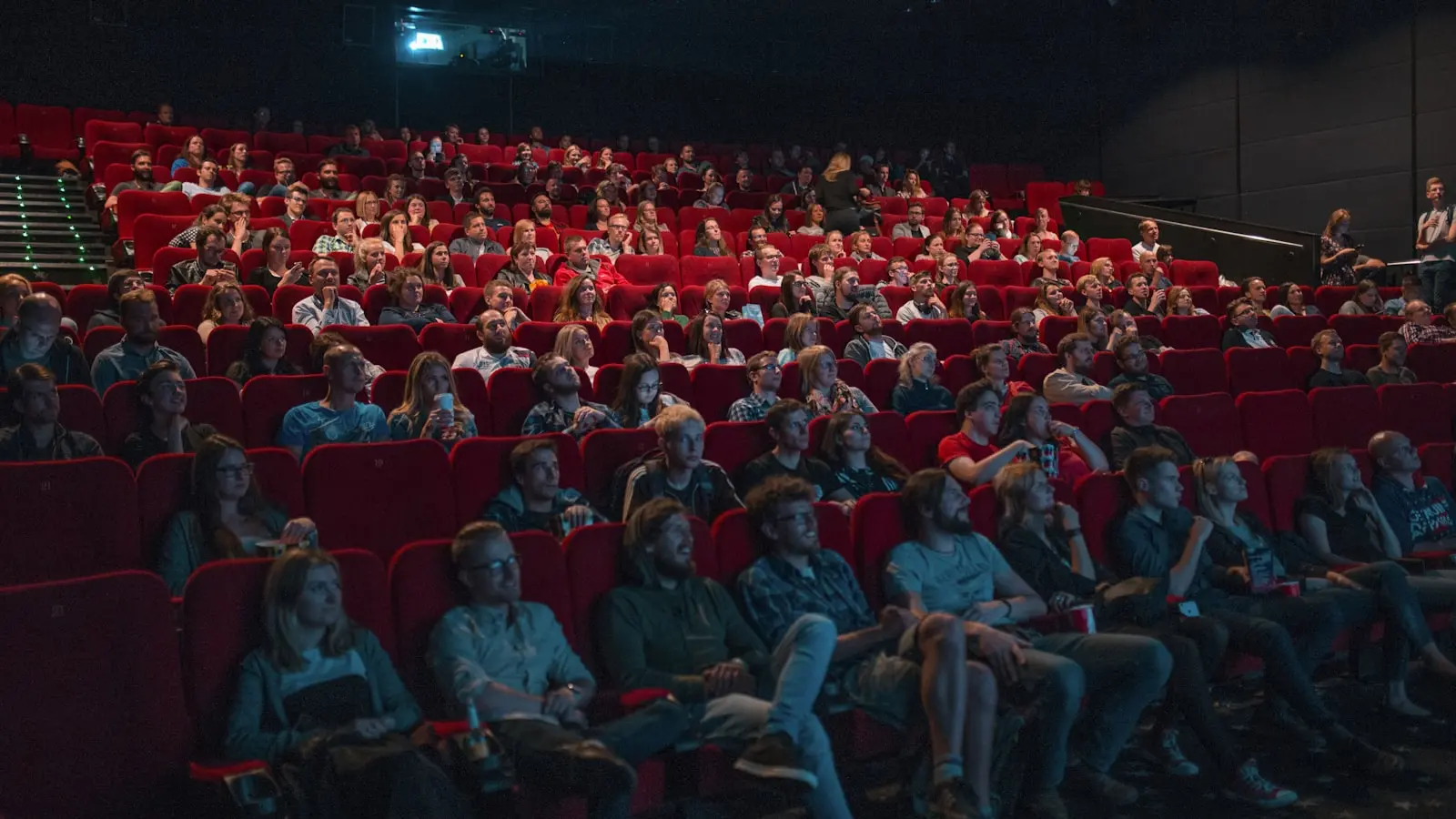
Many film viewers report that watching character-driven dramas leaves them feeling more attuned to others’ inner lives. This raises a question: can watching complex dramas actually improve your ability to understand what others think and feel? The short answer is that some evidence suggests a link between narrative engagement and cognitive empathy, but the effect depends on the film, how you watch it, and your own starting point. This article examines the psychological mechanisms, research findings, and practical steps you can take.
Key Takeaways
- Character-driven dramas activate brain regions involved in understanding others’ thoughts and feelings, particularly through mirror neurons and theory of mind processes.
- Research suggests short-term empathy boosts from film are possible, but lasting change likely requires repeated exposure and active reflection.
- Narrative complexity matters more than budget; indie films are not inherently better than blockbusters for empathy.
- Identifying with anti-heroes can enhance cognitive empathy without endorsing harmful behavior, but effects vary by individual.
- Active viewing techniques—discussion, reflection, and perspective-taking—amplify any empathy benefits from film.
How Complex Dramas Engage the Brain’s Empathy Circuitry
Cognitive empathy is the capacity to understand another person’s mental state — their thoughts, intentions, and beliefs — without necessarily sharing their emotions. Emotional empathy, by contrast, involves feeling what another feels. Complex dramas primarily target cognitive empathy by asking viewers to infer characters’ hidden motives.
When you watch a film with layered characters, your brain activates mirror neuron systems that fire both when you perform an action and when you observe someone else performing it. This mirroring helps you simulate the character’s experience. At the same time, theory of mind (ToM) processes kick in: you begin to track what each character knows, wants, and plans. A film that withholds information or presents conflicting perspectives forces your ToM to work harder.
Narrative transportation — the feeling of being absorbed into a story — deepens this engagement. When you are transported, you temporarily suspend disbelief and adopt the character’s goals as your own. This immersive state may strengthen the neural pathways involved in perspective-taking. While the exact duration of any change is unclear, the moment-to-moment cognitive work is real.
What Psychological Research Says About Fiction and Social Cognition
Several studies have found that frequent fiction readers tend to score higher on tests of theory of mind, such as the “Reading the Mind in the Eyes” task. Researchers have extended this line of inquiry to film. In controlled experiments, participants who watched a character-driven drama showed higher scores on empathy measures immediately afterward compared to those who watched a documentary or an action film. However, these effects are typically short-lived — lasting from minutes to hours.
It is important to distinguish between empathic arousal and lasting change. A single viewing may temporarily boost your ability to read emotions, but sustained improvement likely requires repeated exposure and active reflection. Most research to date is correlational, meaning people who already have strong empathy may simply choose to watch more dramatic films. Causation has not been firmly established. Control-group comparisons remain rare, and the existing evidence should be interpreted with caution.
Mid-Budget vs. Blockbuster: Does Budget Affect Empathy Potential?
A common perception among viewers is that lower-budget, indie dramas offer more realistic characters and therefore greater empathy benefits. Mid-budget films often have the creative freedom to explore moral ambiguity, long silences, and subtle facial expressions — elements that demand sustained cognitive engagement. Blockbuster spectacles, by contrast, may prioritize fast pacing and visual effects, leaving less room for complex character interiority.
No direct comparative studies have tested whether budget predicts empathy outcomes. What matters more is narrative complexity: films that present characters with conflicting motives, internal dilemmas, and gradual change are likely to engage theory of mind most effectively. A big-budget film can still be character-driven — something like The Social Network (which had a moderate budget by studio standards) is a strong example. The key is depth of characterization, not production scale.
The Anti-Hero Problem – Can Dark Characters Reduce Empathy?
Some viewers worry that spending time with manipulative or evil protagonists might backfire. If you identify with a character who lies, cheats, or harms others, could that reduce your own empathy? Research offers a nuanced answer. Understanding a dark character’s mind is a cognitive act — it does not automatically mean condoning their behavior. You can understand why a villain acts without adopting their moral framework.
However, repeated exposure to narratives that justify cruelty or frame violence as necessary may lead to moral disengagement, a process where you gradually stop feeling discomfort at harmful actions. Studies on video games and violent media suggest that habituation can occur, but film studies are less clear. The effect likely depends on the viewer’s pre-existing empathy levels and how the story frames the character. A film that presents an anti-hero’s flaws as tragic may stimulate empathy without approving the flaws. The line between cognitive understanding and emotional numbing is thin, and more research is needed.
Practical Guidance – Films and Habits That Maximize Empathy Gains
If you want to use film as a tool for cognitive empathy, choose movies that prioritize character development and moral complexity. Examples often cited in discussions include The Social Network (a nuanced portrayal of ambition and social intelligence), Nightcrawler (a chilling look at manipulation and media), and Manchester by the Sea (a deep study of grief and emotional withdrawal). Other films such as Moonlight, The Florida Project, and Marriage Story also offer rich interior landscapes.
How you watch matters as much as what you watch. Active viewing — pausing to consider why a character made a choice, discussing the film with others, or writing down your reflections — appears to strengthen the empathy effect. Pairing a film with guided conversation or a structured analysis can turn a passive experience into a cognitive workout. Even asking yourself “What would I do in their situation?” primes theory of mind.
Remember that film is a supplement, not a substitute. Real-world empathy develops through direct social interaction, active listening, and exposure to diverse perspectives. Cinema can open a window, but you still have to step through.
FAQ
1. Can watching any drama improve cognitive empathy, or are certain films better? While most character-driven dramas can activate theory of mind, films with morally complex or emotionally deep protagonists likely produce stronger engagement. There is no definitive list, but research suggests narrative complexity matters more than genre.
2. Does spending time with anti-heroes make you less empathetic in real life? Evidence is mixed. Some studies show that understanding a villain’s perspective can enhance cognitive empathy without endorsing their actions. However, repeated exposure to justified cruelty may desensitize some viewers. Individual differences play a large role.
3. How should I watch a film to get the most empathy benefit? Watch actively: pause to ask why a character acted, discuss with others, and reflect on how you would feel in their situation. Pairing viewing with guided discussion or journaling appears to strengthen any empathy effect.