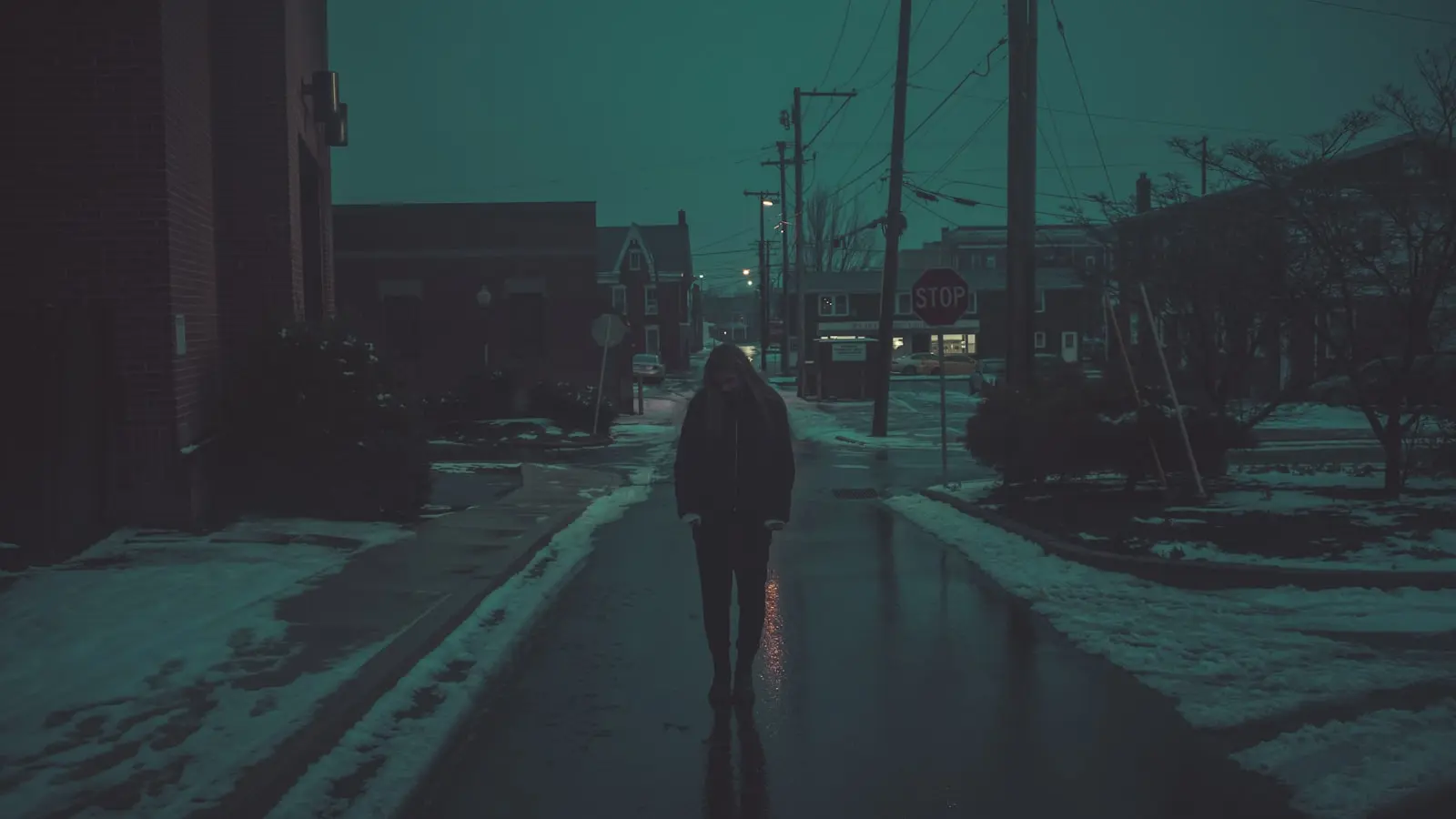
A short, easy-to-moderate evening walk may help some people feel less stressed after work and support sleep as part of a consistent routine. It is not a guaranteed sleep treatment. The outcome depends less on finding a perfect clock time than on pace, proximity to bedtime, surroundings, and your own response.
For many people, the main benefit is practical: a walk creates a clear boundary between the workday and the rest of the evening. Even a brief loop can provide time away from screens, unfinished tasks, and the feeling of still being on call.
Key Takeaways
- A 10-minute evening walk can be a realistic way to create a transition out of work mode.
- Easy or moderate walking is often more compatible with bedtime than vigorous late-day exercise, but individual responses differ.
- Use a conversational pace and adjust the timing, route, or duration if you feel wired or uncomfortable afterward.
- Indoor, seated, assisted, or adapted movement can serve the same transition purpose when an outdoor walk is impractical.
- Persistent sleep difficulty or concerning symptoms during activity warrant professional guidance.
Why an evening walk can create a useful boundary after work
Work stress can carry into the evening when there is no clear transition between closing a laptop and starting dinner, chores, caregiving, or more screen time. A brief walk interrupts that sequence and gives the evening a defined starting point.
The walking-after-work benefits may come from several simple factors. Gentle movement can ease physical restlessness after a seated or demanding day. Changing locations can reduce exposure to work cues, while a familiar route gives your attention something concrete and low-stakes to focus on.
A stress relief walk does not need to be fast, scenic, or long. Walking to the corner and back without checking messages may be enough. That approach is often more sustainable than treating the walk as another demanding item on a full to-do list.
Light activity may improve mood and reduce perceived tension for some people. It can also create a quiet period to let thoughts settle, listen to something calming, or notice the environment. These effects vary, and feeling calmer after a walk does not mean walking is a direct treatment for anxiety, chronic stress, or insomnia.
The most useful routine is usually the one with the least friction. Keep comfortable shoes accessible, choose one familiar route, and give yourself permission to stop after 10 minutes. A modest habit you repeat is more useful than an ambitious plan that rarely fits your schedule.
Can evening exercise affect sleep? Focus on intensity and personal response
Concern about evening exercise and sleep is understandable, but there is no universal cutoff time that suits everyone. An easy walk is also very different from a demanding late-day workout.
Regular physical activity is broadly associated with better sleep for many people. Still, the immediate effects of late-day exercise vary. A hard workout, steep uphill walk, competitive sport, or long session that leaves you overheated and energized may make it harder for some people to settle near bedtime.
An easy or moderate walk is more likely to fit an evening wind-down. A practical guide is the conversation test: choose a pace at which you can speak comfortably in full sentences. If you are breathing hard, feel revved up afterward, or need substantial recovery time, the activity may be more intense than you need for this goal.
A walk that happens before darkness may also add exposure to natural outdoor light, one of several cues involved in daily sleep-wake timing. That does not make an evening stroll a way to reset a disrupted schedule or cure sleep problems. Its more dependable value may be helping you keep a predictable routine.
Use your own response as the deciding factor. If walking leaves you mentally quieter, does not delay bedtime, and feels comfortable, it may be a good fit. If it leaves you alert, hot, unusually hungry, or uncomfortable, shorten it, slow down, or move it earlier.
A realistic 10-to-30-minute post-work walking routine
A post-work walking routine works best as an experiment, not a strict prescription. Start with 10 minutes on days when it is reasonably possible. That can establish a transition habit without making dinner, chores, or bedtime feel rushed.
Choose the timing with the least resistance. Some people prefer walking immediately after signing off, before sitting down and losing momentum. Others prefer a short walk before dinner, or an easy post-dinner stroll if it feels comfortable and does not bring them too close to bedtime.
Try this simple structure:
- Change out of work clothes or put away visible work items.
- Silence nonessential work notifications if your role allows it.
- Walk one short, familiar route for 10 minutes at a conversational pace.
- Extend toward 20 or 30 minutes only on days when it feels easy to do so.
- Return home and shift deliberately into lower-stimulation activities.
After the walk, drink water if you are thirsty and stretch lightly only if it feels good. There is no need to build a complicated recovery routine around a short walk. More useful may be lowering household stimulation, avoiding work tasks, and following a familiar pre-bed pattern.
Consistency does not require every day to look the same. A five-minute indoor loop on a busy evening can preserve the signal that work has ended. On a less crowded day, 20 or 30 minutes may feel restorative. The best duration is the one that fits often enough to become routine.
How to tell whether a late walk is helping or overstimulating you
Do not assume a walk is helping simply because it sounds healthy. Test the routine for one to two weeks and look for a pattern. A brief note on your phone or paper is enough.
Record the walk’s duration, rough pace, and end time. Then note how alert you feel before bed, whether it seemed easy to fall asleep, whether you woke unusually often, and how you felt the next morning. Also note soreness, pain, digestive discomfort, or unusual hunger.
Signs the routine may be a good fit include feeling mentally settled, keeping your usual bedtime, and being able to repeat the habit without dread. It may also be useful if the walk reduces the urge to keep checking work messages or spend the entire evening sitting in one place.
Modify the routine if you feel wired at bedtime, physically overheated, very hungry, or uncomfortable. First try a slower pace, flatter route, or shorter duration. If that does not help, move the walk earlier, choose an indoor alternative, or reserve longer and more vigorous activity for another time of day.
An evening walk can be a supportive habit, not a substitute for evaluating persistent or severe sleep problems. If sleep difficulty is ongoing, significantly affects daytime functioning, or occurs with other concerning symptoms, professional assessment can help identify appropriate next steps.
Make the habit workable and safe in darkness, bad weather, or limited mobility
An outdoor evening walk is optional, not a test of commitment. If it is dark, the route feels unsafe, weather is poor, or time is limited, choose an alternative that preserves the transition without adding risk or stress.
For after-dark walking, favor familiar, well-lit routes when possible. Wear clothing that is easier for drivers and others to see, consider carrying a light, stay attentive around crossings and driveways, and remain aware of your surroundings. If a route feels isolated, poorly lit, unfamiliar, or traffic-heavy, an indoor option is the better choice.
Practical alternatives include walking laps at home, using a hallway or stair-free corridor, moving around a building during a break, or walking in an indoor public space when available. Gentle mobility exercises, seated movement, or an assistive-device-supported route may be more suitable for some people.
Accessibility matters as much as duration. Uneven pavement, steep hills, cold temperatures, fatigue, joint discomfort, and mobility limitations all affect what feels safe and sustainable. Adapt the surface, pace, location, and length to your comfort rather than trying to match someone else’s routine.
Seek professional guidance before changing activity if you have chest symptoms, unexplained shortness of breath, dizziness, significant mobility pain, or a health condition with activity restrictions. Stop activity and seek timely medical attention for concerning symptoms rather than trying to push through them.
FAQ
Is it okay to walk after dinner before bed?
For many people, an easy walk after dinner is comfortable and can be a pleasant transition into the evening. Keep the pace gentle and pay attention to reflux, stomach discomfort, and how close the walk is to bedtime. If it seems to delay sleep or leaves you energized, walk earlier, slow down, or shorten the route.
How long should an evening stress relief walk be?
Ten minutes is a valid starting point. If it fits comfortably, build toward 20 to 30 minutes on some days, but do not force a longer session to make it count. For stress and sleep, a repeatable routine is generally more useful than an occasional strenuous effort.
Can a short evening walk cure insomnia?
No. It may support a calmer routine and a healthier activity pattern, but it is not a cure for insomnia. Persistent insomnia deserves evidence-based evaluation and care, particularly when it affects daytime functioning or continues despite basic routine changes.