What Is the Best Training Plan for the Annapurna Circuit Trek
The Reddit Consensus on Pre Trek Conditioning
When a traveler completes the Annapurna Circuit and takes to Reddit to share advice, the message is consistent: prepare physically or pay the price on the trail. The 21 day journey is not a casual walk. It crosses varied terrain from subtropical forests to arid high altitude deserts. The single most emphasized factor in these community discussions is lower body endurance. Stair climbing with a daypack, lunges, squats, step ups, and calf raises form the core of every recommended regimen. Users who neglect this phase report fatigue, falls, and knee injuries that turn the trek into a survival exercise. (The pattern is so common that experienced trekkers now treat leg strength as non negotiable.)
Why Leg Strength Dominates the Discussion
The Annapurna Circuit includes steep ascents and long descents on uneven ground. Climbers tackle Thorung La Pass at 5,416 meters (17,769 feet) — an elevation gain equivalent to stacking 1,800 flights of stairs. Weak legs cannot sustain the repeated eccentric loading of downhill sections. Reddit threads describe situations where untrained hikers develop patellar tendonitis or quadriceps strains within the first week. The result is reduced pace, increased fall risk, and often early evacuation. Calf raises and step ups target the specific muscle groups used on rocky staircases and moraine slopes. Squats build the power required for heavy pack carries over switchbacks. Lunges mimic the single leg balance needed on narrow trails. (No amount of gear can compensate for a body that cannot hold the position.)
Cardiovascular Demands at Altitude
Lower body work alone is not sufficient. The Reddit community consistently pairs strength training with cardiovascular conditioning. Jogging, cycling, and hiking with a weighted pack improve aerobic capacity and help the body cope with reduced oxygen at altitude. The recommended baseline is the ability to sustain moderate effort for 7 to 8 hours per day. Without this foundation, hikers experience early onset of altitude sickness symptoms or severe fatigue that clouds decision making. A post from a frequent contributor noted that “cardio is what keeps you from panicking when the oxygen drops.” (The panic itself is dangerous — it wastes energy and increases mortality risk.)
The Eight to Twelve Week Preparation Window
Timing matters. Experienced trekkers on Reddit advise starting training at least 8 to 12 weeks before departure. This allows gradual adaptation without injury. The progression is simple: begin with bodyweight exercises and light cardio, then incrementally add weight to a daypack. A typical schedule might include stair climbing with 10 to 15 kilograms (22 to 33 pounds) by week six. The load should simulate the pack weight carried on the actual trek. (Packing extra gear just for training misses the point — the weight must match the real journey.) Users caution against rushing this timeline. Two months of consistent effort produces a measurable difference in trail performance. One month or less often leaves the body underprepared for the cumulative strain of 21 days.
Core Strength and Downhill Control
Beyond legs and lungs, core strength becomes a focal point. Reddit discussions highlight its role in balance and downhill control. A stable core allows a hiker to absorb shocks through the hips rather than the knees. It also improves posture under a heavy pack, reducing the load on the lower back. Planks, Russian twists, and dead bugs appear in multiple training threads. The connection is straightforward: weak cores lead to sway and compensatory movements that waste energy and increase fall probability. On the Annapurna Circuit, a single misstep on a loose scree slope can end the trek. (Core work is cheap insurance against that scenario.)
Trekking Poles and Simulation
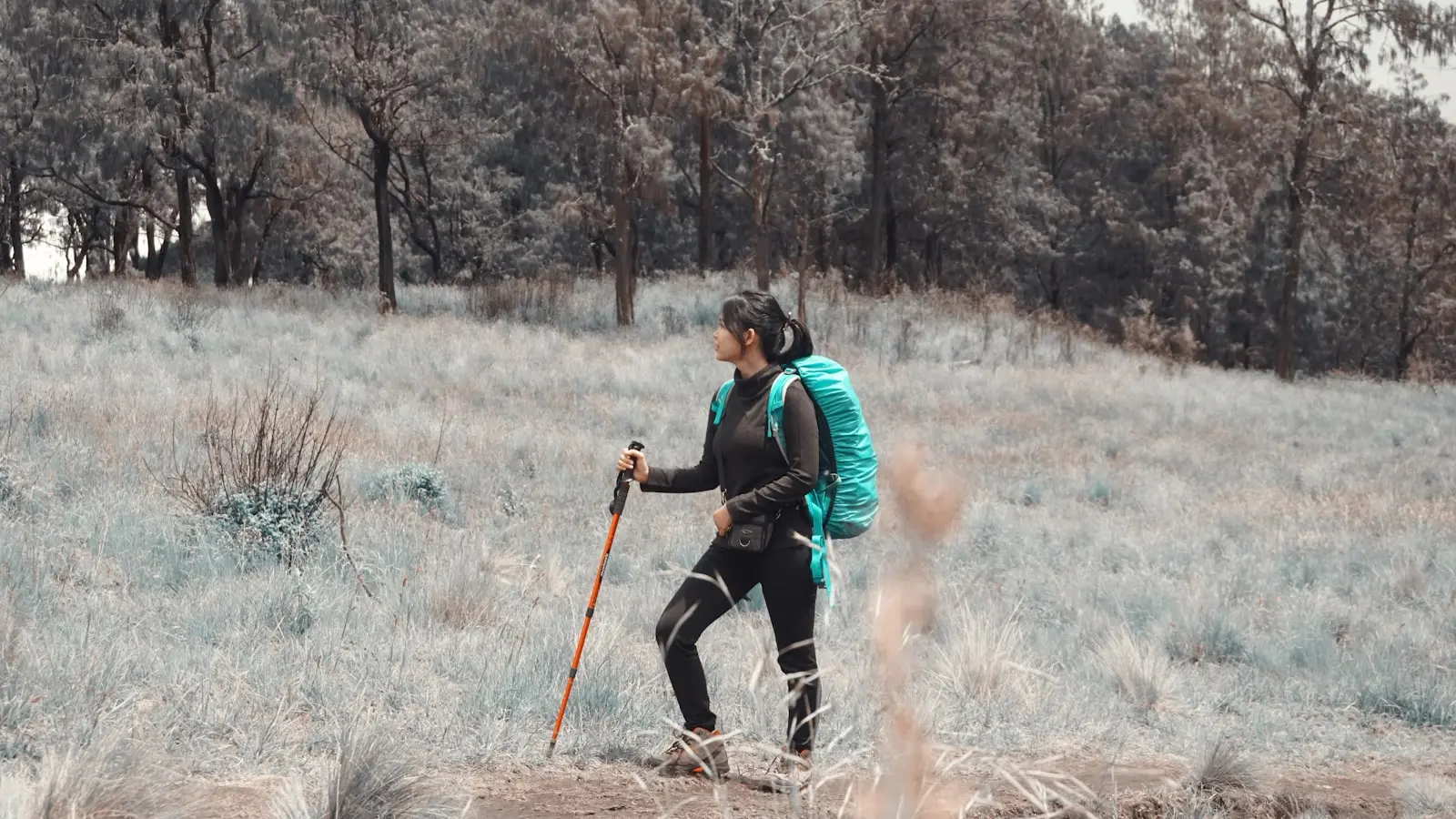
Poles are not an afterthought. Many Reddit users recommend incorporating trekking poles into training sessions to mimic actual conditions. Pole use alters gait mechanics and engages the upper body in propulsion and braking. Training without poles then relying on them on the trail can produce unfamiliar shoulder and arm fatigue. Users suggest practicing with poles on stair climbs or uphill hikes for at least two weeks before departure. The same applies to footwear — break in boots during training to prevent blisters and hot spots. (A pair of boots that feels fine in the living room can destroy feet on day three.)
Final Considerations
The Reddit traveler’s advice is grounded in observable outcomes. Those who follow the training plan — stair climbing, lunges, squats, step ups, calf raises, cardio, core work, and pole practice — report completing the circuit with manageable soreness rather than injury. Those who ignore it recount tales of hobbling into villages and hiring porters to carry their packs. The data from community posts is clear: preparation separates a memorable achievement from a costly ordeal. The Annapurna Circuit is not a test of courage; it is a test of preparation. (And preparation starts with the exercises listed above, repeated week after week until the body adapts.)