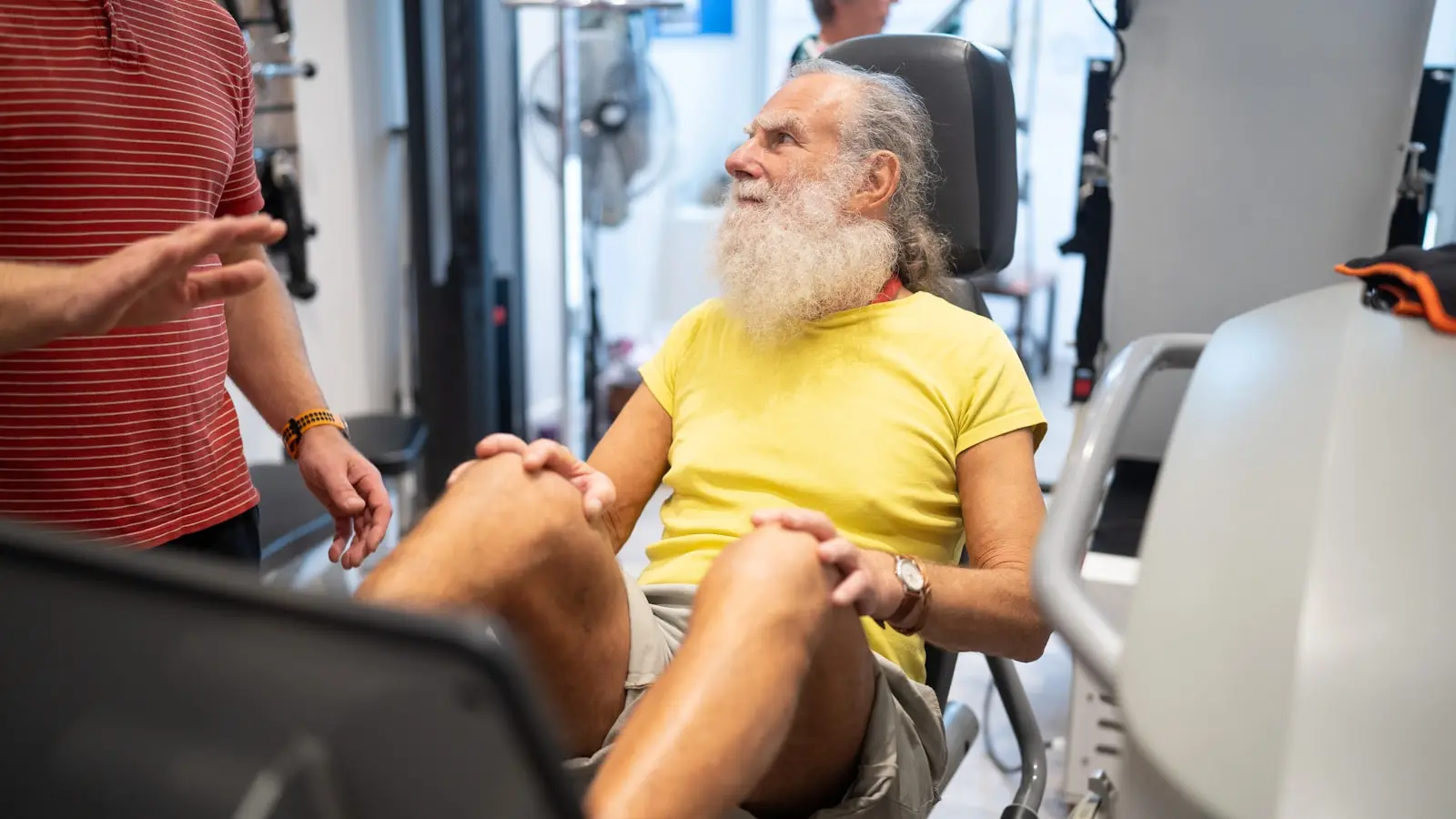
Athletes over 40 face a different physiological landscape than their younger peers. Hormonal changes, particularly a gradual decline in testosterone and growth hormone, slow muscle protein synthesis. Recovery capacity diminishes as tendon elasticity decreases and joint health becomes more fragile. Injury risk climbs, especially for shoulders, knees, and lower back. The psychological shift from chasing performance peaks to prioritizing long-term function is real. This does not mean strength gains stop, but the training logic must change. The optimal strength training approach for athletes over 40 is not about doing more, but doing smarter.
Key Takeaways
- Train 2–4 days per week using full-body or upper/lower splits to allow adequate recovery.
- Perform 3–4 sets of 6–12 reps with 2–3 minutes rest, emphasizing form over load.
- Prioritize compound lifts with joint-friendly variations: goblet squats, chest-supported rows, incline dumbbell press.
- Cycle volume and intensity every 4–6 weeks to prevent plateaus and overtraining.
- Consume 1.6–2.2 g/kg of protein daily and never skip warm-ups or deload weeks.
Why Strength Training After 40 Requires a Different Approach
Hormonal changes reduce the body’s ability to synthesize muscle protein, making recovery slower and injury risk higher. Tendons lose elasticity, joints may ache, and the nervous system takes longer to rebound from heavy loads. Instead of fighting these changes, smart programming works with them. The shift from performance-at-all-costs to longevity means adjusting frequency, volume, and exercise selection. The best routines for master athletes prioritize joint health, full-body movements, and deliberate rest.
Core Principles of an Evidence-Based Program for Aging Athletes
Frequency of two to four training days per week, with at least one full rest day between sessions, allows the body to recover sufficiently. Full-body splits work well for three-day schedules; upper/lower splits suit four-day plans. Volume and intensity need moderation: three to four sets of six to twelve reps with loads that feel challenging but clean. Longer rest periods, around two to three minutes between heavy sets, support strength development without overstressing the nervous system. Periodization is essential—cycling volume and intensity every four to six weeks prevents plateaus and overtraining. Mobility work is non-negotiable: a dynamic warm-up with hip openers, thoracic rotations, and soft tissue prep primes the body for lifting. General guidelines from sports medicine organizations support these parameters for aging athletes.
The Best Exercises for Athletes Over 40
Compound movements remain the foundation: squats, deadlifts, bench press, and rows. But form takes priority over the number on the bar. Joint-friendly variations reduce risk. Goblet squats and box squats build leg strength while sparing the lower back. Chest-supported rows eliminate spinal shear and strengthen the upper back. Incline dumbbell press is gentler on the shoulders than flat barbell bench. Unilateral work—reverse lunges, split squats, single-leg Romanian deadlifts—addresses imbalances and improves balance, which declines with age. Controlled eccentrics (lowering phases lasting two to three seconds) enhance tendon strength without high impact. For explosive power, moderate-velocity concentric movements like kettlebell swings or medicine ball throws can be added once foundational stability is solid.
Structuring a Weekly Training Schedule
Sample three-day full-body split (Monday, Wednesday, Friday):
- Day A: Goblet squats, incline dumbbell press, chest-supported row, reverse lunges, plank
- Day B: Deadlifts (or trap bar deadlifts), overhead press (seated or standing), pull-ups or lat pulldowns, single-leg Romanian deadlifts, farmer carries
- Day C: Box squats, dumbbell bench press, bent-over rows, split squats, core rotation work
Sample four-day upper/lower split (Monday, Tuesday, Thursday, Friday):
- Monday (Upper): Incline bench press, chest-supported row, overhead press, face pulls
- Tuesday (Lower): Goblet squats, Romanian deadlifts, reverse lunges, calf work
- Thursday (Upper): Dumbbell bench press, pull-ups, lateral raises, tricep pushdowns
- Friday (Lower): Trap bar deadlifts, split squats, hamstring curls, glute bridges
Warm-up: five to ten minutes of dynamic mobility (leg swings, cat-cows, hip circles, band pull-aparts). Cool-down: static stretching of worked muscles plus foam rolling for tight areas. Deload every fourth week by reducing volume by 30 to 40 percent or dropping intensity to RPE 5-6. Signs of cumulative fatigue include persistent soreness, poor sleep, and declining performance.
Nutrition and Recovery: The Overlooked Pillars
Protein intake should be 1.6 to 2.2 grams per kilogram of body weight daily, spread across three to four meals. Whey or plant-based protein around workouts can help, but total daily intake matters most. Sleep is the primary recovery tool—seven to nine hours per night supports hormone regulation and tissue repair. Stress management through low-intensity activity, meditation, or hobbies keeps cortisol in check. Hydration and a diet rich in omega-3s and vitamin D may aid joint health, but avoid unverified supplements promising miracles. Post-workout nutrition within two hours is helpful but not urgent if overall calories are adequate.
Common Mistakes That Sabotage Progress
Doing too much too soon is the top error. Adding volume or intensity too quickly leads to injury or burnout. Chasing the pump instead of progressive overload—adding weight or reps systematically—limits long-term gains. Skipping mobility and warm-up is tempting but costly; cold tendons tear more easily. Ignoring early joint pain often turns minor issues into chronic problems. Athletes over 40 must distinguish between muscle soreness and joint pain. If a movement feels sharp or grinds, modify or replace it. Finally, neglecting deload weeks stalls adaptation and increases overtraining risk.
Frequently Asked Questions
How often should an athlete over 40 lift weights? Two to four days per week with at least one full day between sessions. Full-body or upper/lower splits are recommended.
Should I switch to lighter weights and higher reps? Not necessarily. Moderate loads in the 6–12 rep range with good form are effective for muscle growth and joint safety. Lighter weights with very high reps can be used for endurance or rehabilitation but are not optimal for strength maintenance.
Can I still build significant muscle after 40? Yes. Consistent training, adequate protein, and proper recovery support muscle hypertrophy at any age. Gains may be slower but remain achievable with a well-structured program.