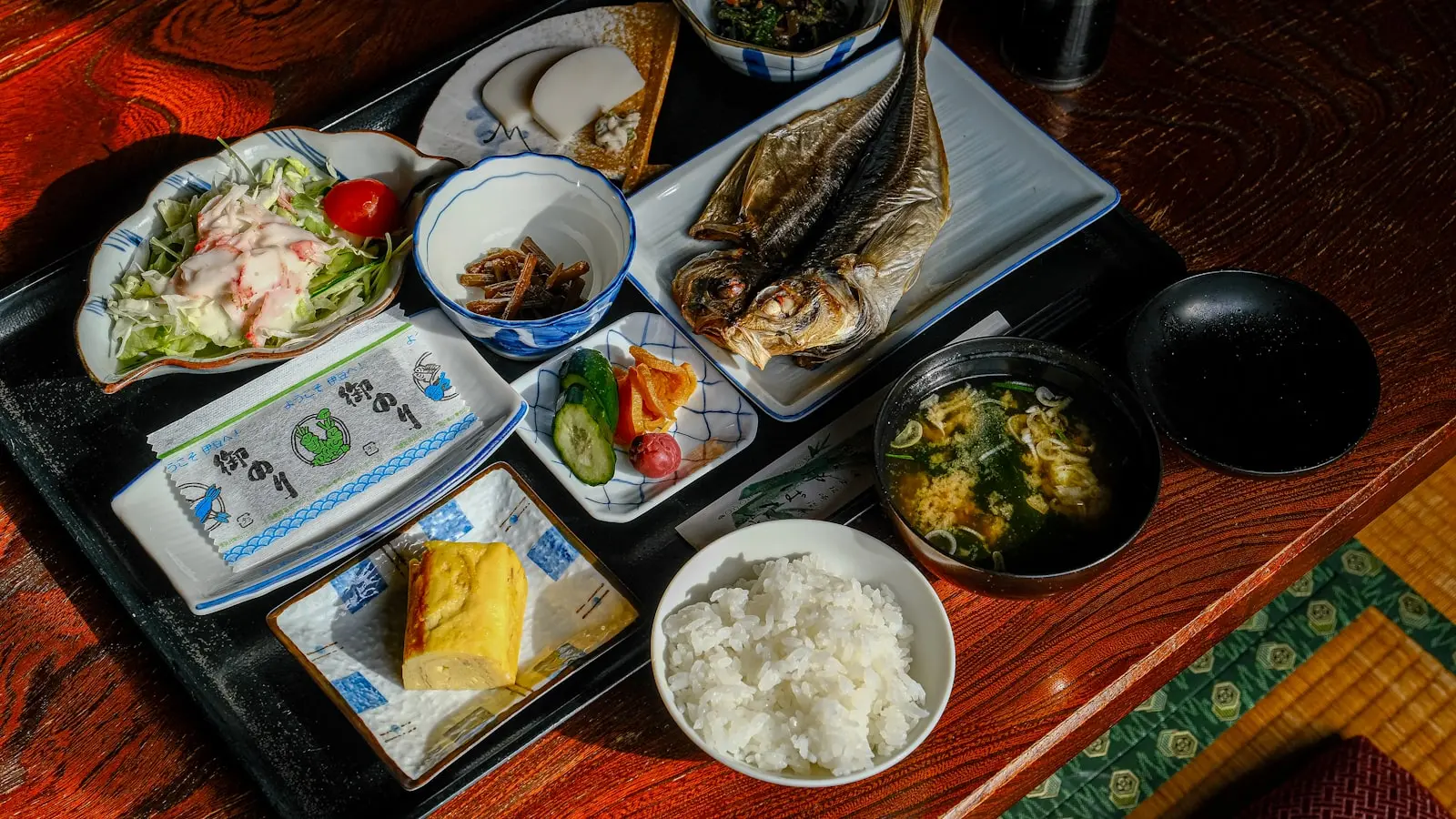
Why Local Japanese Foods Are Ideal for Post-Hike Recovery
After a strenuous day on trails like the Japanese Alps or Nikko, your body needs specific nutrients. Protein repairs micro-tears in muscle tissue. Carbohydrates replenish glycogen stores depleted during hours of climbing and descending. Anti-inflammatory compounds help manage soreness. Japanese cuisine, built around whole foods like fermented soy, fish, and rice, naturally checks these boxes. The best part: these foods are not confined to specialty restaurants. They are standard fare at every convenience store (conbini) and small-town eatery across Japan. This makes finding proper recovery foods after hiking Japan straightforward, provided you know what to look for.
Key Takeaways:
- Japanese convenience stores stock recovery-friendly staples such as miso soup, soba, onigiri, grilled fish, natto, and edamame.
- Eating within one hour of finishing your hike optimizes glycogen replenishment and muscle repair.
- Prioritize lighter, nutrient-dense foods (e.g., grilled fish, edamame) over heavy ramen or tempura to speed recovery.
- Many of these options naturally combine protein, complex carbs, and anti-inflammatory compounds.
Carb-Rich Starters: Miso Soup and Soba Noodles
Miso soup is a practical first step in your post-hike meal. The fermented soybean paste provides carbohydrates and beneficial enzymes that may aid digestion. Tofu cubes in the soup add a modest amount of protein. The warm broth also helps rehydration after hours of exertion. Instant miso soup packets are available at any convenience store; just add hot water from the store’s dispenser.
Soba noodles offer a more substantial carb source. Buckwheat noodles, especially the 100% buckwheat variety (juwari soba), provide complex carbohydrates that release energy slowly. They also contain B vitamins, which play a role in converting food into usable energy. Cold zaru soba with a dipping sauce is a light yet satisfying option that requires no reheating. Many conbini sell pre-packed zaru soba in the refrigerated section.
Protein Powerhouses: Grilled Fish, Natto, and Edamame
Grilled fish is a staple of Japanese convenience store bento boxes. Salmon and mackerel are common choices. They deliver lean protein for muscle repair along with omega-3 fatty acids, which are known for their anti-inflammatory properties. The grilling process also makes the fish easy to eat on the go. Look for pre-grilled fillets near the bento section or at supermarket deli counters.
Natto is a more acquired taste but a nutritional powerhouse. These fermented soybeans are rich in protein and vitamin K2. The fermentation process introduces probiotics that support gut health, which can be disrupted by trail snacks and changes in routine. Mix the natto with the included mustard and soy sauce, stir until stringy, and eat over rice. It is widely available in three-packs at any conbini refrigerator.
Edamame provides plant-based protein, fiber, and antioxidants. The young soybeans are often served salted and can be eaten as a snack or side dish. They are sold in the refrigerated section of convenience stores and are also common at izakaya pubs after a hike.
Portable Post-Hike Snacks: Onigiri and More
Onigiri (rice balls) are the ultimate portable recovery snack. The rice provides simple carbohydrates that are quickly absorbed to replenish glycogen. Fillings such as tuna mayo, salted salmon, or umeboshi (pickled plum) add protein and electrolytes. Onigiri are sold at every convenience store, typically wrapped in seaweed to keep them fresh.
Other quick options include almond kozakana (dried fish and almonds), which offers protein and healthy fats in a small package. Dried sweet potato sticks provide quick-digesting carbohydrates and are often found in the snack aisle. These items are not typical recovery foods in Western sports nutrition, but they fit perfectly into the Japanese hiking context.
What to Avoid After a Hike (and Why)
A bowl of rich ramen may seem tempting after a long day, but it is not ideal for recovery. Ramen broth is typically high in sodium, and the noodles are refined wheat. The combination can lead to water retention and a sluggish digestive process, delaying nutrient absorption. A small portion as a treat is fine, but relying on it as your primary recovery meal works against your body’s needs.
Tempura is another common post-hike temptation. The deep-fried batter adds excess oil and calories, which can slow digestion and contribute to inflammation. If you want to try tempura, save it for a non-hike day. Your body needs lighter, nutrient-dense foods first. The goal is to optimize recovery, not to indulge in heavy cooking methods.
Frequently Asked Questions
Can I find these foods at a Japanese convenience store? Yes. Miso soup, zaru soba, onigiri, edamame, natto, and pre-grilled fish are standard items at 7-Eleven, Lawson, and FamilyMart. Regional variations exist, but these staples are widely available.
How soon after hiking should I eat? General sports nutrition guidelines recommend eating within one hour after exercise. This window is when your muscles are most receptive to glycogen replenishment and protein repair. A small snack like an onigiri immediately after the trail can bridge the gap to a full meal later.
Is it okay to eat raw fish after hiking? Sashimi provides high-quality protein and omega-3s, but freshness matters. If you buy from a reputable source like a supermarket or a busy sushi counter, raw fish is safe. However, grilled fish is often a simpler and equally beneficial choice, especially if you are not familiar with local raw fish handling practices.