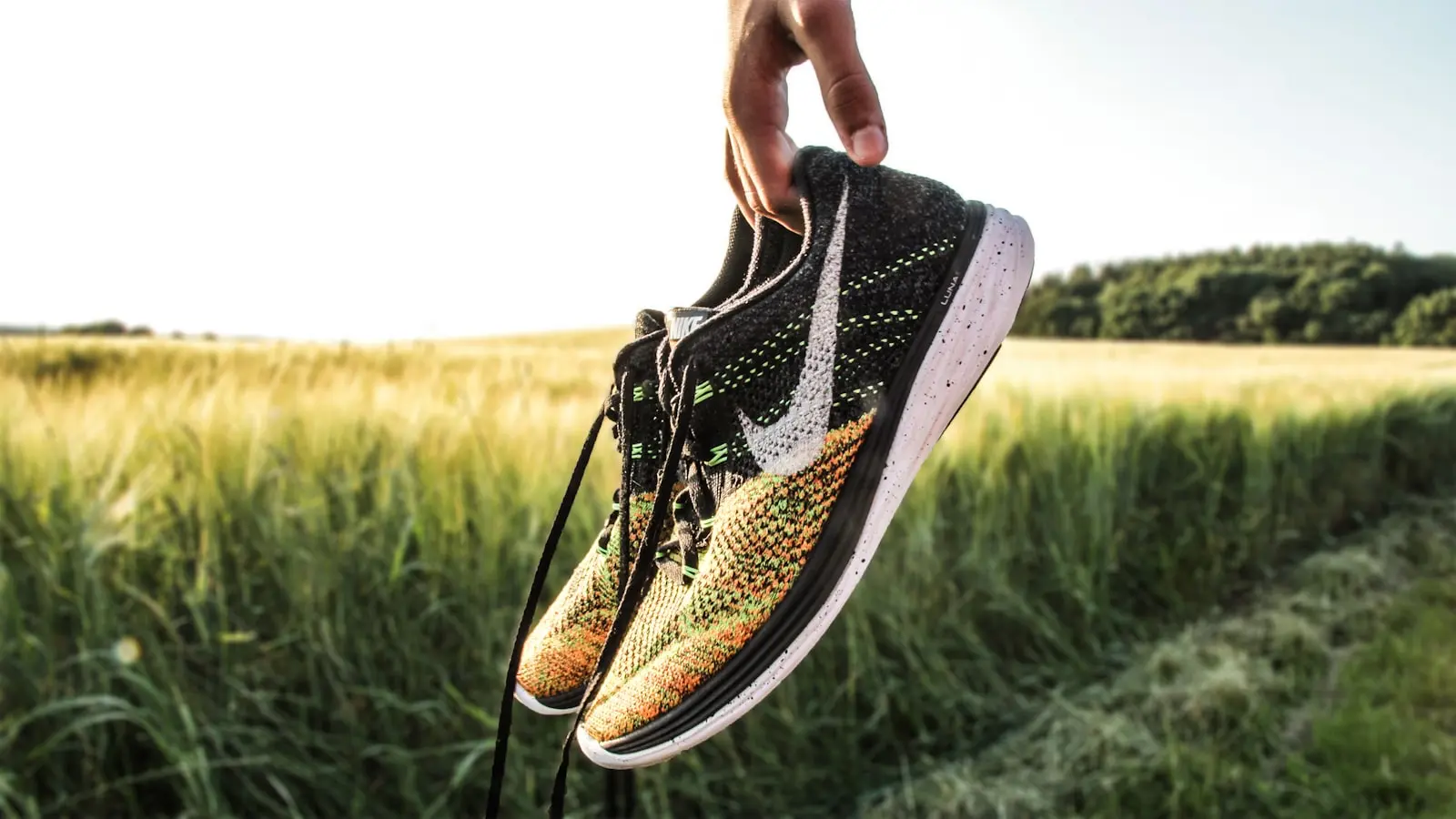
Many new runners believe reliable running shoes cost over $150. That is no longer true. Several models under $100 now deliver cushioning, durability, and fit that rival premium trainers from a few years ago. The key is knowing what to look for and which shoes match your beginner needs.
Key Takeaways
- Budget running shoes under $100 now offer cushioning and durability comparable to premium models from just a few years ago.
- Focus on fit, cushioning type, and support level rather than price alone when choosing your first pair.
- Top picks include New Balance Fresh Foam X Evoz v4, Reebok Zig Dynamica 5, New Balance Fresh Foam 680v9, Brooks Revel 8, and ASICS Versablast 4.
- Buying last year’s model or using discount codes can save 20–30% on already affordable shoes.
- Replace shoes every 300–400 miles to maintain injury protection.
What to Look for in a Budget Beginner Running Shoe
Before picking a specific model, understand the trade-offs at this price point. Budget running shoes typically use simpler foam compounds and fewer overlays, but the gap to premium models has narrowed significantly.
Cushioning type matters for comfort and longevity. Basic EVA foam is firm and durable but lacks bounce. Modern blends like New Balance Fresh Foam X or Brooks DNA Loft v2 offer softer landings without a big weight penalty. For easy daily runs, a cushioned but not overly plush ride is ideal.
Support level depends on your foot strike. Most beginners are neutral runners, but many have mild overpronation. If you see significant inward ankle roll in old shoes, a mild stability shoe like the New Balance Fresh Foam 680v9 provides a slightly firmer medial post. Otherwise, stick with neutral models.
Durability is a hidden concern. Budget shoes often compensate with thicker carbon rubber outsoles that can outlast the foam. Look for full-length outsole coverage rather than exposed foam, especially under the heel and forefoot.
Fit should never be compromised. Budget does not mean narrow. Many models now offer wide sizes. Always leave a thumb’s width from your longest toe to the front of the shoe. Your feet will swell during runs, so a snug fit at the store becomes too tight after three miles.
Weight typically ranges between 9 and 11 ounces for men’s sizes. Lighter shoes reduce fatigue, but beginners should prioritize comfort over a few tenths of an ounce. A shoe that weighs 10.5 ounces but fits well is better than a 9-ounce shoe that pinches.
Heel-to-toe drop is often between 8 and 12 mm in this category. A higher drop (10–12 mm) reduces strain on the Achilles, which can be helpful for new runners who tend to heel-strike. Lower drops encourage a midfoot strike but require more calf flexibility.
The 5 Best Budget Running Shoes Under $100 in 2026
These five models consistently earn strong reviews for their value, comfort, and build quality. Prices are approximate and may vary by size and color.
New Balance Fresh Foam X Evoz v4 (~$90) This shoe uses the same Fresh Foam X compound found in New Balance’s premium line. The ride is soft and responsive without feeling mushy. At 10.4 ounces for men’s sizes and an 8 mm drop, it works well for easy daily mileage. The outsole rubber covers most of the forefoot and heel, which helps it last 300–400 miles. Wide sizes are available. Beginners who want a plush first shoe will appreciate the forgiveness on pavement.
Reebok Zig Dynamica 5 (~$90) The Zig Dynamica 5 stands out for its traction and retro styling. The outsole provides strong grip on wet surfaces, a plus for new runners who may not adjust pace for slippery conditions. The ZigTech foam is firmer than Fresh Foam X but returns energy well during steady runs. Weight is about 10.2 ounces for men’s, drop is 10 mm. The breathable upper and padded tongue make it comfortable for walks as well as runs. It is a versatile daily trainer that also looks good off the road.
New Balance Fresh Foam 680v9 (~$85) This is an updated version of a long-running budget series. The Fresh Foam midsole is a bit firmer than the Evoz v4, offering more stability for mild overpronation. Weight is around 10.5 ounces for men’s, drop is 12 mm. The higher drop reduces calf strain, which helps beginners avoid early soreness. The 680v9 also comes in wide sizes. It is a reliable, no-surprises shoe that can handle 300–400 miles without significant loss of cushioning.
Brooks Revel 8 (~$100) Brooks DNA Loft v2 foam provides a balanced feel – soft enough for easy runs but responsive enough for occasional speedwork. The Revel 8 weighs about 10.1 ounces for men’s and has a 10 mm drop. The upper is engineered mesh with good breathability. This shoe fits true to size and suits neutral runners. It is slightly less durable in the outsole than the New Balance options, but the ride quality is superior for the price. Beginners who plan to mix walking and running will enjoy the versatility.
ASICS Versablast 4 (~$80) At the lowest price point, the Versablast 4 uses a simple EVA midsole. It is firm but not harsh. The weight is about 10.0 ounces for men’s, drop is 10 mm. There are no stability features, so it is best for neutral runners. The outsole has a thick rubber layer under the heel, which is where most new runners land first. This shoe lacks the plush feel of the others, but it offers reliable performance for under $80. It is a good option if budget is the primary constraint and you are willing to sacrifice some comfort.
Quick Comparison: Specs at a Glance
| Model | Price | Cushioning | Weight (men’s) | Drop | Best For |
|---|---|---|---|---|---|
| New Balance Fresh Foam X Evoz v4 | ~$90 | Fresh Foam X (soft) | 10.4 oz | 8 mm | Plush comfort, wide feet |
| Reebok Zig Dynamica 5 | ~$90 | ZigTech (bouncy) | 10.2 oz | 10 mm | Traction, style, daily runs |
| New Balance Fresh Foam 680v9 | ~$85 | Fresh Foam (firm) | 10.5 oz | 12 mm | Stability, mild overpronation |
| Brooks Revel 8 | ~$100 | DNA Loft v2 (balanced) | 10.1 oz | 10 mm | Versatility, comfort |
| ASICS Versablast 4 | ~$80 | EVA (firm) | 10.0 oz | 10 mm | Lowest price, neutral runners |
How to Score Deals on Older Models and Save More
If you want to stretch your budget even further, the previous generation of these shoes often sells for $50–$70. The New Balance Fresh Foam 680v8, Brooks Revel 7, and ASICS Versablast 3 are still widely available at discount retailers.
Sign up for newsletters from Running Warehouse, Dick’s Sporting Goods, or the brand directly. A first-purchase code of 10–15% off can bring a $100 shoe down to $85.
Check clearance sections at REI and Fleet Feet for last-season colors. The shoe is identical to the current version, only the color is different. Many beginners overlook this simple way to save $20–$30.
Try on the current model in a store to confirm fit and size. Then search online for the previous generation or a different color. Amazon and eBay often have listings from reputable sellers, but make sure the seller is an authorized retailer to avoid counterfeits.
Common Beginner Running Shoe Mistakes (and How to Avoid Them)
Buying too small is the most frequent error. Your foot lengthens and spreads when you run. If the shoe feels snug at the store, it will cause blisters or black toenails after a few miles. Always leave a thumb’s width from the longest toe.
Ignoring foot type leads to discomfort. If you have flat feet or your ankles roll inward when you walk, you may need a stability shoe. The New Balance 680v9 is a safe starting point for mild overpronation. Neutral runners should stick with neutral models to avoid unnecessary stiffness.
Choosing style over function is tempting with budget shoes. Some cheap sneakers look good but lack the midsole support and outsole grip needed for running. Stick to models designed specifically for running, not casual cross-trainers.
Skipping a test run is risky. Most running stores let you jog on a treadmill or around the block. Do not buy a shoe without feeling it in motion. If you cannot test in person, order from a site with free returns.
Assuming “budget” means low quality is outdated. The foam and construction in current sub-$100 shoes are significantly better than what was available even five years ago. The main differences are marketing costs and simpler upper designs. The performance gap to $150 shoes is small for a beginner.
Not replacing shoes on time reduces injury protection. Budget shoes typically last 300–400 miles. Track your mileage with an app or a simple note in your phone. When the outsole starts to wear thin or the midsole feels flat, it is time for a new pair.
Frequently Asked Questions
Are cheap running shoes bad for your feet? No – many budget models under $100 offer adequate cushioning and support for daily easy runs. The risk is not the price but choosing a shoe that does not match your gait or size. Stick to known brands like New Balance, Reebok, Brooks, and ASICS, and you get reliable engineering even at lower price points.
How many miles should a budget running shoe last? Typically 300–400 miles, similar to premium shoes. Durability depends on the foam type and outsole rubber coverage. Budget shoes often use thicker carbon rubber outsoles, which can extend the lifespan of the bottom of the shoe even after the midsole loses some bounce.
Should beginners buy last year’s model to save money? Yes, if the fit and technology are similar. Often the changes between versions are cosmetic or minor upper updates. Check that the midsole and outsole materials are the same generation recommended by reviewers. For example, the Brooks Revel 7 and Revel 8 share the same DNA Loft v2 foam, so the older version is a great deal if you find it under $80.