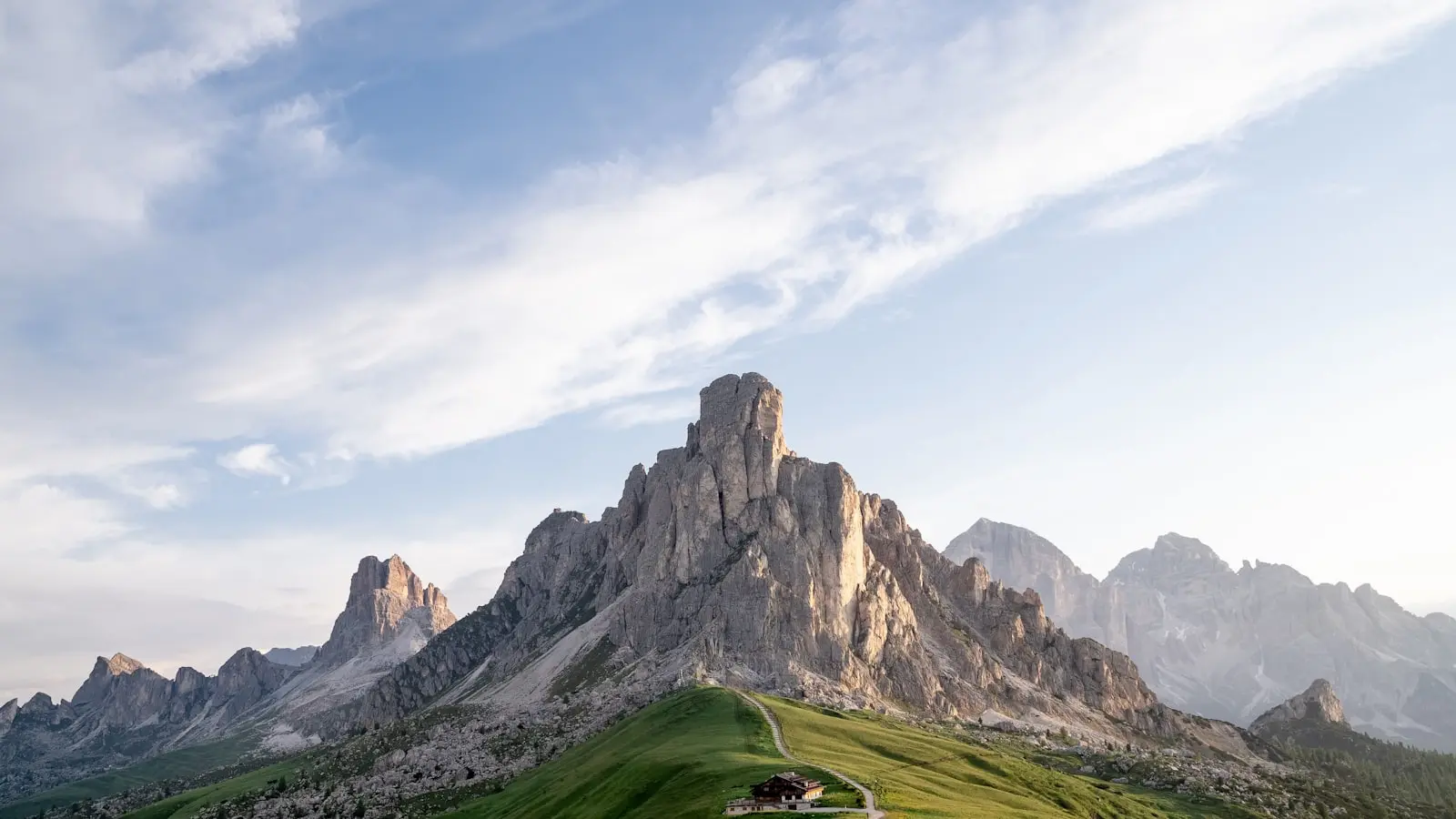
The best 4-day Dolomites itinerary for first-timers centers on Auronzo di Cadore as a base. This small town puts you within easy reach of the region’s most iconic sights: Tre Cime di Lavaredo, Lago di Sorapis, Lago di Braies, and Monte Piana. With only four days, you need a plan that balances big views with manageable logistics. Staying in one place saves time and energy, letting you drive or bus to trailheads each morning without packing and repacking. Below is a day-by-day route designed for travelers arriving by car.
Key Takeaways
- Base in Auronzo – central location, fewer crowds than Cortina, easy drive to all major trailheads.
- Day 1: Lago di Braies – gentle loop hike for acclimation; reserve parking in advance during summer.
- Day 2: Tre Cime circuit – moderate 10 km loop; arrive by 7:30 AM to secure parking.
- Day 3: Lago di Sorapis – strenuous 14 km out-and-back; only for fit hikers with no fear of heights.
- Day 4: Monte Piana – easy walk with WWI trenches and panoramic views; perfect for departure day.
- Weather backup – Cortina, scenic drives, or short rifugio walks when conditions turn.
Why Base Yourself in Auronzo
Auronzo sits in a sweet spot. It is less crowded than Cortina d’Ampezzo, so parking and accommodation are easier to secure. The town offers a range of places to stay, from simple apartments to family-run hotels. From Auronzo, the drive to the Tre Cime parking area takes about 20 minutes, and the trailhead for Lago di Sorapis is roughly 30 minutes away. Lago di Braies is about an hour north, and Monte Piana is a short 20-minute drive. This central location means you spend more time on the trails and less time behind the wheel. Many visitors debate whether to move accommodations between valleys, but for a short trip, staying put in Auronzo works best. You avoid the hassle of checking in and out, and you get to know one village well.
Day 1: Arrive and Acclimate – Easy Hike to Lago di Braies
Your first day should be gentle. After arriving in Auronzo, drive to Lago di Braies (Pragser Wildsee). The drive takes about an hour on winding mountain roads. Note that during peak summer months, Lago di Braies requires advance online reservations for parking and entry. Check the official website before you go. The lake is a stunning turquoise gem ringed by forest and towering cliffs. The loop trail around the lake is roughly 3.5 kilometers, flat, and takes about 1.5 hours at a leisurely pace. It is suitable for all fitness levels.
If you have extra energy, consider the hike up to Croda del Becco. This is a more strenuous out-and-back trail that climbs steeply to a viewpoint high above the lake. Allow an additional 2–3 hours. The view from the top is extraordinary, but the climb involves some exposed sections. For most first-timers, the lakeside loop is enough.
Evening: return to Auronzo, check into your lodging, and enjoy a relaxed dinner. Local restaurants serve hearty mountain fare like polenta, game, and cheese. This is a good time to buy snacks and water for the next day.
Day 2: Iconic Tre Cime Circuit (Moderate)
Wake up early. Drive to the Rifugio Auronzo parking lot, the main access point for the Tre Cime di Lavaredo loop. The drive from Auronzo town takes about 20 minutes. Parking costs around 30 euros per car (cash only) and fills fast. Aim to arrive by 7:30 AM at the latest in summer. The trail starts behind the rifugio and follows a well-marked path around the three iconic peaks.
The full loop is roughly 10 kilometers with about 400 meters of elevation gain. Most hikers complete it in 3–4 hours. The path passes Rifugio Lavaredo and Rifugio Locatelli, where you can stop for a coffee or a meal. The views are breathtaking: the three towers loom overhead, and Monte Paterno stands across the valley. Bring layers because it can be windy even on a sunny day.
After the loop, consider a short detour to Lago Antorno, a small lake just below the parking area. It is a peaceful spot for photos. Return to Auronzo by mid-afternoon. Your legs will thank you for a restful evening.
Day 3: Lago di Sorapis (Strenuous but Rewarding)
This is the toughest day of the itinerary. The hike to Lago di Sorapis is an out-and-back trail starting from Passo Tre Croci, which is about a 30-minute drive from Auronzo. Parking is available at the pass but limited; arrive before 8 AM. The trail is about 7 kilometers one way with roughly 400 meters of elevation gain. The surface is rocky and uneven, with some steep sections. Proper hiking boots are essential. Many sections are exposed, so avoid this hike in wet or icy conditions.
The reward is one of the most beautiful lakes in the Dolomites. The water is a vivid milky turquoise, framed by dramatic cliffs. The color comes from glacial silt. Most hikers spend 30 minutes to an hour at the lake before heading back. The total round trip takes 5–6 hours, including breaks.
Because of the difficulty, this hike is not recommended for absolute beginners or those with a fear of heights. If you are unsure of your fitness, you can instead hike to the nearby waterfall (Cascata di Sorapis) which is easier. But if you are up for the challenge, Lago di Sorapis will be the highlight of your trip.
Return to Auronzo for a well-earned rest. Consider booking a table at a restaurant with local specialties; your body will need carbs and protein.
Day 4: Monte Piana and Departure
Your final day can be relaxed. Drive to Monte Piana, only 20 minutes from Auronzo. The walk to the summit is an easy, mostly flat path that crosses grassy plateaus. Along the way you will see remains of World War I trenches and fortifications. The views from the top are panoramic, encompassing Tre Cime, Monte Paterno, and the entire Sexten Dolomites. Allow 1.5 to 2 hours for the round trip.
If you have more time, stop at Lago di Misurina, a pretty lake just a few minutes from Monte Piana. Alternatively, drive into Cortina for souvenir shopping or coffee. From there, you can head to your onward destination.
This itinerary works best from late June to late September, when all trails are clear of snow and rifugios are open. Early July and September offer fewer crowds than August.
Alternatives for Bad Weather
Weather in the mountains changes fast. If rain or thunderstorms are forecast, skip the longer hikes. Options include:
- Visit Cortina: explore the town, its shops, and the Museo delle Regole.
- Short walks: hike to Rifugio Averau, which is accessible by a short walk from a nearby parking area. The rifugio serves great food and has a lovely terrace.
- Scenic drives: Passo Giau and Passo Falzarego offer dramatic views without hiking. You can stop at viewpoints and take photos.
- Laghi di Sorapis (the easy way): if the Lago di Sorapis trail is too dangerous in wet conditions, you can drive to the viewpoint at Passo Tre Croci for a glimpse.
Packing Essentials for a Short Dolomites Trip
- Hiking boots: broken in, with good ankle support.
- Layers: base layer, insulating mid-layer, waterproof shell. Temperatures vary widely.
- Rain jacket and pants: essential even on clear days.
- Sun protection: hat, sunglasses, high-SPF sunscreen. The alpine sun is strong.
- Water: at least 1.5 liters per person on longer hikes. Refill at rifugios.
- Snacks: energy bars, nuts, fruit.
- Cash: many parking lots and rifugios do not accept cards.
- Headlamp: useful for early starts or if hiking late.
- Camera and spare batteries.
- Small backpack.
FAQ
-
Is it better to stay in Auronzo or Cortina? For this 4-day Dolomites itinerary, Auronzo is better. It is quieter, parking is easier, and it is closer to Tre Cime and Sorapis. Cortina is more expensive and crowded, but worth a stop on Day 4 if you want shopping.
-
Can I do the Lago di Sorapis hike as a beginner? This hike is strenuous and involves steep, rocky sections. Beginners with good fitness and no fear of heights can attempt it, but be prepared for a long, physically demanding day. Consider hiking only to the lake and back without extra detours.
-
What is the best time of year for this 4-day itinerary? Late June through September is ideal. July and August are peak season with more crowds and higher prices. September offers cooler temperatures and fewer people, but some rifugios close mid-September. Always check trail and rifugio status before booking.