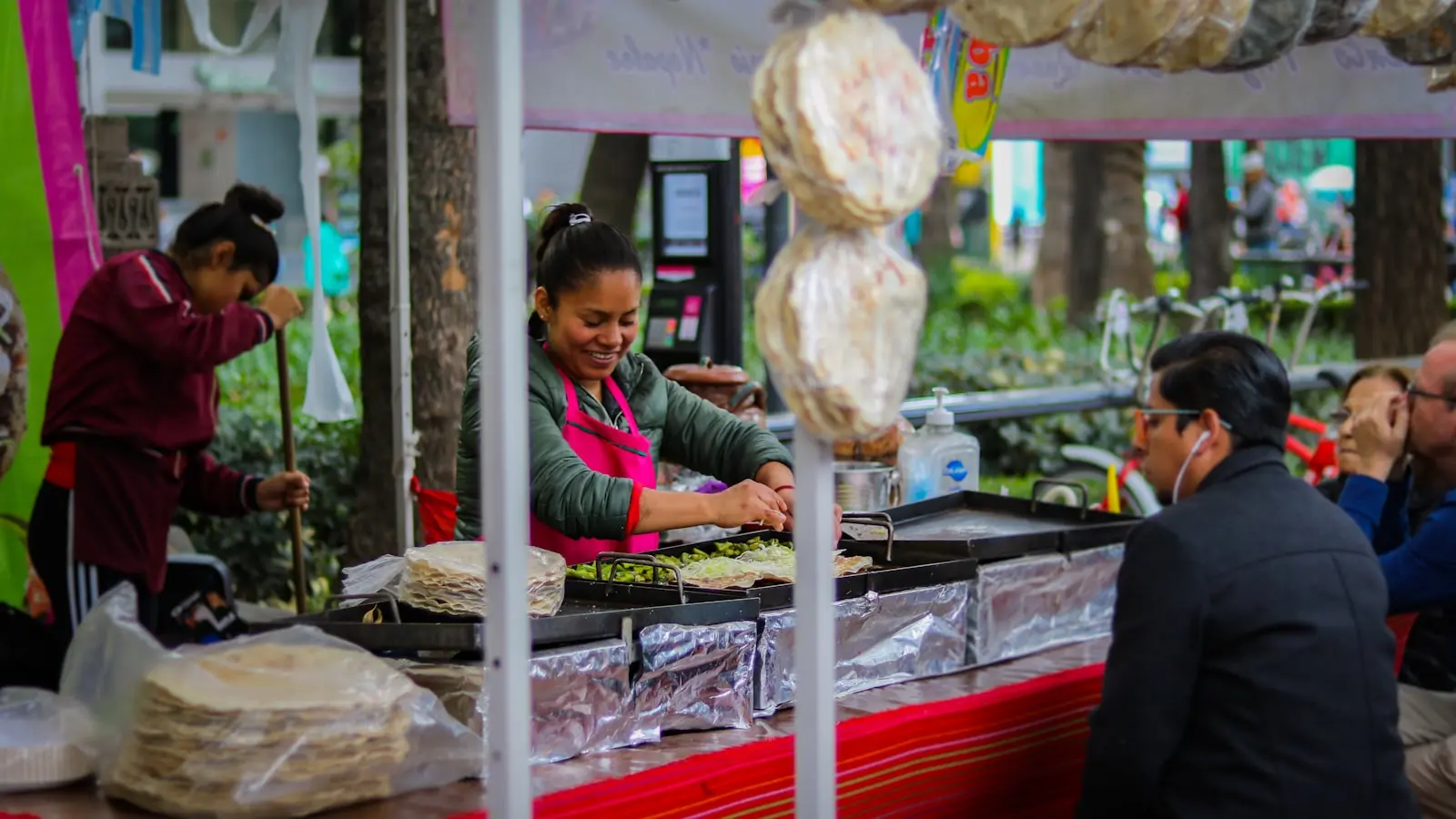
You can lower the chance of stomach illness in Mexico City without avoiding its food culture. Focus on practical risk reduction: choose food that is freshly and thoroughly cooked, make deliberate water decisions, clean your hands before eating, stay hydrated, and know which symptoms need medical care.
No strategy eliminates risk completely. Digestive symptoms while traveling can stem from contaminated food or water, but also from disrupted routines, alcohol, heat, long walking days, altitude, rich meals, anxiety, or a sudden increase in spicy or high-fiber foods. The goal is not to treat every taco as a hazard; it is to make sensible choices repeatedly.
Key Takeaways
- Street food is not inherently unsafe; assess cooking temperature, turnover, storage, and serving practices instead.
- Choose sealed bottled water or reliably purified water, and reduce uncertainty around ice and raw produce when you cannot confirm the source.
- Pack oral rehydration salts, hand sanitizer, insurance details, and any clinician-recommended medication before departure.
- Seek prompt medical care for blood in stool, high fever, severe pain, repeated vomiting, inability to drink, confusion, fainting, or significant dehydration.
Treat Food Safety as Risk Management, Not a Reason to Skip the Food Scene
To avoid stomach illness in Mexico City, look beyond whether food comes from a street stall or a formal restaurant. Foodborne illness can result from unclean handling, unsafe water, inadequate cooking, or food held at unsuitable temperatures. Those risks can exist in any dining setting.
A food-focused trip can also put extra strain on the digestive system. Multiple meals, late dinners, unfamiliar ingredients, alcohol, intense sightseeing, and inconsistent hydration can make even mild symptoms more disruptive. Mexico City’s high elevation may add to fatigue or dehydration for some visitors, particularly during the first day or two.
A brief change in bowel habits, mild bloating, or temporary indigestion after a rich meal does not automatically mean food poisoning. More concerning illness often involves frequent diarrhea, vomiting, fever, notable cramping, or signs of dehydration. Respond calmly to mild symptoms, but remain alert for worsening symptoms.
Choose Food Using Observable Safety Cues
The most useful Mexico City food safety assessment is based on what you can see. A busy vendor can be a positive signal because steady turnover may mean ingredients are not sitting for long, but popularity is not a guarantee. Look at how food is prepared, stored, served, and handled.
Favor places where hot foods are cooked to order or reheated until steaming. For tacos, that may mean watching meat, tortillas, or fillings come directly from a hot griddle, grill, or pot and reach your plate promptly. Freshly cooked hot food is generally a lower-uncertainty choice than food that has been sitting at warm outdoor temperatures.
Notice practical details. Are utensils and serving surfaces reasonably clean? Are raw ingredients protected from dust and repeated handling? Does the person taking payment also prepare food, or is there some separation between cash handling and serving? Visible access to handwashing or sanitizer is another positive clue, though it cannot reveal every kitchen practice.
Be more cautious with foods that appear to have been held for extended periods. Examples include creamy sauces left in the heat, mayonnaise-based mixtures, lukewarm meat, uncovered prepared salads, or foods that should be chilled but are not clearly kept cold. If something looks poorly stored, choose another option without making assumptions about an entire market or neighborhood.
Safe street tacos are not defined by being on a street. They are a practical combination of hot cooking, quick turnover, clean serving practices, and ingredients that appear properly stored. Apply the same standards to stalls, food halls, markets, cafés, hotel breakfasts, and sit-down restaurants.
Some foods deserve extra caution because cooking or pasteurization may not provide a final safety step. Raw or lightly cooked seafood, unpasteurized dairy products, raw sprouts, and raw produce washed with uncertain water can carry more uncertainty. That does not mean every such item will cause illness; it means handling or water problems may be harder to control.
Make Deliberate Water, Ice, Produce, and Drink Decisions
For drinking water, use sealed bottled water or water from a source you have good reason to regard as reliably purified. Check current travel-health guidance before departure, as local conditions and accommodation practices can change. Avoid making tap water your default drinking water when its treatment and safety are uncertain.
A simple bottled water Mexico City routine is to keep water with you during sightseeing, refill only from trusted purified sources, and use safe water for brushing your teeth if that gives you greater confidence. This matters on days involving museums, markets, long walks, and time outdoors, when thirst can be easy to overlook.
Ice requires a more nuanced decision than a blanket rule. Reputable restaurants and bars may use commercially produced or purified ice, but practices vary. If you are unsure about the source, ask politely or order a drink without ice. Choosing no ice reduces uncertainty rather than judging the establishment.
For fruit and vegetables, fruit you can peel yourself is often the simplest low-effort choice. Be more selective with salads, raw garnishes, fresh salsas, and uncooked herbs when you do not know how they were washed. Thoroughly cooked vegetables are generally a lower-uncertainty option than raw produce.
Alcohol can worsen dehydration, impair judgment about food choices, and irritate the stomach. It does not count as hydration. Alternate alcoholic drinks with safe water, eat regularly, and avoid turning a long sightseeing day into a late night with little fluid intake.
Build a Prevention and Hydration Plan Before the First Meal
Pack a small travel-health kit so that a digestive problem is easier to manage. Include oral rehydration salts, hand sanitizer, any clinician-recommended medications, and a digital or written list of allergies, medical conditions, and prescriptions. Keep travel insurance details, emergency contacts, and a way to locate appropriate medical care accessible rather than buried in email.
Oral rehydration solution, often called ORS, can be particularly useful if diarrhea or vomiting causes meaningful fluid and electrolyte loss. Plain water remains important, but ORS is formulated to replace both fluid and salts. Mix it only with water you consider safe and follow the package directions rather than improvising the concentration.
Hand hygiene remains one of the most practical traveler’s diarrhea prevention measures. Wash with soap and water before eating when possible, especially after public transit, cash handling, bathrooms, or crowded attractions. Hand sanitizer is useful when soap and water are unavailable, but it does not replace washing visibly dirty hands.
Medication prevention should be individualized. Routine preventive antibiotics are generally not a default option for most travelers because potential harms can outweigh benefits and contribute to antibiotic resistance. A travel-health clinician may discuss different plans for people at higher risk of serious complications or those with specific medical needs.
Bismuth subsalicylate may lower the risk of travelers’ diarrhea for some people, but it is not appropriate for everyone. It can interact with medicines and may be unsuitable for people with certain conditions, including salicylate sensitivity, some kidney problems, or use of certain blood-thinning medicines. Ask a clinician or pharmacist before using it preventively.
Do not rely on probiotics, activated charcoal, cleanses, or detox products as proven protection. They can create a false sense of security, and some supplements have their own side effects or interactions.
Respond Early if Symptoms Begin
If mild diarrhea, nausea, or stomach upset begins, prioritize fluids first. Rest when possible, use ORS as directed, and try small amounts of bland food as tolerated. Rice, toast, bananas, soup, crackers, or similar simple foods may be easier to manage temporarily than greasy, very spicy, or high-fat meals.
Anti-diarrheal medicines may be useful in limited situations, but they are not appropriate for every illness. They should not be used to push through severe symptoms, and they are not a replacement for medical assessment when fever, blood in stool, severe pain, or significant dehydration is present. A clinician can help travelers decide what belongs in an individualized treatment plan before departure.
Seek prompt medical advice or urgent care for blood in stool, high fever, severe or worsening abdominal pain, repeated vomiting, fainting, confusion, or inability to keep fluids down. These symptoms can have several causes and need assessment rather than self-treatment alone.
Dehydration is another reason to get help. Warning signs include very little urine, dark urine, marked thirst or dry mouth, dizziness when standing, unusual weakness, rapid heartbeat, or confusion. Children, older adults, pregnant travelers, and people with immune suppression or chronic medical conditions should have a lower threshold for contacting a clinician.
Diarrhea that is severe, persistent, or worsening also deserves medical advice. Use your travel insurance assistance line if available, and call local emergency services when symptoms are severe or someone is becoming confused, faint, or unable to drink.
FAQ: Is Street Food in Mexico City Safe to Eat?
Street food is not inherently unsafe. Assess hot cooking, customer turnover, ingredient storage, utensil cleanliness, and serving practices rather than judging food only by whether it is sold from a stall. A busy stand with food cooked hot in front of you may be a more comfortable choice than a restaurant item that has been sitting out.
FAQ: Should Travelers Avoid Ice in Mexico City?
The safest decision depends on the water source and the establishment’s practices. Ice may come from purified commercial sources at some venues, but that should not be assumed everywhere. Ask if you are uncertain, or choose drinks without ice when the source cannot be confirmed.
FAQ: What Should You Take for Travelers’ Diarrhea in Mexico City?
ORS and a safe-water plan are useful basics for rehydration. Medication choices depend on symptoms, health history, allergies, current prescriptions, and whether red flags are present, so discuss a personalized plan with a travel-health clinician before leaving. If severe symptoms develop, seek medical care rather than relying on over-the-counter treatment alone.