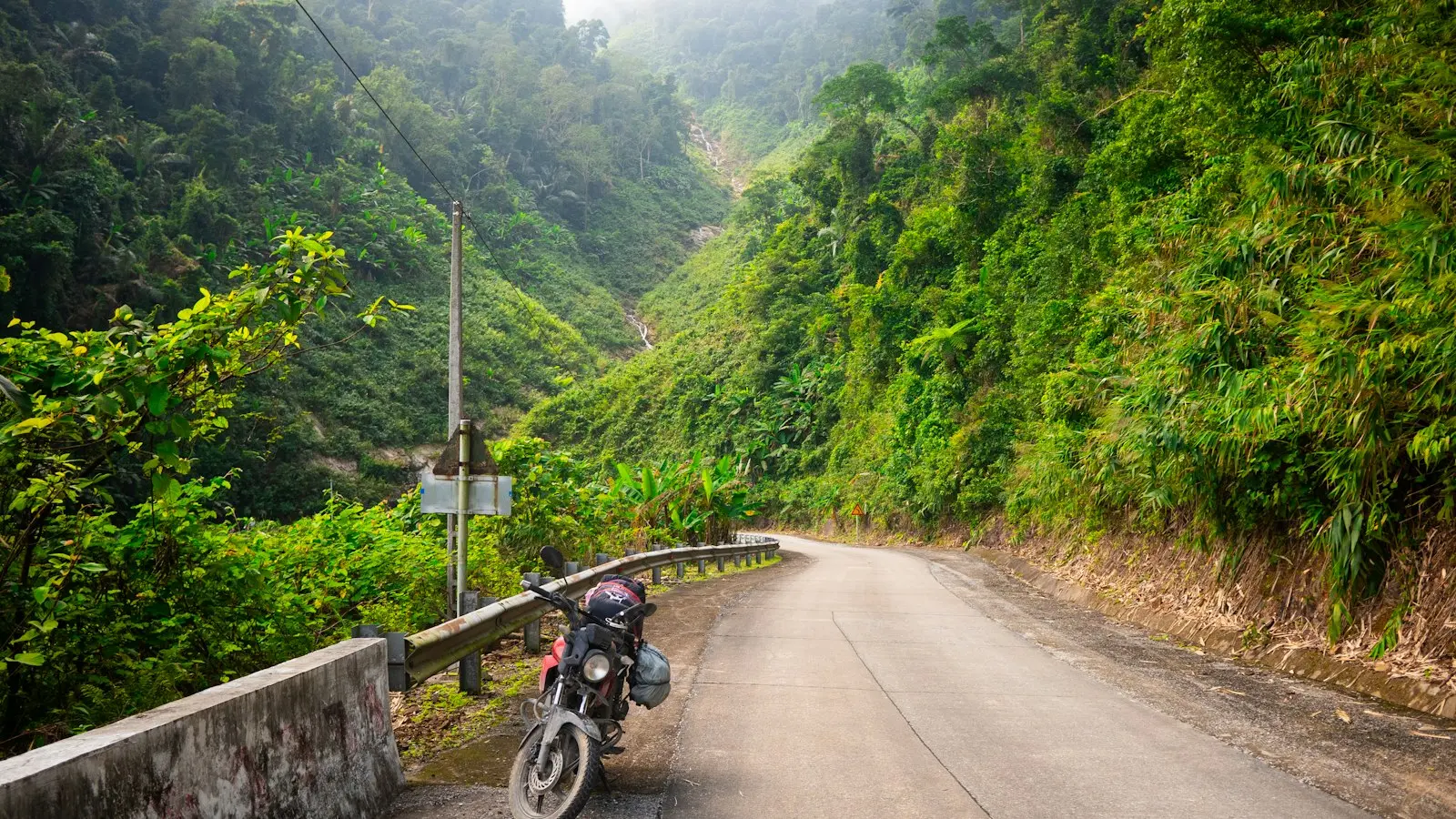
Vietnam motorcycle safety starts with an honest assessment of your riding ability, a route that matches your experience, proper protective equipment, legal and insurance preparation, and a willingness to stop when conditions deteriorate.
Motorcycling can provide access to scenery and smaller communities that are harder to reach by scheduled transport. It also places you in unfamiliar traffic, weather, road, and emergency-care situations. The goal is not to remove every risk, which is impossible, but to avoid preventable decisions that can turn an enjoyable trip into a serious injury or insurance problem.
Key Takeaways
- Match your motorcycle, route, and daily distances to your recent riding experience.
- Inspect the rental bike, wear a properly fitted helmet, and secure all luggage before riding.
- Confirm that your license, motorcycle category, international permit, and insurance coverage align with current Vietnamese requirements.
- Manage heat, fatigue, rain, alcohol, and phone use as serious riding risks—not minor inconveniences.
- Switch to trains, buses, taxis, or a hired driver when weather, traffic, illness, fatigue, or road conditions exceed your margin of safety.
Legal and medical requirements can change and may vary by nationality, vehicle type, location, and policy wording. Confirm current information with appropriate Vietnamese authorities, your rental provider, and your insurer before departure.
Decide Whether Motorcycle Travel Fits Your Experience and Route
A valid driving license does not necessarily mean you are ready for a motorcycle-heavy trip. Consider whether you can confidently control the specific type of bike you plan to use, including a manual motorcycle if you have only ridden an automatic scooter.
Useful skills include smooth clutch control, emergency braking, low-speed turns, hill starts, scanning for hazards, and maintaining balance while carrying luggage. Experience on quiet roads may not transfer easily to dense urban traffic, mixed vehicle flow, limited visibility, or unfamiliar right-of-way situations.
Assess the route rather than judging the entire country as one riding environment. A short daytime ride on relatively straightforward roads is different from a multiday journey involving mountain passes, steep descents, unpaved sections, heavy rain, long distances, or limited access to help. City riding may involve congestion and frequent stops, while rural riding can introduce poor surfaces, animals, unexpected obstacles, and fewer services.
Renting is probably a poor choice if you have not ridden recently, feel anxious in traffic, are carrying an inexperienced passenger, or are planning a route beyond your demonstrated ability. Severe jet lag, illness, emotional distress, or pressure to meet a fixed arrival time should also count against riding.
Begin with a short ride in daylight and a low-pressure area. Practice starting, stopping, turning, parking, refueling, and navigating before committing to a longer route. If that first ride feels difficult, changing the transport plan is a sensible safety decision rather than a failure.
Choose a Safer Rental, Bike, and Riding Setup
A reputable rental provider should be able to explain how motorcycles are maintained, what roadside support is available, how breakdowns are handled, and what happens if the bike must be replaced. Ask about deposits, existing damage, documentation, late returns, punctures, towing, and damage policies before handing over payment.
Do not accept a motorcycle solely because it starts. Before riding, check:
- Tire condition, tread, and apparent inflation
- Front and rear brakes
- Headlight, brake light, indicators, and horn
- Mirrors and steering movement
- Throttle, clutch, and gear operation where applicable
- Chain or belt condition and visible fluid leaks
- Fuel level and fuel access
- Luggage racks, straps, and attachment points
- Kickstand or center stand stability
Take clear photographs or video of existing scratches, dents, cracked panels, and other damage. Keep a written record if the provider offers one. This will not prevent a crash, but it can reduce confusion about the motorcycle’s condition when it is returned.
The bike should fit your body and ability. A motorcycle that is too tall, heavy, powerful, or unfamiliar can make low-speed handling and emergency control harder. Luggage should be secured so it cannot shift, interfere with steering, or catch on nearby traffic.
For motorbike safety in Vietnam, choose a properly fitting, undamaged helmet that meets applicable local requirements. A loose, damaged, or poorly fastened helmet offers less reliable protection. Verify current Vietnamese helmet rules rather than relying on informal assurances from a rental shop.
Consider gloves, closed footwear, long trousers, a protective jacket or other abrasion-resistant clothing, eye protection, and breathable rain layers. These items can reduce some injuries and discomfort, but they do not make high-speed riding or difficult conditions safe by themselves.
Confirm Licensing, Insurance, and Emergency Preparation
A home-country driver’s license may not be sufficient to legally ride in Vietnam. Requirements can depend on the motorcycle category, engine size, license format, international driving permit arrangements, nationality, and current local rules.
Check three separate questions before renting:
- Does your documentation legally authorize you to ride this category of motorcycle in Vietnam?
- Does the rental agreement permit you to use the motorcycle for your planned trip?
- Would your travel or vehicle insurance cover you if you were injured or caused damage?
Approval from a rental shop answers none of these questions conclusively. A provider may be willing to hand over a bike even when your documents do not meet legal or insurance requirements.
Read the insurance wording carefully. Look for conditions involving licensing, motorcycle category or engine size, helmet use, geographic coverage, exclusions, medical treatment, evacuation, personal liability, and damage to the rental vehicle. Some policies may treat motorcycles differently from cars or exclude claims when the rider was breaking local law. Do not assume a policy covers you because it includes general travel or vehicle protection.
Prepare an accessible emergency folder, either on your phone with offline access or in paper form. Include identification, insurance details, emergency contacts, medication information, accommodation addresses, and the rental provider’s contact information. A phone with sufficient battery, a power bank, offline maps, and basic translation support can be useful when mobile coverage or language assistance is limited.
Confirm current emergency contact information before departure. Response times, ambulance availability, language support, location accuracy, and payment procedures may vary by area. Know how you will describe your location using a road name, landmark, map pin, or accommodation address.
If a crash occurs, move away from immediate danger when possible without worsening a serious injury. Contact appropriate emergency help, seek medical assessment, document the scene and damage when it is safe to do so, and notify the rental provider and insurer. Avoid making statements about fault or signing documents you do not understand without appropriate assistance.
Reduce Crash and Health Risks During Each Riding Day
Plan shorter daytime stages instead of treating a map estimate as a deadline. Build in time for breaks, fuel, meals, navigation errors, road delays, weather changes, and mechanical problems. A route that is technically possible may still be unsafe if it requires rushing near sunset or continuing after concentration has declined.
Defensive riding is central to Vietnam road safety. Reduce speed when visibility, road surface, traffic density, or weather changes. Leave more following distance than you think you need, expect other road users to change direction, and avoid assuming that nearby drivers or pedestrians have seen you. Be especially cautious at intersections, beside parked vehicles, around buses and trucks, and where the road surface changes.
Set navigation before moving and pull over safely when you need to change the route. Do not use a phone while riding. If you are traveling with others, agree on meeting points rather than trying to keep visual contact in every traffic situation.
Heat and dehydration are also travel injury prevention issues. Riding in hot conditions can cause fluid loss, headache, dizziness, weakness, nausea, poor concentration, and reduced alertness. These effects can impair braking decisions and coordination before a rider recognizes how unwell they are.
Drink regularly, take shaded breaks, choose breathable protective layers, and plan stops before you urgently need water. Do not ride after drinking alcohol. Also avoid riding after poor sleep, while ill, or when taking medication that may cause drowsiness or slow reactions unless a qualified clinician has confirmed it is appropriate for you to drive.
Rain changes braking distance, visibility, road grip, and the ability of other people to see you. Slow down, increase spacing, use lights appropriately, protect navigation equipment, and stop if conditions exceed your skill or the motorcycle’s capabilities. Continuing because accommodation is booked is not a sound reason to ride through severe weather.
Know When to Stop Riding and Use Another Transport Option
A safer trip includes a backup transport plan. Switch to trains, buses, taxis, app-based rides where available, or a hired driver when traffic, weather, fatigue, illness, mechanical problems, or route complexity exceeds your margin of safety.
This is particularly sensible before an unfamiliar mountain road, after a poor night’s sleep, when visibility is deteriorating, or when you are carrying a passenger who is uncomfortable. Alternatives may reduce spontaneity or require more advance planning, but they can also preserve time, reduce exposure to riding risks, and allow you to continue the trip while recovering.
After a crash, seek urgent medical care for trouble breathing, loss of consciousness, confusion, severe bleeding, chest or abdominal pain, a suspected head or spine injury, a visible deformity, inability to bear weight, or symptoms that are worsening. These signs should not be assessed solely through an online article.
Helmets and protective clothing reduce risk but cannot rule out concussion, fractures, internal injuries, or other problems. After a substantial collision, medical assessment may be appropriate even when symptoms initially seem mild. Do not diagnose yourself or continue riding simply because the motorcycle still works.
FAQ: Vietnam Motorcycle Safety Questions Travelers Ask
Do I need an international driving permit to ride a motorcycle in Vietnam?
The answer depends on your license, motorcycle category, document format, nationality, and current Vietnamese requirements. Verify the rules through appropriate official sources before departure. An international permit, rental agreement, or shop’s approval should not be treated as proof that you are legally entitled to ride or that insurance will respond.
Is it safe to ride a motorbike across Vietnam as a beginner?
It may be unsuitable if you have little recent riding experience, are uncomfortable in dense traffic, or have chosen mountain roads, heavy-weather routes, or long daily distances. Consider training, a shorter and simpler route, a guided arrangement with appropriate credentials, or trains, buses, taxis, and hired drivers instead. The right choice depends on your skills, route, weather, and access to help.
What should I do after a motorcycle crash in Vietnam?
First protect yourself from immediate traffic danger when possible. Contact appropriate emergency help, obtain medical assessment for serious or uncertain injuries, document the incident safely, and notify your insurer and rental provider. If a severe injury may involve the head, neck, spine, chest, abdomen, or heavy bleeding, avoid unnecessary movement and seek urgent professional care.
The best motorcycle travel tips are practical: choose a manageable route, inspect the bike, confirm legal and insurance coverage, rest before riding, protect yourself from heat and rain, and change plans early when conditions worsen. That approach preserves the freedom of riding while treating Vietnam motorcycle safety as part of trip planning rather than an afterthought.