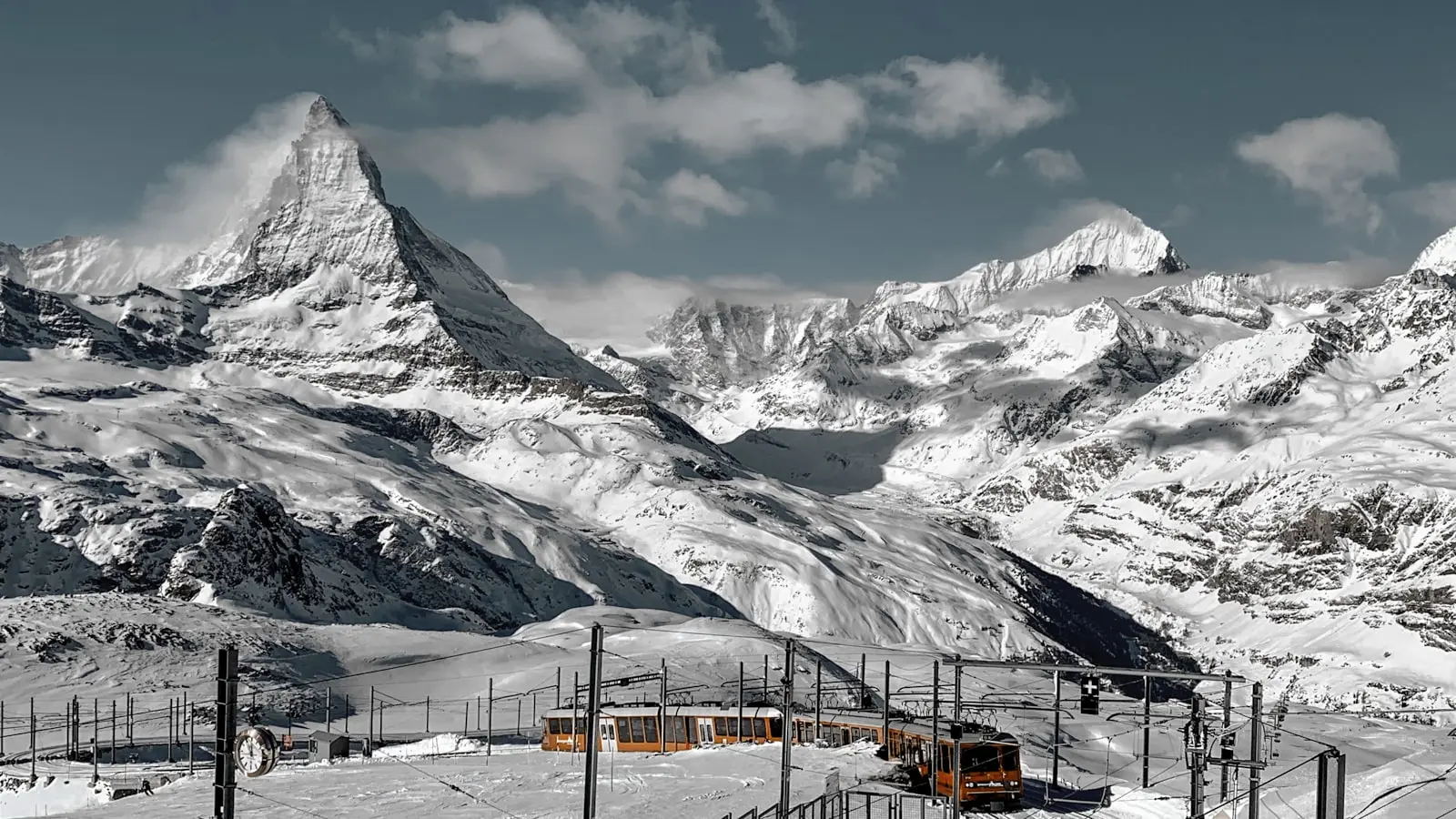
Jungfraujoch altitude sickness is possible even on a railway day trip. The practical approach is to arrive rested, pace yourself, stay warm, notice symptoms early, and be prepared to descend if they worsen. A train reduces the effort of getting there, but it does not give the body time to acclimatize gradually.
Key Takeaways
- Jungfraujoch is about 3,454 metres above sea level, and rapid rail ascent can still trigger altitude-related symptoms.
- Mild headache, fatigue, nausea, lightheadedness, and breathlessness with exertion warrant rest and a slower pace.
- Confusion, poor coordination, fainting, severe breathlessness at rest, chest symptoms, or worsening symptoms require urgent help and prompt descent.
- Sleep, regular meals, sensible hydration, warm layers, and flexible timing support comfort but do not guarantee altitude sickness prevention.
- Travelers with significant heart or lung conditions, prior altitude illness, pregnancy, or medication concerns should seek individualized clinical advice before travel.
Jungfraujoch sits at about 3,454 metres above sea level. At that elevation, the proportion of oxygen in the air is broadly similar to lower altitudes, but lower air pressure means less oxygen is available with each breath. This can make exertion feel unexpectedly difficult and can cause altitude-related symptoms in some otherwise healthy visitors.
Why a Train Journey Can Still Cause Altitude Symptoms
The counterintuitive part of a Jungfraujoch visit is the speed of the ascent. A traveler may start the day in Interlaken or Grindelwald and reach a much higher environment by rail without spending time at intermediate elevations. That is convenient for sightseeing, but it does not provide the gradual acclimatization associated with a slower ascent.
At altitude, the body compensates for lower oxygen availability by increasing breathing and cardiovascular effort. Walking between platforms, climbing stairs, or standing in cold wind for photographs may feel more demanding than expected. Mild breathlessness with activity can occur, particularly soon after arrival.
Several ordinary travel factors can add to discomfort: poor sleep, a late night, dehydration, skipped meals, alcohol, cold exposure, wind, anxiety, and a tightly scheduled itinerary. None confirms altitude illness on its own, but reducing avoidable strain makes it easier to judge how you actually feel.
Many visitors complete the excursion comfortably. Still, feeling unwell at altitude is not something to push through to preserve an itinerary. The sensible goal is flexibility: shorten the visit, rest in a sheltered area, or take the railway down if symptoms do not settle.
Recognize Jungfraujoch Altitude Symptoms Mild Effects vs. Red Flags
Common mild Jungfraujoch altitude symptoms may include headache, unusual fatigue, lightheadedness, reduced appetite, mild nausea, and being more short of breath than usual during activity. Some people simply find they need to walk more slowly or pause more often. These symptoms can overlap with hunger, motion sickness, tiredness, or cold, so they do not diagnose a specific condition by themselves.
If mild symptoms begin, stop exertion rather than rushing to the next viewpoint. Rest in a sheltered place, keep warm, take slow and comfortable breaths, and reassess. Tell a companion how you feel, especially if you are dizzy or unusually tired.
The important distinction is between symptoms that are mild and stable and symptoms that are worsening or concerning. A worsening headache, especially with repeated vomiting, needs prompt attention. So do confusion, unusual behavior, trouble walking straight, poor coordination, fainting, severe breathlessness while resting, chest pain or pressure, blue or gray lips, or a persistent or worsening cough.
These signs may indicate a serious altitude-related problem or another medical emergency. They should not be managed by moving more slowly, drinking extra water, or taking pain relief and waiting. Descent is a key response to worsening altitude illness, and urgent medical evaluation may be needed. Seek help from on-site staff and emergency services if symptoms are severe, sudden, or escalating.
Breathlessness deserves particular care. Feeling winded after walking quickly at high elevation differs from struggling to breathe while seated, being unable to speak comfortably, or becoming progressively more short of breath. The latter should not be monitored casually at the summit.
Prepare for a High-Altitude Day Trip Before Leaving Interlaken or Grindelwald
Preparation cannot guarantee altitude sickness prevention because individual susceptibility varies and the ascent remains rapid. It can, however, reduce common sources of avoidable discomfort and support clearer decision-making if symptoms develop.
The day before travel, focus on ordinary basics: aim for a reasonable night’s sleep, eat regular meals, and drink fluids consistently according to thirst. Avoiding excess alcohol is sensible because it can disrupt sleep, contribute to dehydration, and make headache, nausea, fatigue, or poor balance harder to interpret.
On the morning of the journey, eat a familiar meal instead of starting the day fasted. Bring water and a simple snack you are likely to tolerate, such as a sandwich, fruit, or crackers. Food and fluids do not treat altitude illness, but they can prevent hunger from adding to lightheadedness or nausea.
Dress for conditions at the summit, not just the weather at your hotel. Layers, a wind-resistant outer layer, gloves, and suitable footwear can help when moving between warm indoor areas and exposed viewing spaces. Cold and shivering add physical strain and can make fatigue feel more intense.
Build margin into the day. If possible, avoid combining Jungfraujoch with an exhausting hike, a very late night, or several rushed transfers. A shorter, calmer visit is often more enjoyable than trying to see every attraction while feeling unwell.
Travelers with heart disease, lung disease, a history of significant altitude illness, other substantial medical conditions, or medicines that affect breathing, circulation, fluid balance, or alertness should discuss the plan with an appropriate clinician before travel. Pregnancy and travel with children also merit individualized advice rather than blanket online approval or prohibition.
Prescription medicines may have a role in selected altitude plans, but they are not universally appropriate. Choice, timing, side effects, allergies, interactions, and contraindications are individual. Do not begin, borrow, or change medication for a Jungfraujoch trip without personalized clinical guidance, and never treat medication as permission to ignore worsening symptoms.
At the Summit Reduce Strain and Act Early if You Feel Unwell
After arriving, take a few quiet minutes before moving through the site. Walk slowly, avoid rushing up stairs, and choose shorter stops if you notice headache, nausea, dizziness, or unexpected fatigue. A relaxed pace is often the simplest way to make a high-altitude day trip more manageable.
Drink when thirsty and eat if hungry, but do not force large amounts of water in an attempt to prevent altitude illness. Sensible hydration supports general comfort; it does not replace acclimatization or medical assessment. Avoid alcohol while at altitude.
Use indoor spaces and sheltered areas when conditions are cold or windy. Staying warm can reduce the added stress of shivering and help distinguish a brief chill-related discomfort from symptoms that persist despite rest. If you feel mildly unwell, stop sightseeing, rest, and reassess before deciding whether to continue.
Do not continue alone if you are dizzy, unsteady, confused, or severely short of breath. Tell a companion what is happening and ask railway or visitor staff for assistance. Before traveling, check the operator’s current visitor information for assistance, accessibility, and emergency instructions, as procedures can change.
If symptoms are worsening rather than improving, begin descent as soon as feasible. If red-flag symptoms occur, seek urgent help immediately. Water, food, warmth, and over-the-counter symptom relief may be supportive in limited situations, but they are not substitutes for descent and medical evaluation when serious altitude illness or another emergency is possible.
Make a Safe Go or No-Go Decision Without Automatically Cancelling
For a traveler who feels well, can adjust the schedule, and is prepared to descend if needed, a Jungfraujoch visit may be a reasonable sightseeing plan. That is not medical clearance, and it does not mean symptoms cannot occur. It means the itinerary includes flexibility instead of assuming the full visit must be completed.
Consider postponing or seeking medical advice before traveling if you are currently ill, significantly sleep-deprived, newly experiencing chest symptoms or unusual shortness of breath, or unsure how a health condition or medication may affect you at altitude. The same applies if you have had important altitude problems before.
A costly ticket or limited holiday schedule can create pressure to stay longer than is sensible. Resist that pressure. Seeing fewer viewpoints, resting indoors, or descending early can be the right decision and can still make the excursion worthwhile.
A practical Jungfraujoch altitude sickness checklist is simple: sleep reasonably well, eat normal meals, bring water and a snack, wear warm layers, allow extra time, avoid alcohol, move slowly, tell a companion if you feel unwell, and be ready to descend. These measures support comfort and safer judgment, but they do not guarantee prevention.
FAQ
Can you get altitude sickness at Jungfraujoch even if you arrive by train?
Yes. Railway travel reduces the physical effort of ascending, but it does not remove the effects of arriving rapidly at about 3,454 metres. The quick change in elevation can contribute to headache, nausea, fatigue, dizziness, or shortness of breath with exertion in some visitors.
What is the Jungfraujoch oxygen level, and why can visitors feel short of breath there?
The proportion of oxygen in the air remains broadly similar to lower elevations. However, air pressure is lower at Jungfraujoch, so each breath provides less available oxygen to the body. That is why ordinary movement can feel harder and why visitors may breathe faster or need more frequent rests.
Should children, pregnant travelers, or people with heart or lung conditions visit Jungfraujoch?
There is no single answer that fits every person. Children, pregnant travelers, and people with heart, lung, or other significant health conditions may need individualized advice from a clinician familiar with their health history. The discussion should account for the rapid ascent, planned activity, current symptoms, medications, and the ability to descend promptly if needed.