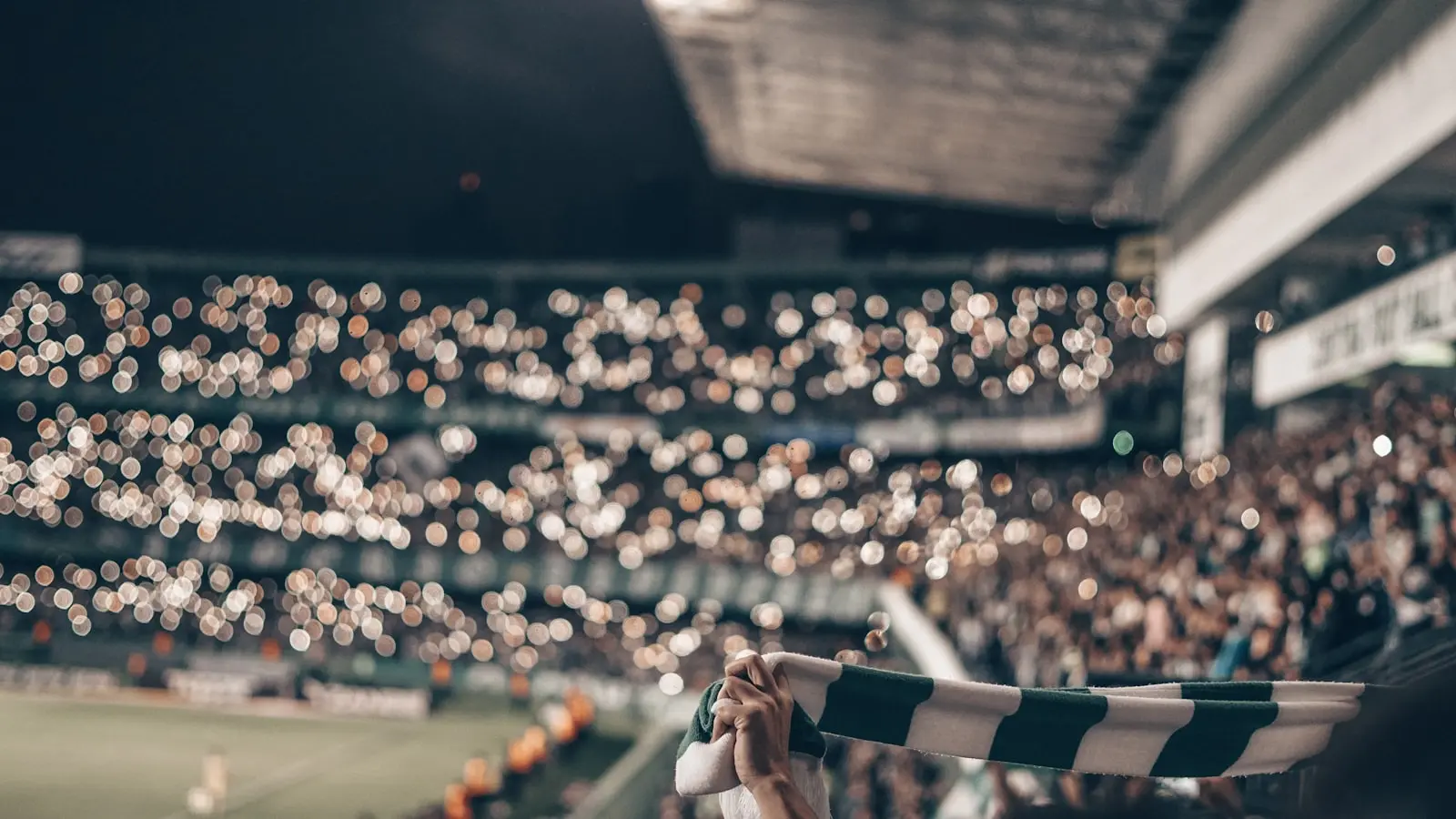
When a political figure steps onto a stadium pitch, the roar of the crowd can quickly turn into a chorus of boos. The 2026 World Cup final in New Jersey provided a vivid example: U.S. President Donald Trump and FIFA President Gianni Infantino were greeted with widespread jeers during the trophy ceremony. This moment raises a recurring question: is the booing a genuine expression of political discontent, or is it simply part of the sports fan experience? The answer lies in a blend of crowd psychology, fan tradition, and the charged atmosphere of major events.
Key Takeaways
- Booing at sports events is driven by a mix of political sentiment and fan tradition, not just one or the other.
- Crowd psychology such as deindividuation amplifies booing, making it spread quickly through a stadium.
- Recent high-profile examples like the 2026 World Cup final show booing can become a global news story.
- Organizers use audio management, security protocols, and timing to mitigate booing, but cannot fully prevent it without limiting free expression.
- The impact on event brand and sponsorship is complex; booing can add authenticity or create reputational risk.
The Psychology of Anonymous Crowd Behavior
Large stadiums create a unique environment where individual identity fades into the collective. Psychologists describe this as deindividuation: people feel less accountable for their actions when they are part of a mass. In a crowd of tens of thousands, a boo feels safer and more powerful than a solitary shout. This effect is amplified by groupthink and social contagion. When a few nearby fans start booing, others join in without fully reasoning why. The combination of alcohol, high emotional arousal from the game, and team loyalty further lowers inhibitions. The result is a rapid, often spontaneous sound wave that can target anyone on the big screen.
Insights from crowd psychology suggest that booing is not random. It often signals a shared identity within the stadium. Fans may boo to reinforce their belonging to a group that opposes an authority figure. In the case of political figures, the crowd’s collective sentiment can emerge quickly, especially if the figure is linked to controversies or unpopular policies.
Political Expression vs. Fan Tradition
Booing at sports events is not new. Fans boo referees, opposing players, and even their own team. But when the target is a political figure, the meaning shifts. Political booing often reflects real-world frustrations. For example, Trump’s presence at the 2026 World Cup final drew boos from a crowd that included many international fans who may hold negative views of his administration. Similarly, FIFA President Infantino has faced boos at multiple tournaments due to corruption scandals and controversial host selections.
Non-political booing, by contrast, is performative. Heckling the referee is a ritual; it rarely carries deeper societal weight. The distinction is sometimes blurred. A crowd that boos a politician might also be acting out of a tradition of vocal dissent in sports venues. The context matters: the 2026 final was held in the U.S., a country where political polarization is high, but the crowd included many global visitors. The rapid dissemination of video clips online suggests that some fans were aware of the performative aspect—knowing their reaction would be seen worldwide.
Audience composition shapes the meaning. A domestic league game might see a governor booed for local policy, while an international event like the World Cup amplifies global political currents. The line between personal protest and fan culture is never absolute.
Key Case Studies from Major Events
The 2026 FIFA World Cup final at MetLife Stadium on July 19 provided the most prominent recent example. Trump and Infantino walked onto the field after Spain’s victory over Argentina. Video footage from multiple angles shows a clear wave of boos as the two men approached the podium. The reaction was not uniform—some sections cheered—but the audio mix captured by broadcasters made the booing unmistakable. Trump lingered on stage, attempting to join the Spanish team’s celebration, which added to the awkwardness. This was not an isolated incident: at the 2025 Club World Cup, Trump also faced boos when presenting the trophy to Chelsea.
Other major events have seen similar reactions. At the 2022 World Cup in Qatar, FIFA officials were booed during the opening ceremony amid criticism of the host nation’s human rights record. During the 2008 Beijing Olympics, President George W. Bush heard boos from some sections of the crowd, though security and audio management softened the impact. At the 2014 Sochi Olympics, Vladimir Putin faced jeers from international attendees. In North America, booing of national anthems at NBA and NHL games has become a recurring protest, often tied to political grievances.
These examples show a pattern: political booing is most intense when the event is seen as a platform for global messaging. The larger the international audience, the more likely fans will use their voice as a tool of symbolic protest.
Impact on Broadcast, Sponsorship, and Event Brand
Networks and organizers operate in a delicate environment when VIPs appear. Live broadcasts often use a delay of several seconds, allowing producers to cut to crowd shots or react to audio. In some cases, directional microphones are deliberately turned down to mute the boos, though this risks sounding unnatural. Camera angles also shape the narrative; a tight shot on the VIP can amplify the moment, while a wide shot of the trophy may downplay it.
Sponsors pay millions for association with major events, and a controversy can create reputational risk. Brands typically monitor social media and broadcast feedback. If booing becomes a dominant storyline, sponsors may distance themselves. However, there is also an argument that booing adds raw authenticity. Some fans appreciate that the stadium reflects real-world tensions rather than being a sanitized corporate zone. The balance is tricky. Leagues and host cities worry that repeated booing could deter future events or reduce the prestige of ceremonies.
How Organizers Prepare and De-escalate
Event organizers have several tools to manage the risk of crowd booing. Security protocols are extensive: VIPs are given pre-planned routes, multiple security personnel, and rapid exit options. For the 2026 final, Trump arrived via Marine One and was escorted onto the field under heavy guard. Organizers also manage the audio environment. Some stadiums use white noise generators or specialized crowd microphones to reduce the prominence of negative reactions. Pre-event announcements and stadium rules are displayed on screens, asking for respectful behavior—though these have limited effect on a determined crowd.
FIFA and other governing bodies reportedly have guidelines for handling hostile reactions, but these are rarely made public. Security experts suggest that timing is key: organizers may delay the VIP appearance until after peak emotional moments, such as the final whistle. In the 2026 case, Trump appeared after the match, when emotions were already high. Despite planning, outright prevention is nearly impossible without restricting free expression, which would itself generate backlash. The most effective approach is often to acknowledge the reaction quietly and move on.
FAQ
1. Is booing at sports events always a political statement? No, booing can stem from sports-related frustrations (e.g., referee decisions) or be part of fan tradition. Political booing is often distinguished by the target (politicians, officials) and the context of controversy surrounding that figure.
2. Do event organizers try to prevent booing of VIPs? Yes, organizers often use audio management, camera work, and strategic timing to minimize disruption. Some also employ security to remove disruptive individuals, though outright prevention is difficult without restricting free expression.
3. How do athletes and teams react when VIPs are booed? Reactions vary. Some athletes ignore it and focus on the game; others may show discomfort. Teams and leagues typically avoid public comment to not inflame the situation, though individual players may voice opinions on social media.