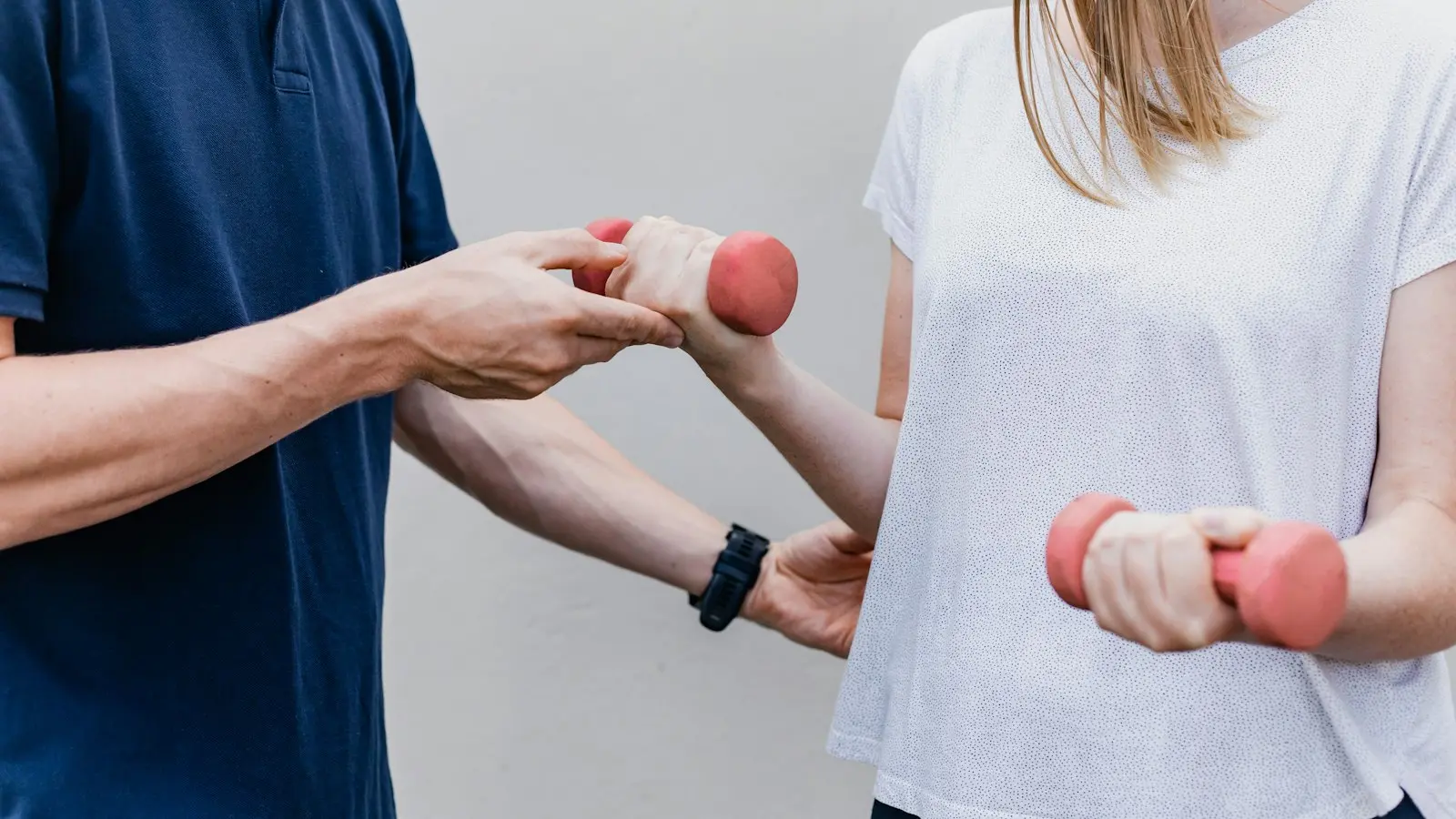
Recurring sports injuries often return because symptoms improve before the body has regained the strength, coordination, tolerance, and sport-specific capacity required for full participation. An athlete may walk, work, or train lightly without trouble while still being unprepared for sprinting, cutting, contact, throwing, jumping, or repeated competition.
That does not mean every setback was caused by carelessness or by returning too soon. Injury type, severity, previous injuries, training demands, general health, rehabilitation quality, and the original diagnosis can all matter. The practical question is not simply whether pain has gone away, but whether the athlete can repeatedly handle the demands of the sport without a worsening response.
Key Takeaways
- Feeling better is not the same as rebuilding the strength, mobility, coordination, and tolerance required for sport.
- Sudden increases in speed, volume, intensity, contact, or competition can overwhelm restored capacity.
- Rehabilitation gaps, fatigue, technique, equipment, surfaces, and compensation for another injury may contribute to recurrence.
- A graded return should test sport-specific function and next-day response, not just elapsed time or pain during one session.
- Recurrent, worsening, or function-limiting symptoms warrant assessment by a qualified clinician.
Feeling better does not always mean fully recovered
Pain relief is one useful sign, but it is not a complete return-to-play test. Reduced pain may mean that irritation has settled, swelling has decreased, or the athlete has stopped exposing the area to the movement that caused symptoms. It does not automatically prove that tissue capacity, strength, mobility, or control have returned to their previous level.
This explains why ordinary activity can feel normal while sport still exposes a weakness. Walking across a flat surface places different demands on the body than accelerating, landing from a jump, changing direction under pressure, or completing a late-game effort while fatigued. A shoulder may tolerate daily reaching but struggle with repeated overhead throwing. An ankle may cope with a commute yet become unstable during rapid cuts.
Pain should be interpreted in context rather than treated as a simple pass-or-fail signal. Some injuries remain uncomfortable during gradual rehabilitation without indicating that all progress has stopped, while other problems can temporarily feel better despite unresolved loss of function. The meaning depends on the injury, activity, timing of symptoms, and the athlete’s response afterward.
Recovery timelines also vary. A previous injury, limited baseline conditioning, age, sleep disruption, other health issues, and the demands of the sport can change how quickly capacity returns. A calendar date can help organize a plan, but elapsed time alone cannot establish readiness.
How rehabilitation gaps can set up another setback
Rehabilitation is more than resting until symptoms settle. Depending on the injury, it may need to restore force production, joint mobility, balance, coordination, reaction speed, landing control, or the ability to repeat efforts. If one part of that process is incomplete, the athlete may pass an easy test but struggle when intensity rises.
Strength is a common example. The injured muscle or muscles supporting a joint may weaken during reduced activity. An athlete can then resume practice using a smaller range of motion, avoiding one side, or relying more heavily on another joint. That compensation may not hurt immediately, but it can change how force is distributed during repeated movements.
Mobility and coordination matter as well. A stiff ankle can alter a landing or squat. Reduced hip control may affect cutting mechanics. Poor balance may become more apparent when the athlete is tired or reacting to an opponent rather than performing a rehearsed drill. These are possibilities, not automatic explanations; a qualified clinician or rehabilitation professional may need to assess the movement pattern.
There can also be a gap between completing rehabilitation exercises and transferring their benefits to the sport. Controlled strengthening in a clinic or gym does not perfectly reproduce the speed, unpredictability, contact, decision-making, and fatigue of competition. A graded program generally bridges that gap rather than treating the final rehabilitation session as the finish line.
It is important not to turn rehabilitation adherence into blame. Programs can be difficult to follow because of pain, work, school, travel, cost, limited access to care, or unclear instructions. Persistent or recurring symptoms may also point to an overlooked contributing factor, a different diagnosis, or a problem that requires reassessment. Repeating the same exercises without reviewing the underlying issue is not always enough.
Training load and recovery can overwhelm restored capacity
A common pattern is time away from sport followed by a rapid return to the previous workload. The athlete may feel rested and motivated, but the body has lost some tolerance for volume, speed, intensity, contact, or repeated competition. The first session may be manageable; the accumulation across several days may not be.
Load includes more than total minutes. Changes in sprinting, jumping, throwing, lifting, contact, match frequency, intensity, and surface can all alter the demand. A football player returning to training might tolerate straight-line running but struggle when high-speed changes of direction are added. A pitcher may manage light throwing but react poorly when distance, velocity, and repetition increase together.
A graded return is different from simply taking time off and then restarting at full speed. It usually moves from controlled activity toward more specific and demanding work, with the response monitored between stages. Progress may need to pause or be adjusted if symptoms worsen during activity, later that day, or the following morning.
Recovery capacity can also be affected by sleep, nutrition, rest days, stress, travel, and scheduling. These factors do not explain every recurrence, and no single recovery habit prevents injury. They matter because a demanding training plan is harder to tolerate when the athlete is consistently under-recovered or has little time between sessions.
A simple tracking record can improve communication with a clinician or coach. Note the activity type, duration, approximate intensity, symptoms during the session, symptoms later that day, swelling or stiffness, and next-day function. Include whether the athlete could perform normal movements and whether technique deteriorated with fatigue.
This is not a diagnostic tool or a personalized clearance system. Its value is in showing patterns that may be missed when decisions are based only on how the athlete felt during one session. A symptom-free morning followed by increasing pain after three consecutive practices tells a different story from one isolated, well-tolerated workout.
Technique, equipment, and environment may keep reproducing the same stress
The original injury can recur because the same sporting stress remains present. Technique, movement control, fatigue, footwear, protective equipment, training surfaces, and sport-specific demands may each contribute, although none should be assumed to be the sole cause without assessment.
Fatigue is particularly relevant because movement quality often changes when an athlete can no longer control position or force as effectively. A runner may shorten stride under fatigue, a basketball player may land unevenly, or a racket-sport athlete may rely more heavily on the shoulder when leg drive declines. The issue is not that every technical change is dangerous; it is that a previously vulnerable area may have less margin for error.
Equipment and surfaces can influence how force is absorbed and redirected. Shoes, braces, footwear condition, playing surfaces, and protective gear may change comfort, traction, or movement strategy. Changing equipment can be useful in some circumstances, but it can also introduce unfamiliar loads or restrict normal skill. The goal is not to search for a universal product or adjustment, but to consider whether equipment fits the athlete, sport, surface, and rehabilitation stage.
An older injury elsewhere in the body may also affect movement. An athlete protecting a painful knee could shift demand toward the hip or ankle; a player with a stiff ankle could alter landing mechanics. These chains are plausible explanations rather than diagnoses. Attempts to correct them should be based on assessment, because forcing a new technique can create its own problems.
The same principle applies to training surfaces and sport demands. A return on a forgiving surface may not predict the response to hard courts, uneven ground, hills, or repeated contact. A comfortable drill may not reveal what happens when the athlete must react, decelerate, or make decisions at competition speed.
What a safer graded return should test
A graded return should gradually test the capabilities the sport actually requires. Depending on the injury and activity, that may progress from controlled movement to faster running, changes of direction, jumping, throwing, contact, reactive drills, and eventually repeated training or competition. The order and pace should be individualized rather than copied from another athlete.
Useful questions include whether the athlete can produce and control force on both sides, maintain movement quality under fatigue, complete sport-specific skills, and recover without a meaningful increase in symptoms. Confidence matters too. Fear of movement can change technique and reduce effort, while excessive confidence can lead to an abrupt jump in workload. Neither emotion should replace functional assessment, but both can affect the return process.
Next-day function is an important part of the picture. An athlete who completes a drill but wakes with substantially increased pain, swelling, stiffness, weakness, or loss of movement may not have tolerated that stage, even if the session itself seemed successful. There is no universal checklist for every injury, and clearance decisions for significant injuries should involve appropriately qualified sports-medicine or rehabilitation professionals.
Seek clinical assessment when symptoms repeatedly return, worsen, or interfere with normal function. Evaluation is particularly important with swelling, weakness, instability, loss of movement, numbness, pain at rest, pain that disrupts sleep, or a decline in performance that does not resolve with sensible modification. A clinician may decide that imaging, specialist input, or a revised diagnosis is appropriate, but those steps are not automatically necessary for every recurrence.
The aim is not to eliminate every sensation before activity or promise that recurrence can always be prevented. It is to identify whether the athlete has rebuilt enough capacity for the specific demands ahead, then increase those demands in a controlled and observable way.
Frequently asked questions
Why does an injury keep coming back when it seemed healed?
Symptoms may have improved before strength, mobility, coordination, tissue tolerance, or sport-specific capacity fully returned. A sudden workload increase, fatigue, altered technique, equipment issue, or compensation for another injury can then expose the remaining limitation. Recurring symptoms can also indicate that the original problem needs reassessment or that another diagnosis should be considered.
How can I tell whether I am ready to return to play?
Readiness involves more than feeling comfortable in daily life. It should reflect the ability to perform progressively harder, sport-specific tasks with acceptable movement quality and without a worsening response during the session or afterward. Because criteria vary by injury and athlete, a qualified clinician or rehabilitation professional should guide higher-risk return-to-play decisions.
When should recurring sports injuries be assessed by a specialist?
Arrange an assessment when the same symptoms repeatedly return, progressively worsen, limit normal activity, or are accompanied by swelling, weakness, instability, numbness, loss of function, pain at rest, or sleep disruption. Specialist assessment may also be sensible when a carefully graded return repeatedly fails, when the diagnosis is uncertain, or when the athlete cannot meet the demands of the sport despite rehabilitation.