The best way to pace a two-day city trip is to protect your energy for the experiences that matter most. Choose one or two priority attractions each day, group nearby sights, use transport when it saves meaningful effort, and schedule food and recovery before exhaustion arrives.
A short city break is not simply a sightseeing checklist. It is an endurance challenge shaped by walking distance, hills, stairs, queues, heat, sleep, luggage, meals, and constant decisions. The aim is not to collect the highest number of stops. It is to finish both days able to notice, enjoy, and remember where you are.
Key Takeaways
- Set an effort limit based on your normal activity, health, mobility, weather, terrain, and travel companions rather than a universal step target.
- Choose one or two high-priority experiences per day, then cluster nearby optional stops around them.
- Count queues, stairs, heat, uneven surfaces, luggage, transfers, and decision fatigue as part of the day’s workload.
- Use public transport or a taxi strategically when walking would drain energy needed for a priority attraction.
- Plan meals, water, toilets, seating, and recovery before exhaustion, and keep the final half-day easy to shorten.
1. Set a realistic daily effort limit before choosing attractions
Start with your normal activity level rather than an idealized holiday version of yourself. Someone who regularly walks or trains may tolerate a more active schedule than someone whose daily routine is mostly sedentary, but neither person benefits from planning at their absolute limit. Footwear, age, health, mobility, travel companions, weather, and the city’s terrain all change what is realistic.
There is no universal step count, mileage target, or number of walking hours that suits every traveler. Instead, establish a personal ceiling based on a familiar day at home, then leave some capacity unused. A practical rule is to plan one or two high-priority experiences and treat everything else as optional. If energy remains, add a nearby stop; do not make every optional stop part of the definition of a successful day.
Count more than distance. A short route involving steep streets, stairs, cobblestones, crowded pavements, or a long queue may require more effort than a longer, flat walk with regular seating. Standing in a museum line, carrying luggage to a station, navigating confusing transfers, and walking in direct sun all belong in the day’s workload.
The same principle applies to mental effort. Choosing restaurants, changing plans, reading maps, and navigating unfamiliar transport can create decision fatigue. A simple plan with a few clear priorities often produces a better experience than a dense schedule that requires constant problem-solving.
If you develop unusual dizziness, confusion, fainting, chest pain, severe shortness of breath, or possible heat-illness symptoms, stop sightseeing. Those symptoms are not a cue to push through the final attraction; seek appropriate medical help, particularly if they are severe, persistent, or unfamiliar.
2. Build a city break walking plan by location and effort
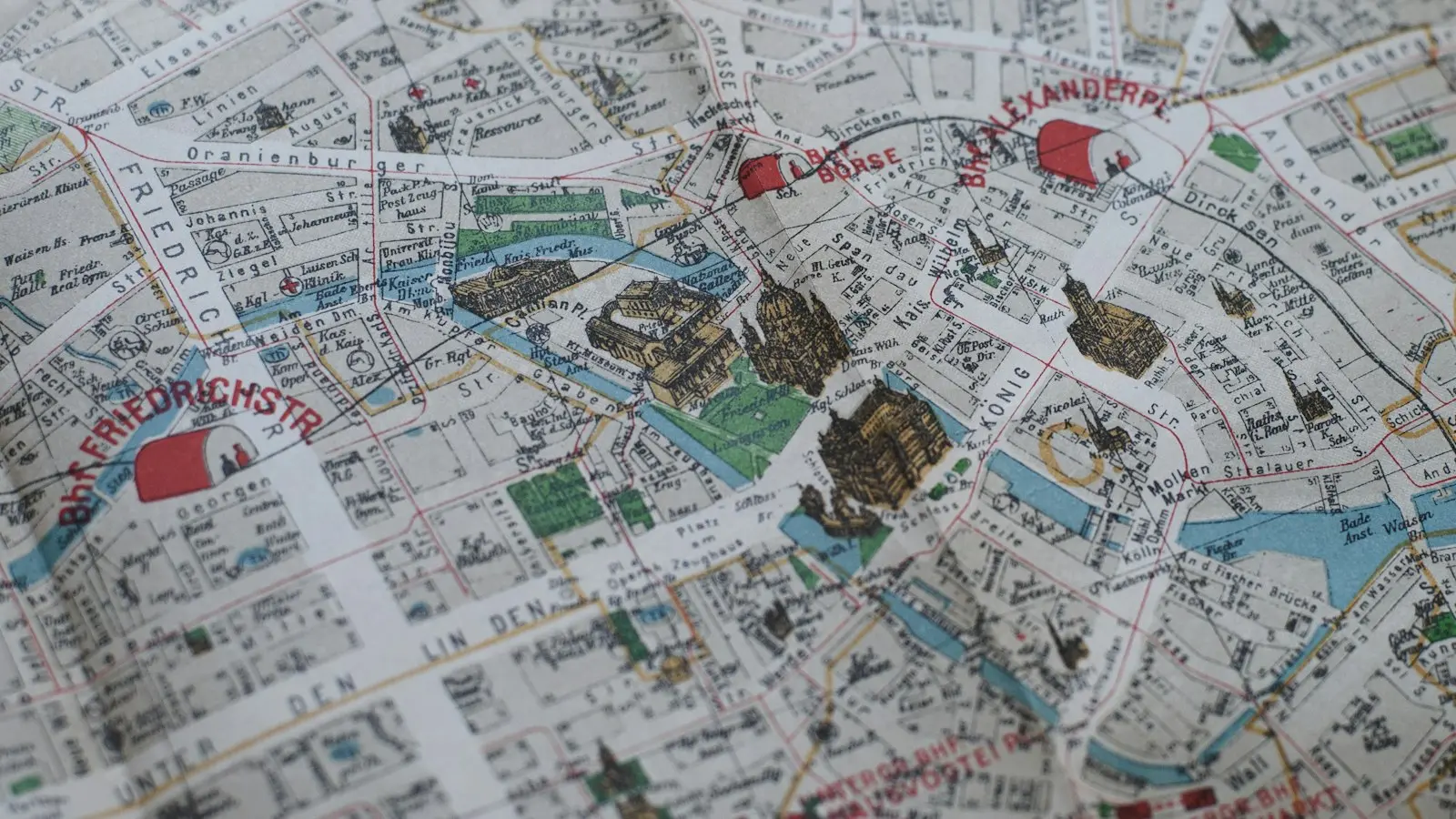
The most effective city break walking plan usually begins with a map, not a list of attractions. Mark the places you most want to see, then look for a core neighborhood or corridor that can hold several of them. Crossing the city repeatedly wastes time and adds effort without necessarily adding experience.
Divide potential stops into three groups: must-see, would-like-to-see, and optional. Build each day around one geographic cluster, with the must-see experience at its center. Nearby cafés, viewpoints, markets, smaller galleries, parks, or streets can fill the gaps if the group still feels fresh.
Then classify each stop by effort. A large museum, tower, hilltop viewpoint, long guided tour, or historic site with extensive stairs may be a high-demand activity. A café, park, scenic tram ride, short neighborhood walk, or seated meal is lower demand. Avoid placing several high-effort experiences back-to-back simply because they appear close together on a map.
A useful rhythm is to alternate demand. For example, follow a long museum visit with a meal and a short park walk rather than another major indoor attraction. After a steep neighborhood, use public transport toward a calmer district. This does not make the trip less active; it distributes effort so that the next meaningful experience is not viewed through fatigue.
Inspect the hidden difficulty of each route before committing. Look for elevation changes, stairs, uneven surfaces, crowd density, limited shade, long waits, and places where seating or toilets may be scarce. Distance alone is a poor measure of accessibility. Travelers with mobility limitations should check current route and entrance details directly, since a nearby attraction may still involve inaccessible platforms, stairs, or difficult surfaces.
Leave at least one uncommitted block each day. That space absorbs delays, weather changes, spontaneous discoveries, or the simple need to sit down. Flexibility is not wasted time when it prevents the entire schedule from collapsing after one late train or extended queue.
3. Use transport strategically instead of walking every connection
Walking is part of the pleasure of a city break, but walking every connection is not a requirement. Use your energy where walking adds something: a scenic riverfront, a compact historic district, an interesting market route, or a neighborhood you specifically want to explore. Use public transport or a taxi when the route is mainly a transfer between priorities.
Think in terms of total effort rather than map distance. A short journey may involve stairs, multiple platforms, a confusing interchange, or a long wait. Conversely, a slightly longer direct ride may put you close to the next attraction and protect energy for the visit itself. Luggage, heat, crowds, and a group’s mobility needs can change the best option.
Transport is particularly valuable before a priority attraction, after a demanding morning, or on the way to dinner. A short ride can prevent the late-day decline that turns a planned meal and evening walk into an exhausted search for somewhere to sit. That is a pacing decision, not a failure to experience the city.
Check current operating hours, fares, ticket rules, service disruptions, transfer conditions, and accessibility before relying on a particular route. Transport systems change, and a route that looks simple may not work well for someone who cannot manage stairs or crowded vehicles. Keep a second option, such as a taxi or a shorter walking route, when being late would jeopardize a timed entry.
4. Schedule recovery, food, water, and rest before exhaustion
Rest works better when it is planned before the energy crash. A reliable sample rhythm is an unhurried morning priority, a seated midday meal, a lower-intensity afternoon, and an evening that remains optional. The exact times can change, but the order matters: spend energy, refuel, reduce intensity, then decide whether another activity is worthwhile.
Plan food, water, toilets, shade, air conditioning, and seating along each cluster route. These are not interruptions to sightseeing; they are the infrastructure that allows sightseeing to continue. Waiting until everyone is hungry, overheated, or urgently looking for a restroom makes the next decision more stressful and often leads to poor food or transport choices.
Heat, alcohol, missed meals, poor sleep, and heavy food can all make travel fatigue feel worse. On a hot day, move demanding outdoor activities toward cooler parts of the morning or evening and keep a shaded or indoor alternative nearby. Travelers who are pregnant, managing a chronic condition, sensitive to heat, older, traveling with children, or recovering from illness may need a substantially lower-intensity plan. Individual medical advice is appropriate when health conditions or medication affect exertion, hydration, or heat tolerance.
Walking recovery does not require elaborate equipment. Comfortable, broken-in footwear, brief seated pauses, gentle movement after long periods of sitting, and an earlier night can be more useful than trying to compensate with another intense outing. If elevating the legs feels comfortable after a long day, it may be a practical way to relax, but it should not be treated as a cure for significant symptoms.
Use a clear stopping rule: if a break, food, and fluids do not restore enough energy to continue comfortably, remove optional plans. The goal is not to prove that the original schedule was possible. The goal is to preserve the quality of the remaining trip.
5. Make the second day and final half-day flexible
A common mistake is spending the entire first day’s energy budget because there are only two days available. That can produce a packed first day followed by a second day spent recovering, which reduces the value of the trip more than skipping one optional attraction would have done.
Place the most important experience where it has a realistic chance of succeeding. A reservation-dependent or weather-sensitive attraction may need a protected time slot, while a lower-effort backup should be nearby. If the main plan fails because of a delay or closure, the backup should not require crossing the city or beginning another demanding walk.
The second day can use the same structure as the first, but do not assume the body will feel identical after travel, unfamiliar beds, and the previous day’s walking. Begin with a morning energy check. If the group feels strong, follow the planned route. If not, shorten the walking section, use transport, or replace a large attraction with a smaller neighborhood experience.
The final half-day should be especially easy to shorten. A café, market, partial museum visit, scenic ride, nearby park, or viewpoint reached by transport can work better than a distant landmark. Keep checkout, luggage storage, station or airport transfers, and possible transport delays outside an overly dense schedule. A final morning that ends calmly is usually more valuable than one that finishes with a rushed connection.
A flexible two-day sightseeing itinerary might look like this:
- Day one morning: visit the highest-priority attraction while energy and attention are fresh.
- Day one midday: eat a proper seated meal and take a genuine pause rather than combining lunch with hurried walking.
- Day one afternoon: explore the same area at lower intensity, using a café, park, short gallery visit, or scenic transport as a reset.
- Day one evening: choose dinner close to the final stop, with the evening walk treated as optional.
- Day two morning: complete a second priority in a different but well-connected cluster.
- Day two midday: refuel and reassess rather than automatically continuing the original plan.
- Day two afternoon: choose a flexible local experience that can be shortened if fatigue, weather, or luggage logistics become important.
This approach still allows an active vacation pace, but it makes quality the primary measure. You may see fewer places while spending more time engaged with the places you chose.
FAQ: How much should I walk on a two-day city trip?
There is no safe universal distance or step target. Base your plan on your usual activity, the terrain, weather, footwear, health, mobility, and how well you recover after a normal active day. Start below the maximum you think you can tolerate, then add optional walking only when energy remains.
FAQ: How can I see major attractions without getting travel fatigue?
Choose a short list of priorities, cluster them geographically, alternate demanding and lower-effort activities, and use transport for energy-intensive connections. Queues, stairs, heat, standing, uneven surfaces, and luggage count toward fatigue just as much as walking distance.
FAQ: What should I do if I am already exhausted halfway through the trip?
Stop optional sightseeing and move to a cool, shaded, or seated location. Eat and drink if appropriate, then consider transport back to your accommodation or a shorter nearby plan. Severe or unusual symptoms such as confusion, fainting, chest pain, severe shortness of breath, or possible heat illness require prompt medical attention rather than continued sightseeing.