The Visibility Gap in Modern Cinematography
Modern prestige television often leaves viewers squinting at their screens, struggling to discern action within near-black frames. This isn’t necessarily a failure of the director’s vision, nor is it always a fault of the hardware. The frustration stems from a fundamental mismatch between professional studio production standards and the reality of home consumption. (It is a classic case of format incompatibility.) When shows are mastered, they are polished on reference-grade monitors costing upwards of $30,000, housed in light-controlled, pitch-black environments. The colorist sees every subtle gradient in a moonlit sequence. The viewer, conversely, sits in a living room bathed in natural light, viewing content through a consumer-grade LED panel that struggles to maintain contrast ratios.
The HDR Mastering Paradox
High Dynamic Range (HDR) technology promises deeper blacks and brighter highlights, but it relies on hardware capability that many mid-range displays lack. When an HDR signal is forced onto an inferior panel, the display employs tone mapping to shrink that wide color gamut into its own limited range. The result is "crushed blacks." Details that were meant to be distinct shades of charcoal collapse into a single, uniform block of black pixels.
- The Studio Environment: Colorists utilize reference monitors in absolute darkness to ensure the highest possible fidelity.
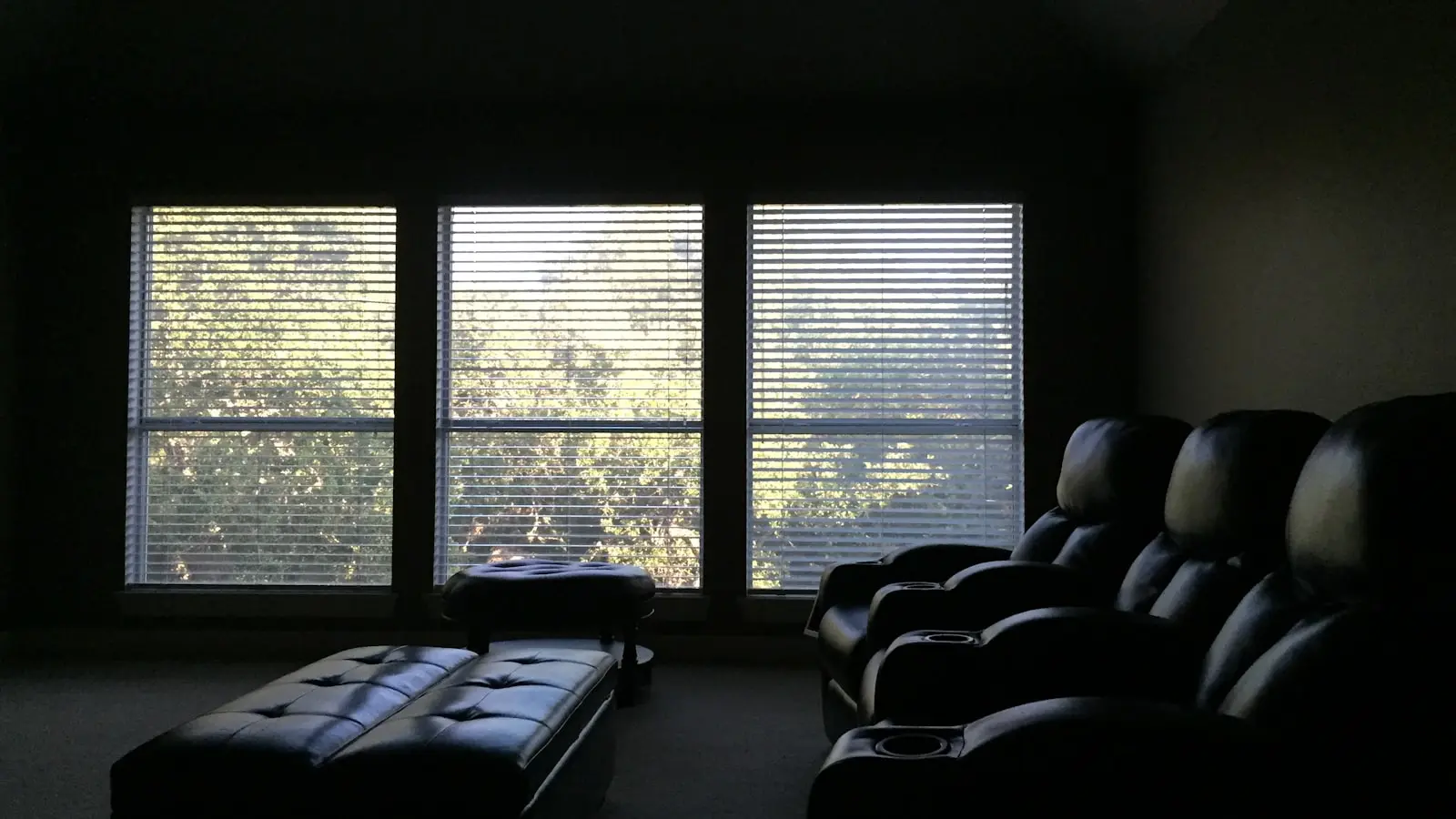
- The Living Room Environment: Consumer displays face ambient light pollution and lower peak brightness capabilities.
Compression and Bandwidth Constraints
Beyond the hardware, streaming platforms apply aggressive compression algorithms to minimize bandwidth usage. Data-intensive scenes—like those with low contrast or flickering shadows—suffer the most under this digital strain. Where a high-bitrate Blu-ray disc maintains the integrity of those dark gradients, streaming services frequently prioritize frame rate and resolution over bit-depth consistency in shadows. The outcome is often macroblocking, where dark textures dissolve into shifting, pixelated artifacts. (The digital rot is real.)
The Shift to Cinematic Realism
Television directors have increasingly abandoned the flat, high-key lighting styles of traditional broadcast television in favor of cinematic techniques. By mimicking the mood and atmosphere of big-screen films, they aim for realism and emotional weight. However, this aesthetic shift assumes a certain level of viewer equipment. While cinematographers argue for the adoption of OLED technology—which provides per-pixel lighting control and near-infinite contrast—the average viewer remains anchored to standard LED panels.
Practical Troubleshooting for Viewers
Industry experts and video tech enthusiasts often suggest several configuration changes to mitigate the problem. If a show appears unwatchable, consider the following:
- Disable Eco Mode: Many TVs ship with energy-saving features enabled, which artificially throttle peak brightness to meet regulatory standards.
- Turn Off Motion Smoothing: While not directly related to darkness, processing heavy algorithms can introduce artifacts that muddy high-motion, low-light scenes.
- Control Ambient Light: Even the best OLED panel will struggle against direct sunlight or overhead lamps reflecting off the screen surface.
- Calibrate Picture Modes: Avoid the factory ‘Vivid’ or ‘Dynamic’ modes, which often manipulate contrast levels in ways that lose shadow detail. Use ‘Cinema’ or ‘Filmmaker’ modes as a baseline.
Ultimately, the disconnect between the studio’s $30,000 reference monitor and the living room TV is a byproduct of a technology gap. Until OLED displays become universal and streaming platforms increase their bitrates significantly, viewers are forced to manually tune their hardware to compensate for a medium designed for perfection but delivered through compromise.