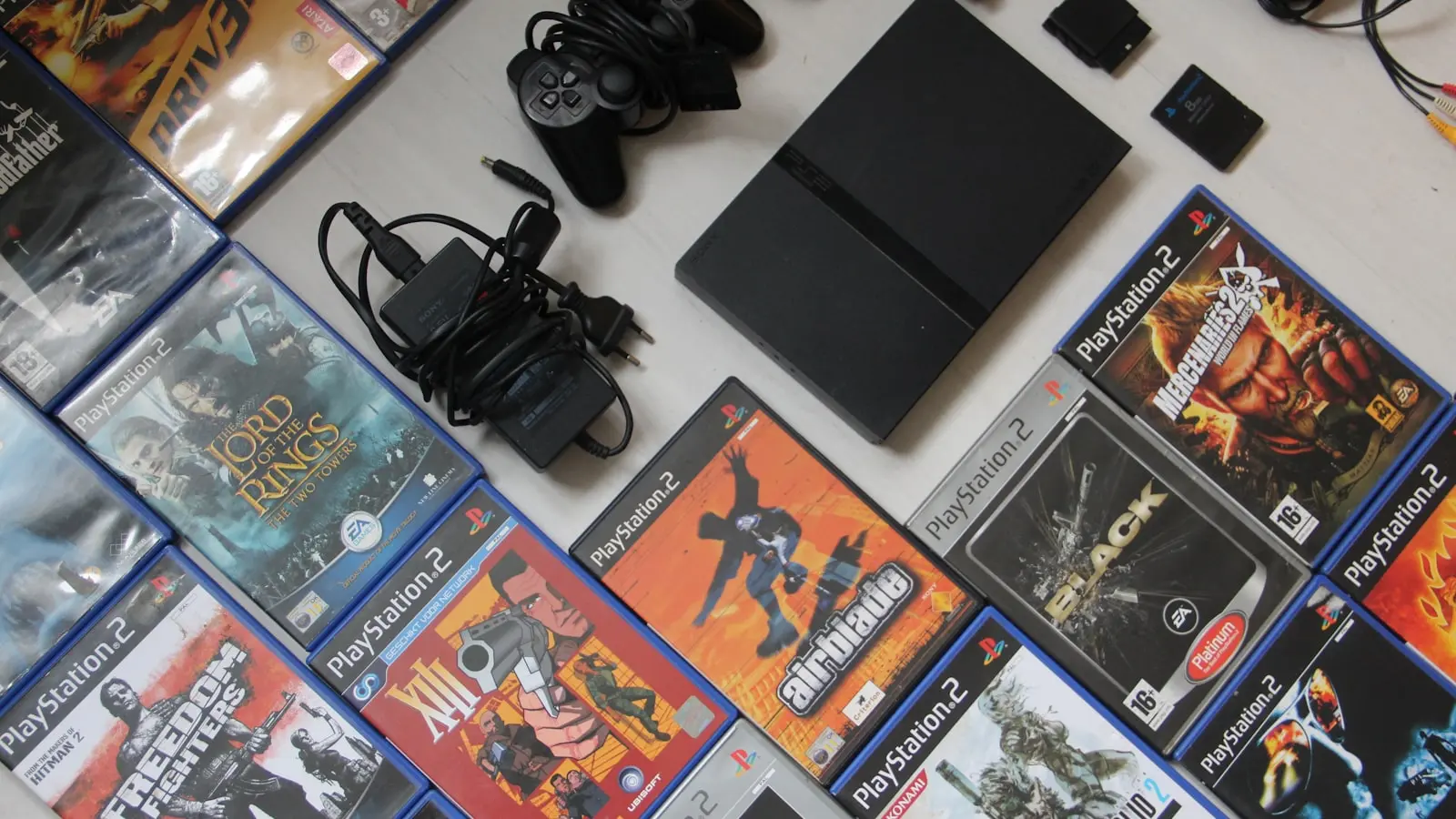
Physical game discs are not vanishing overnight, but a major milestone arrives in January 2028. Sony has confirmed that production of physical discs for all new PlayStation games will end at that point. This shift does not make existing discs obsolete, but it marks a clear move toward an all-digital future for console gaming.
Key Takeaways
- Sony will stop producing physical discs for new PlayStation games in January 2028.
- Existing disc games remain playable and unaffected by the change.
- Digital games are licensed, not owned, raising concerns about preservation and resale.
- The shift mirrors trends in music, movies, and PC gaming.
- Collectors should consider buying physical copies before 2028 to secure tangible ownership.
The Official Timeline: What Sony Announced
Sony’s official PlayStation blog, published on July 1, 2026, states that physical disc production for all new games releasing on PlayStation consoles will be discontinued starting January 2028. After that date, all new releases will be available only in digital formats through the PlayStation Store and participating retailers. This policy applies to every publisher, not just Sony’s first-party titles.
The announcement explicitly notes that games released before January 2028, whether already available or scheduled to ship on disc before the cut-off, are unaffected. You can still buy, play, and resell those discs. Sony framed the decision as a response to consumer preference: “the general preference for digital media significantly outpaces physical discs.” The blog post was covered by multiple outlets, including Hollywood Reporter and TechCrunch, which confirmed the details.
It is important to note that this does not immediately end all physical media. Existing stock of pre-2028 discs will continue to be sold by retailers until inventory runs out. However, no new disc-based titles will be produced after the cut-off. Future game boxes may contain nothing more than a download code.
Why Physical Discs Are Fading: Economic and Consumer Drivers
Publishers have strong financial incentives to go digital. Manufacturing, packaging, and shipping physical discs cost money, and those costs eat into profit margins. Digital distribution eliminates inventory risk, shelf-space fees, and the need for retail partners. It also provides instant access to games, which many players prefer over waiting for delivery or driving to a store.
Consumer behavior has shifted steadily. Industry reports show physical game sales declining year over year, while digital purchases grow. The COVID-19 pandemic accelerated this trend, as more people bought games online. Sony itself noted that the majority of its community already buys games digitally.
Another driver is the ability to control the used-game market. Digital sales cut out the second-hand trade, meaning publishers capture all revenue from each copy. Piracy is also harder with digital-only releases, though not impossible.
A telling example is Grand Theft Auto 6. Rockstar Games has already announced that GTA 6 will not have a physical disc version. This major title, expected to dominate holiday 2026 sales, will serve as a high-profile test of the all-digital model. If successful, other publishers are likely to follow.
What Happens to Existing Physical Games After Production Ends
After January 2028, you will still be able to play any disc-based game you already own or pick up a pre-2028 copy from a retailer. Sony has stated that the decision has no impact on games released before the cut-off. Your PlayStation 5 (or compatible console) will still read discs just as before.
However, the supply of new discs will dwindle over time. Once existing stock sells out, no more will be pressed. Gamers who want to buy a physical copy of a 2028+ game will be out of luck, unless they buy a pre-owned disc of an older game. Future consoles may also omit disc drives entirely. Sony has not confirmed hardware plans beyond the current generation, but it is reasonable to expect that disc-drive models will become less common or eventually phased out.
For those who already collect physical games, there is no immediate need to panic. Your library remains functional. But the window to buy new physical games is closing.
The Impact on Game Preservation and the Resale Market
Physical discs have long served as a reliable medium for game preservation. They work offline, are independent of server status, and can be backed up by archivists. Digital-only releases are fragile by comparison. If a game is delisted or a store shuts down, players may lose access permanently. The closure of the PlayStation Store for PS3 and PS Vita in some regions already highlighted this risk.
The resale market will shrink dramatically. Without new discs to trade, the supply of used games will eventually dry up. GameStop, a major retailer of physical games, has already closed more than 1,300 stores over the past two fiscal years, as reported by several news outlets. The business model of buying and selling used discs relies on a steady stream of new physical releases. That stream is about to be cut off.
Lending games to friends or family will also become impossible under digital-only distribution. You cannot lend a digital license the way you can hand a disc to someone.
Comparing to movies and music provides context. DVDs and Blu-rays still exist but occupy a niche market. Streaming dominates. Similarly, game discs may survive as a collector’s item but will no longer be the primary distribution method.
Can You Truly Own a Digital Game? Understanding Licenses vs. Ownership
When you buy a digital game, you are not purchasing the software. You are acquiring a license to use it under terms set by the publisher. These terms vary but typically restrict resale, transfer, and long-term access. The end-user license agreement (EULA) for most digital storefronts clearly states that the game is licensed, not sold.
This distinction matters. If a digital store shuts down or a publisher revokes a license, your access can vanish. Unlike a physical disc, which you can pop into a console offline, a digital download requires server authentication and ongoing platform support. The recent closure of the PS3 and PS Vita stores in some regions served as a warning: games purchased digitally became unplayable for some users who had not downloaded them in time.
Consumer rights around digital ownership are limited. There is no legal guarantee of perpetual access. The concept of “ownership” becomes a matter of trust in the platform. Physical discs, for all their inconveniences, offer a tangible and permanent copy that no one can take away from you.
What Physical Media Might Survive? (Alternatives)
While Sony’s move is significant, other console makers have not followed suit. Nintendo has made no announcement about ending physical game production for the Switch or its successor. Microsoft continues to support physical discs for Xbox. Neither company has signaled a similar timeline, though their digital storefronts are thriving.
PC gaming has been almost entirely digital for years. Steam, Epic Games Store, and other platforms have replaced physical discs. Console physical media is the last holdout. Niche publishers may continue to produce small-run physical discs for collectors and enthusiasts, but these will be exceptions, not the norm.
Limited edition and collector’s editions will likely survive, but they may contain download codes instead of discs, just as many movie collector’s sets now ship with digital codes rather than Blu-rays.
The bottom line: physical game discs will not disappear entirely by 2028, but as a primary format for new releases on PlayStation, they will cease to exist. Gamers who value ownership, preservation, and the ability to trade or lend games should consider buying physical copies of games they care about before the cut-off date. For everyone else, the digital transition offers convenience and instant access — but with important trade-offs in terms of control and permanence.
FAQ
When exactly will Sony stop producing PlayStation game discs? Sony’s official announcement states that production of physical discs for all new games will end in January 2028.
Will I still be able to play my existing disc games after 2028? Yes. Only new game releases after January 2028 will be digital-only. All previously released disc games will continue to work on compatible PlayStation consoles.
How does digital game ownership differ from owning a physical disc? Digital games are licensed, meaning you do not own the game file and cannot resell or permanently access it if the store shuts down. A physical disc gives you a tangible copy that works offline and can be resold or traded.