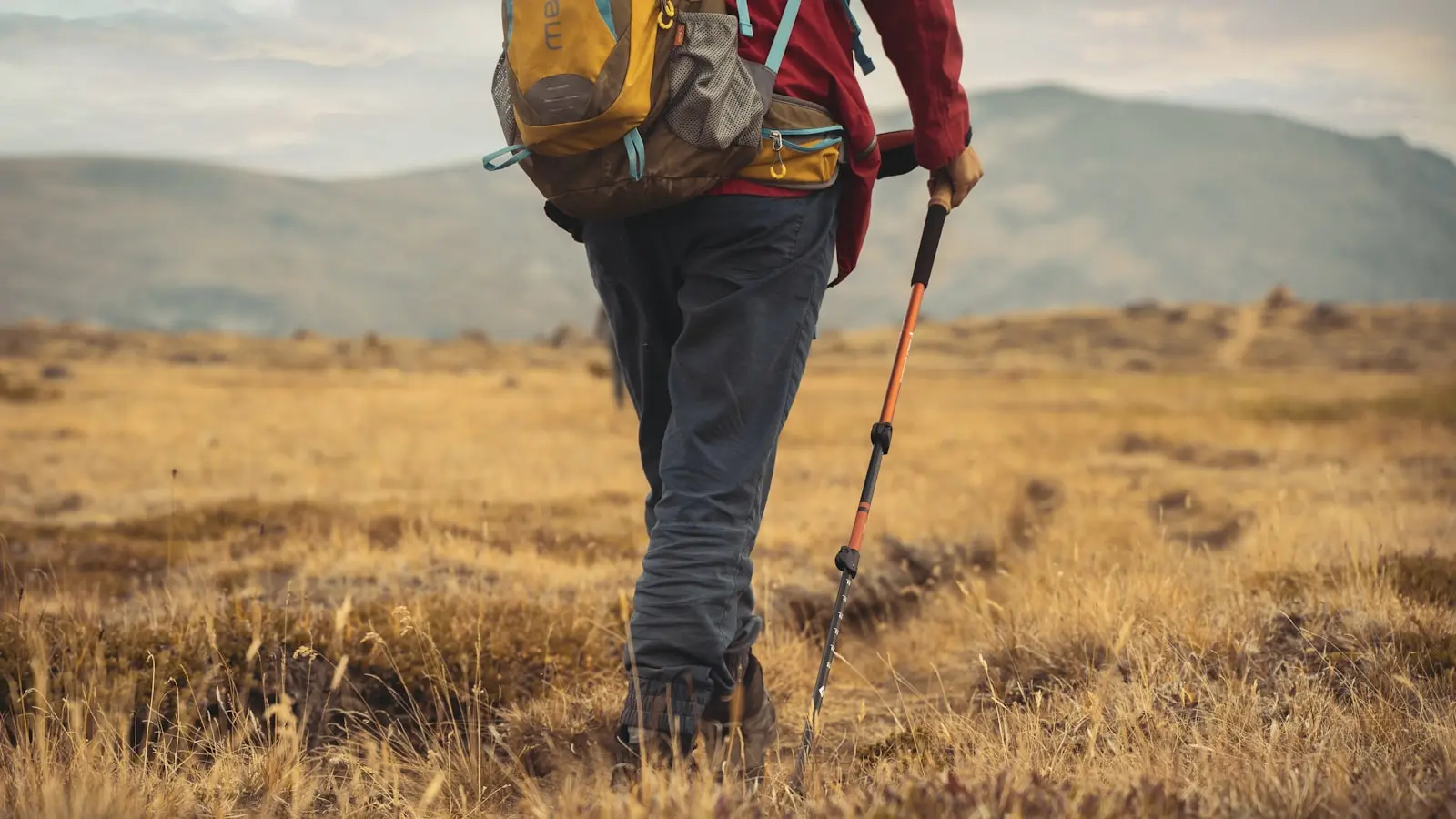
Leg ache after a long hike is almost always due to delayed onset muscle soreness (DOMS), a normal response to the eccentric loading of downhill steps and increased mileage. While uncomfortable, it typically peaks at 24–48 hours and resolves on its own. However, electrolyte losses, poor footwear, or overuse can amplify the pain, and certain warning signs require medical attention.
Key Takeaways:
- Leg pain after hiking is primarily DOMS from eccentric contractions, not lactic acid.
- Electrolyte imbalances and improper footwear can intensify soreness.
- Normal soreness feels diffuse and improves with movement; sharp, localized pain warrants a doctor visit.
- A structured 48-hour recovery plan — rehydration, light stretching, active recovery — reduces discomfort.
- Prevention relies on progressive training, proper gear, and on-trail hydration.
What Actually Causes Leg Pain After Hiking?
Delayed Onset Muscle Soreness (DOMS) is the primary mechanism. Hiking, especially downhill, forces your quadriceps, calves, and glutes to contract while lengthening under load — called eccentric contraction. This creates microscopic tears in muscle fibers. The resulting inflammation and fluid shift trigger pain and stiffness that peak a day or two later. Lactic acid is not the culprit; it clears within an hour of stopping.
Electrolyte Imbalance adds to the problem. Heavy sweating during a hike depletes sodium, potassium, and magnesium. Low sodium can cause muscle cramps, while inadequate magnesium may prolong soreness. Drinking only plain water without replacing electrolytes can worsen these symptoms.
Footwear and Gait Issues shift mechanical load unevenly. Boots with poor arch support or worn-out soles force your calves and shins to absorb more shock. Ill-fitting boots can also cause blisters or contribute to shin splints. Over time, this leads to disproportionate fatigue in the lower legs.
Overuse and Conditioning Lag are common when you increase distance or elevation too quickly. Connective tissues need gradual adaptation. A sudden jump from weekend walks to a full-day mountain hike strains muscles, tendons, and fascia beyond their current capacity.
Normal Soreness vs. Warning Signs
Normal DOMS feels like a diffuse, dull ache across multiple muscle groups. Your legs may feel stiff, tender to touch, and weak. This type of pain improves with gentle movement and typically fades within 72 hours.
Injury signals are different. Sharp, localized pain — especially on one spot — suggests a muscle strain, tendonitis, or a stress fracture. Swelling, bruising, or an inability to bear weight require prompt evaluation.
Common overuse injuries include Achilles tendinitis (pain at the back of the heel), patellofemoral pain (around the kneecap), and plantar fasciitis (underside of the heel). These often feel worse the morning after hiking or during the first few steps.
When to worry: Numbness, tingling, or severe tightness in one part of the leg — particularly the shin — may indicate compartment syndrome, which is rare but serious. Likewise, point tenderness over a bone that hurts even at rest could be a stress fracture. In these cases, see a doctor promptly.
The 48-Hour Recovery Protocol
Immediate Post-Hike (0–2 hours): Rehydrate with water plus an electrolyte drink to replace lost sodium and potassium. Within 45 minutes, eat a snack with protein and carbohydrates — such as a turkey sandwich or a protein shake — to support muscle repair. Keep walking slowly for 5–10 minutes to prevent blood from pooling.
First Evening: Do light static stretching, holding each stretch for 15–30 seconds without bouncing. Focus on calves, hamstrings, quadriceps, and hip flexors. Use a foam roller on your calves and quads if tolerated. Elevate your legs while sitting or lying down. Apply ice to any joints that feel hot or swollen for 15 minutes.
Next Morning through 48 Hours: Engage in active recovery — a short, flat walk, swimming, or cycling at low intensity. This helps clear metabolic waste and reduces stiffness. Contrast baths (alternating warm and cool water) may reduce perceived soreness. Compression gear (sleeves or tights) can provide comfort, though evidence that it speeds recovery is mixed. Continue hydrating and include anti-inflammatory foods such as tart cherry juice or omega-3-rich fish.
Avoid: Complete bed rest, which slows recovery, and aggressive stretching of already torn fibers, which may increase damage.
How to Prevent Leg Pain on Your Next Hike
Progressive Training is the most effective strategy. Increase weekly mileage and elevation gain by no more than 10–20 percent. Incorporate strength exercises like lunges, step-ups, and calf raises twice a week to condition the muscles and connective tissues.
Pacing and Terrain Management reduce cumulative stress. Shorten your stride on descents to decrease eccentric load on the quadriceps. Use trekking poles to transfer some weight from your legs to your upper body. Take brief breaks every hour; shake out your legs and drink a few sips.
Pre-Hike Routine should include a dynamic warm-up: leg swings, walking lunges, high knees, and ankle circles for 5–10 minutes. This increases blood flow and prepares the muscles for movement patterns. Hydrate well before you start.
Footwear Fit matters more than many realize. Choose boots with a roomy toe box, a firm heel counter, and removable insoles that can be replaced with custom orthotics if needed. Replace worn soles every 300–500 miles. If you have flat feet or high arches, consider insoles that match your arch type to distribute impact evenly.
Nutrition on Trail keeps muscles fueled. Aim for 0.5–1 liter of fluid per hour, adjusting for heat and exertion. Include snacks with sodium and carbs — trail mix, electrolyte chews, or pretzels — to maintain electrolyte balance and delay fatigue.
FAQ
Does stretching after hiking really reduce soreness, or is it a myth? Static stretching immediately after a hike does not prevent DOMS, but it can ease subjective tightness and improve flexibility. Dynamic stretching and foam rolling may offer modest relief. The most effective approach is a mix of gentle movement, hydration, and proper nutrition.
How much water and electrolytes should I take on a long hike? A general guideline is to drink to thirst, about 0.5–1 liter per hour. For hikes exceeding two hours or in hot weather, include an electrolyte source such as a sports drink or electrolyte tablets to replace sodium lost in sweat. Individual needs vary with sweat rate and climate.
When should I see a doctor for leg pain after hiking? Seek medical evaluation if the pain is sharp, localized, or accompanied by swelling, bruising, numbness, or the inability to walk normally. Pain that persists beyond three to five days despite active recovery also warrants a checkup. Red-flag symptoms like severe shin tightness or point tenderness on bone should be assessed promptly.