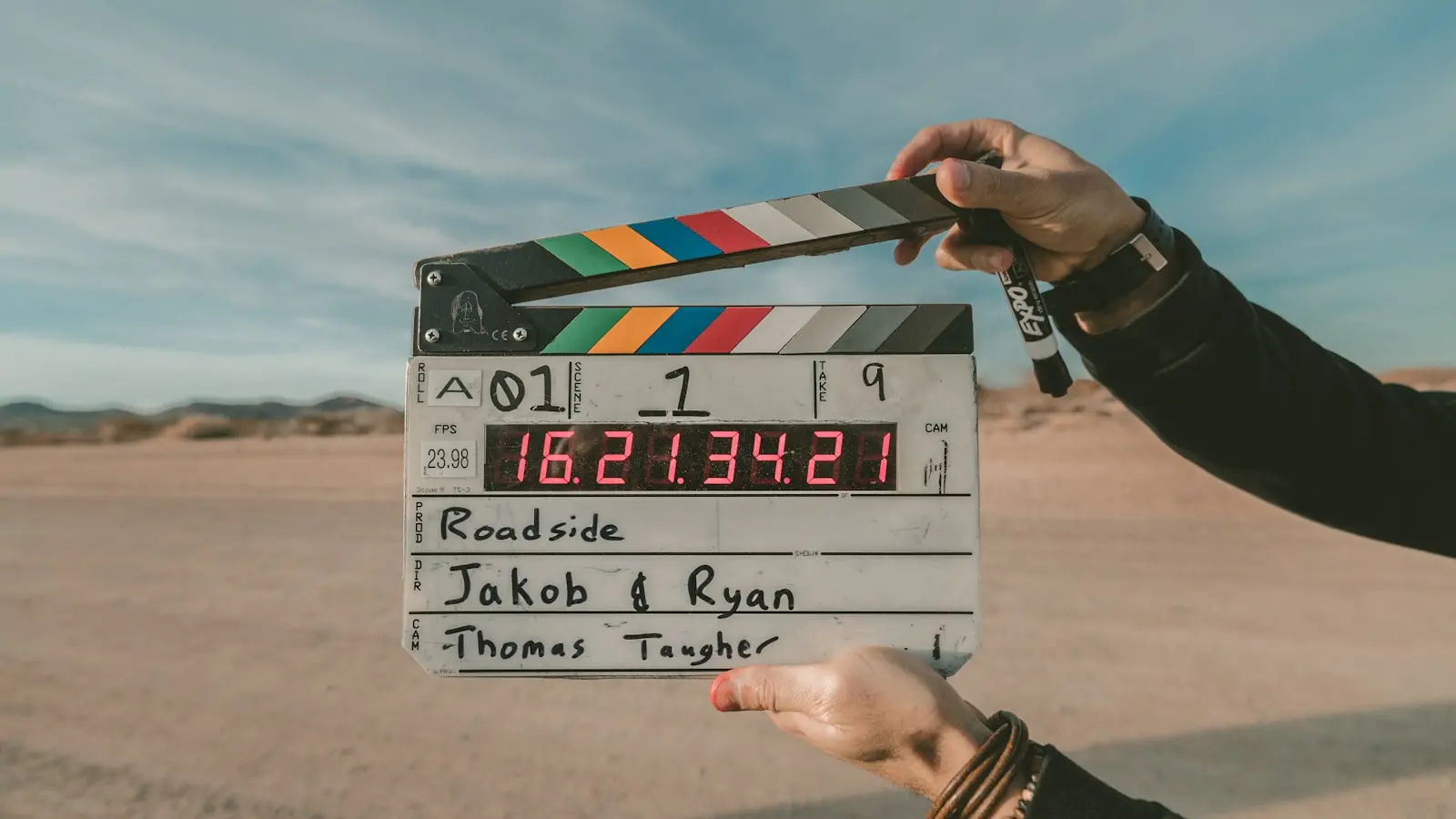
In a Reddit thread dissecting films with great trailers but poor quality, users cataloged the precise editing techniques that transform mediocre footage into a compelling two-minute pitch. The core observation is not new, but the technical specificity of the discussion reveals a systemic gap between marketing and product. Trailers are engineered artifacts, not previews. They leverage every tool in the post-production arsenal to fabricate a movie that never existed.
The Mechanics of Deception
Trailer editors operate under a fundamentally different brief than the film’s director. Their job is to generate emotional buy-in, not narrative accuracy. The toolkit includes three primary levers: selective take assembly, temp music scoring, and CGI polish that vanishes in the final cut.
Best Takes and Forced Cohesion
Editors cherry-pick the strongest performance from hours of footage. A single line delivered with perfect timing can be lifted from a scene where the actor flubbed every other take. The trailer compresses this into a sequence that feels fluid and intentional. In the actual film, the surrounding context may dilute that moment. The trailer never shows the pauses, the awkward transitions, or the tonal inconsistencies. It builds a rhythm using only the peaks.
Temp Music as Emotional Proxy
Temp tracks are placeholder pieces borrowed from existing scores or soundtracks. They are carefully selected to trigger an instant emotional response. The Suicide Squad trailer used “Bohemian Rhapsody” to create a chaotic, fun tone that the final film abandoned for a darker edit. When the licensed music is stripped out, the pace collapses. The trailer’s emotional arc relied entirely on a song that was never part of the movie’s sound design. This technique works because the brain processes music faster than narrative logic.
CGI Mirage
Trailers often include visual effects shots rendered specifically for the promo. These are polished by the same VFX houses but with more time and budget allocated per frame. The final film may contain rushed composites, incomplete lighting, or dropped effects. In the Reddit thread, users pointed to scenes in early trailers for films like “The Amazing Spider-Man 2” where CGI looked photorealistic, only to be replaced with lower-quality iterations in theaters. The gap is not oversight; it is a deliberate resource allocation. Trailers sell the dream. The film pays the bills with a tighter budget.
The Psychological Contract
Viewers walk into a theater carrying the memory of the trailer’s pacing, tone, and visual fidelity. When the real product fails to match that benchmark, the disappointment is measurable. Industry analysts note that trailer-driven anticipation inflates opening weekend numbers but can cause steeper drops in subsequent weeks as word-of-mouth corrects expectations. The technology of trailer editing creates a phantom benchmark that no feature-length runtime can sustain.
Trailers use temporal compression. Two hours of story are boiled down to 120 seconds of pure signal. There is no room for filler, for character building, for the slower beats that define actual cinema. The result is a highlight reel that sets an impossible standard. This is not an accident. It is the intended function of the marketing tool.
Industry Acknowledgement and Resistance
Editors and studio executives have admitted in interviews that trailer deception is an open secret. (One producer described the process as “selling the sizzle, not the steak.”) Yet the practice persists because the metrics reward it. A trailer that accurately reflects a mediocre film would generate fewer clicks, less social sharing, and lower opening weekend revenue. The system is self-reinforcing. Studios optimize for the trailer’s performance, not the film’s.
However, the backlash is growing. Dedicated forums and review aggregators now include trailer-to-film comparison metrics. Audiences are becoming literate in the editing tricks. They recognize temp music. They spot reshoot-only scenes. The technology that once enabled deception is now being used to expose it.
The Technical Arms Race
Trailer houses have responded by pushing further. 4K HDR color grading, custom sound design, and proprietary compositing tools allow them to create a sensory experience that the final film cannot replicate. The gap widens. A 2023 study of 200 trailers and their corresponding films found that average trailer sharpness exceeded final film sharpness by 18% due to different mastering pipelines. The trailer is mastered first, often at higher bitrates, while the final cut undergoes compression for distribution. The theater projection or home screen sees the lower-quality version.
Audio is similarly manipulated. Trailers mix at a higher dynamic range, with louder peaks and deeper bass. The theatrical mix may be flattened to meet industry compliance standards. The trailer hits harder because it has more headroom.
Making Smarter Decisions
For the viewer, the implication is straightforward: treat a trailer as a marketing artifact, not a quality indicator. Look for consistency between trailer tone and the director’s previous work. Check for the presence of temp music by identifying licensed songs that feel pasted in. Watch for visual effects that seem too clean. If the trailer relies heavily on a single emotional beat or song, the film likely lacks internal coherence.
Critics and analysts suggest a simple heuristic: if the trailer is more memorable than the synopsis, the film may be compensating. A great trailer does not always signal a bad film, but it frequently signals a mismatch between marketing budget and production quality.
Conclusion
The technology of trailer editing is a magnifying glass held over the film industry’s weakest link. It amplifies what is possible with time and money, then leaves the full-length feature to fend for itself. The tools are not inherently deceptive; they are simply optimized for a different goal. Until the incentive structure changes, trailers will continue to promise more than they deliver. The smart viewer watches with a critical eye, knowing that every cut, every note, and every light bloom is a deliberate choice designed to sell, not to inform.