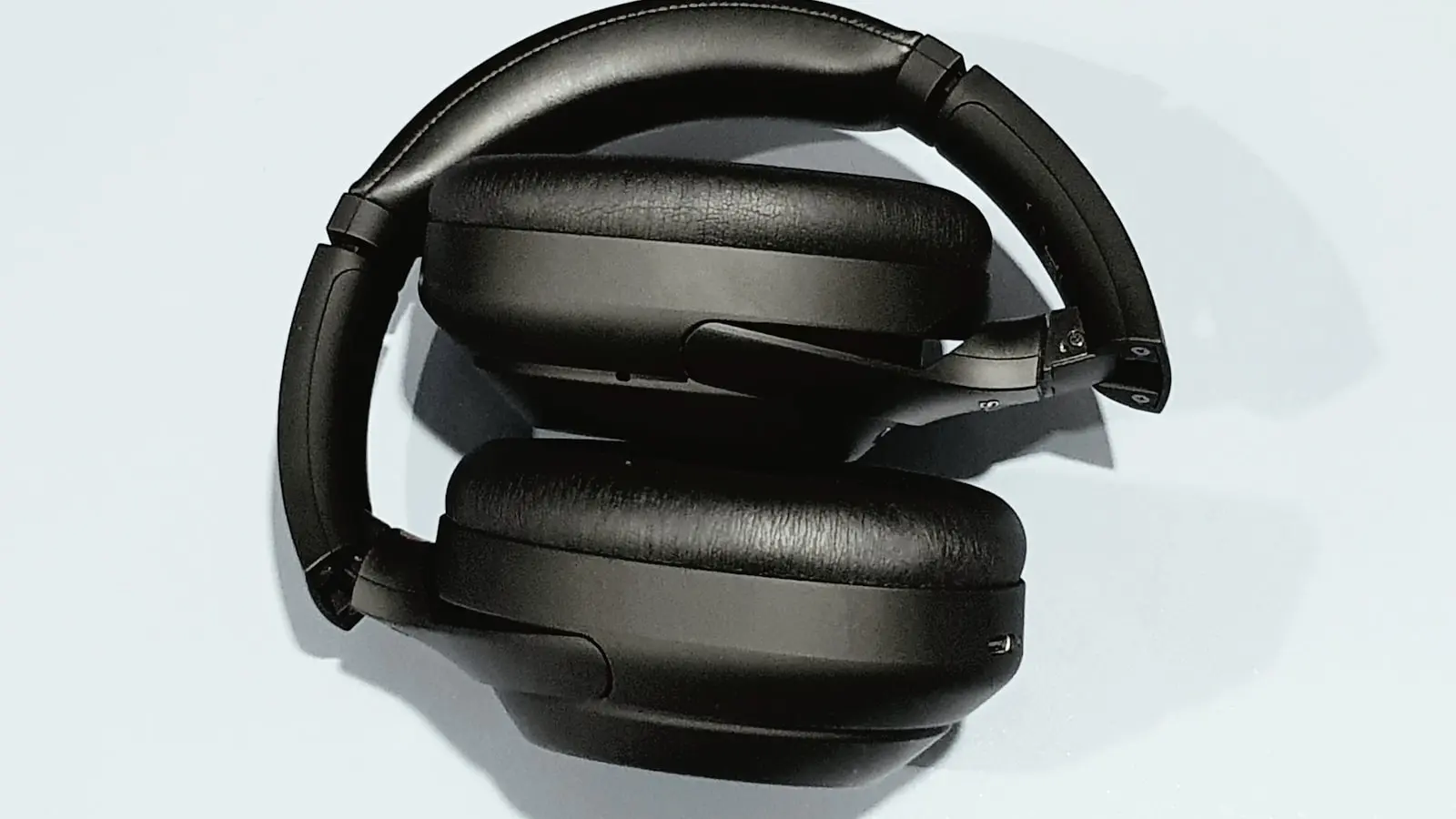
Consumers routinely unbox premium audio hardware expecting sterile acoustic isolation, only to encounter severe inner ear pain. High-end active noise-canceling headphones eliminate environmental hums effectively. They also routinely induce nausea, dizziness, and a physical sensation mirroring sudden cabin depressurization on a commercial airliner. Hardware manufacturers rarely advertise this physiological reaction. The technology functions precisely as engineered. The human biological receiver simply rejects the simulation.
Understanding this limitation requires examining the intersection of acoustic engineering and human biology. Active noise cancellation does not rely on physical barriers to block soundwaves. It relies on processing power and destructive interference. External microphones monitor the ambient environment. Onboard digital signal processors analyze these low-frequency waveforms. The hardware then generates an exact, inverted replica of the ambient sound wave. Speaker drivers push this counter-wave into the ear canal simultaneously with the original noise. The peaks of the ambient wave meet the troughs of the inverted wave. They neutralize each other. The low-frequency rumble vanishes entirely. The listener hears silence.
(Engineers calculate success strictly through decibel reduction metrics, ignoring the sensory toll this mathematical perfection extracts.)
The Biological Disconnect
This sudden absence of low-frequency audio triggers a severe biological disconnect. Human ears utilize multiple sensory inputs to determine environmental status. For thousands of years, the brain has associated specific acoustic profiles with atmospheric density. Deep, continuous rumbles exist constantly in standard atmospheric pressure environments. When a processor aggressively strips these low-frequency signals from the acoustic mix, the brain registers a sudden environmental anomaly. It interprets the missing audio data as a rapid drop in barometric pressure. The physical eardrum does not stretch or bow. The pressure remains entirely stable. The brain simply manufactures a psychosomatic reaction. It feels absolutely real.
Comparing this phenomenon to traditional motion sickness clarifies the biological mechanism. Motion sickness occurs when the eyes perceive a static environment while the inner ear detects physical movement. The sensory conflict induces nausea. Active noise cancellation forces an auditory variant of this exact sensory conflict. The inner ear registers standard atmospheric pressure. The auditory cortex registers the acoustic signature of extreme high altitude. The body responds to this data discrepancy with dizziness, fatigue, and sharp earaches.
The Algorithm Arms Race and Sensory Conflict
Audio brands spent the past decade escalating an algorithm arms race. Market dominance requires claiming the highest percentage of neutralized ambient sound. Sony, Apple, and Bose continually overhaul their digital signal processing chips to push the noise floor lower. As processing speeds increased, the inverted sound waves became faster and more precise. The resulting acoustic void became deeper. Complaints of physical discomfort scaled proportionately with these technological advancements.
A processor dropping ambient noise by thirty decibels across the low-frequency spectrum mimics the barometric shift of driving a vehicle up a steep mountain grade in under twenty seconds. Hardware optimization focuses purely on extending battery life during heavy processing loads and improving microphone sensitivity. Very few manufacturers program their processors to account for biological tolerance. Spec sheets list signal-to-noise ratios. They omit the reality of user fatigue.
Hardware Interventions and Acoustic Alternatives
Users experiencing this psychosomatic pressure must overhaul their hardware configurations and usage habits. Disabling the active noise cancellation circuit periodically remains the most immediate intervention. System administrators and audio engineers frequently document setting hourly timers to drop the artificial acoustic seal, allowing the brain to recalibrate using standard environmental audio data. Firmware implementations on premium headsets increasingly offer ambient or transparency modes. These modes reverse the digital signal processor functionality. Instead of inverting the ambient waveform, the microphones pass external audio directly through the drivers. This forces low-frequency data back into the ear canal. The psychosomatic pressure dissipates instantly.
(Relying on a processor to fix a biological problem created by a processor represents a circular, frustrating ecosystem loop.)
For users unable to tolerate phase inversion technology, hardware alternatives provide the only permanent solution. Evaluating the cost-to-performance ratio requires analyzing passive acoustic isolation capabilities alongside absolute cancellation.
- In-Ear Monitors (IEMs): These rely on dense silicone or memory foam tips inserted directly into the ear canal. They block soundwaves physically. No processing occurs. No inverted waves trigger the brain. Passive isolation prevents the sensory conflict entirely.
- Closed-Back Over-Ear Headphones: High clamping force and high-density leather ear pads create a physical barrier around the ear. Low-frequency rumbles still penetrate the materials, maintaining the brain’s atmospheric baseline, but high-frequency distractions shatter against the foam.
- Open-Back Headphones: Drivers sit behind a perforated external grill. Air and sound move freely through the ear cup. Acoustic pressure never accumulates. They offer zero noise isolation but guarantee infinite listening endurance without physiological strain.
Optimizing the Purchasing Decision
When allocating budgets for audio hardware, buyers must prioritize real-world usability over theoretical promises. Hardware that neutralizes airplane engine noise holds zero practical value if the user must remove the headset after thirty minutes to prevent a migraine. The evaluation process demands testing the specific active noise cancellation implementation under load. Different brands deploy different processor curves. Some algorithms attack the lowest frequencies ruthlessly, triggering rapid psychosomatic responses. Other algorithms target mid-range frequencies, leaving enough low-end rumble to satisfy the brain’s barometric baseline.
Software ecosystem optimization dictates long-term viability. High-end hardware ecosystems increasingly provide granular control over the digital signal processor. Mobile applications companioning the hardware often feature sliding scales for noise cancellation intensity. Dropping the processing power from maximum to medium frequently eliminates the ear pain while still neutralizing the most distracting environmental interference. Hardware limits constrain software fixes, but dialing back the algorithm reduces friction.
The ultimate metric for enterprise or personal audio hardware remains seamless integration into daily workflows. If the internal acoustics of a headset require active management, biological recalibration, and frequent breaks, the technology fails the usability test. Active noise cancellation remains a brilliant application of acoustic physics. However, forcing mathematical perfection onto a biological receiver built for environmental awareness guarantees conflict. Buyers must recognize this fundamental physiological limitation. Specs matter only when they facilitate uninterrupted use. Discomfort proves the limits of the processor.