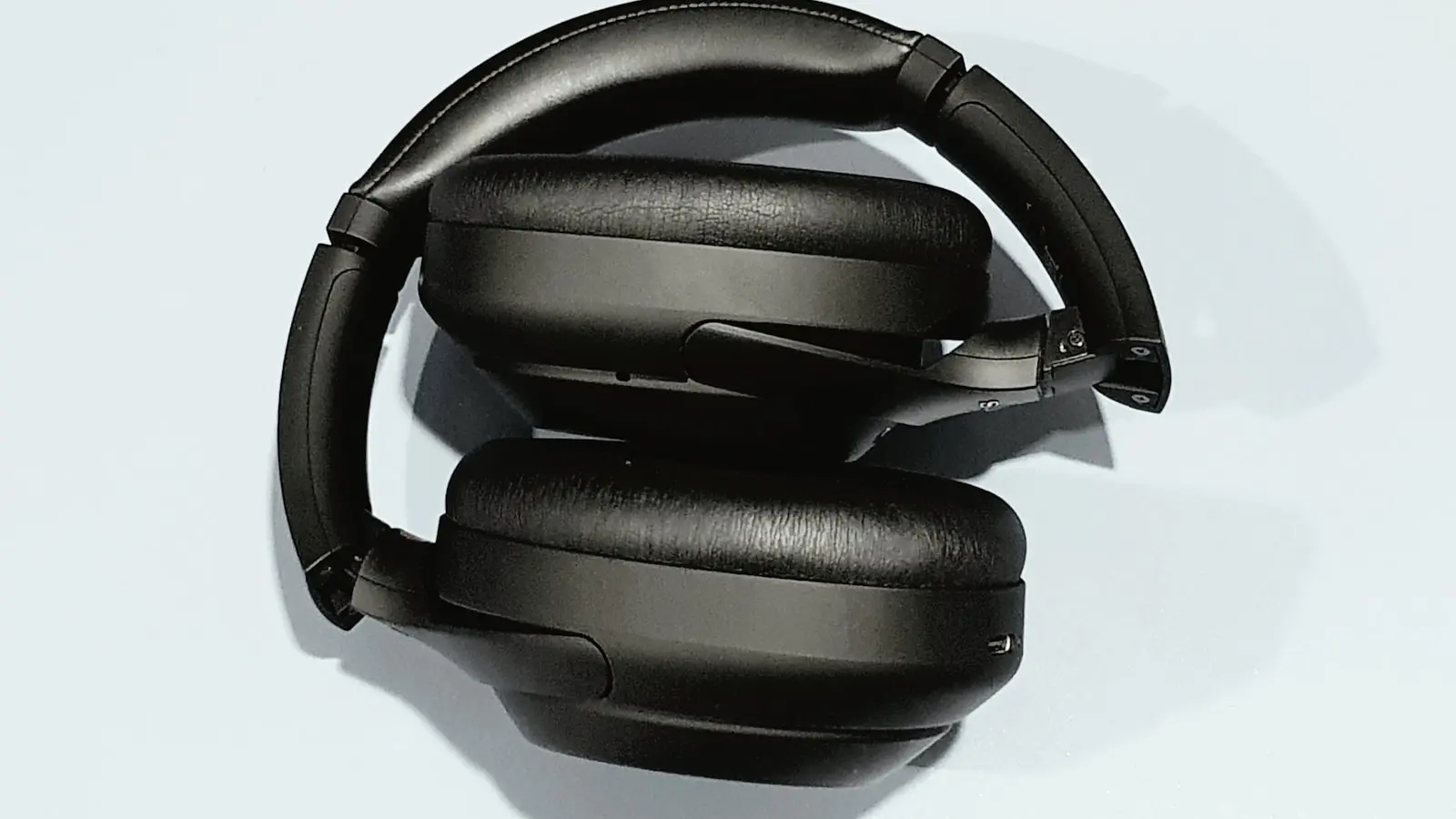
Buyers frequently unpack premium audio hardware, slide the aluminum ear cups over their heads, and immediately experience a sudden wave of physical nausea. A high-end transaction results in an instant headache. The active noise canceling feature functions flawlessly, stripping away the ambient roar of the local environment. Yet, the biological response translates this technological success into sharp discomfort. The ear feels violently pressurized. The listener registers a physical fullness identical to ascending rapidly in a commercial airliner.
This discomfort represents a direct collision between digital signal processing and human psychoacoustics. The pain is entirely real to the user, but the atmospheric pressure causing it is a biological hallucination.
Modern hardware isolates the human senses too effectively. When a digital signal processor successfully eliminates low-frequency ambient noise, it inadvertently cuts off critical environmental data the brain relies upon to calculate spatial positioning. The resulting friction between what the ear hears and what the body expects creates a psychosomatic reaction. The hardware executes its commands perfectly. The human nervous system simply rejects the output.
The Physics of Destructive Interference
Active noise cancellation does not build a physical wall against incoming sound waves. It actively fights sound with mathematically inverted sound. Hardware manufacturers embed tiny, highly sensitive microphones along the exterior chassis of the headphone. These exterior sensors continuously sample the acoustic environment, searching specifically for persistent, low-frequency sound waves. They target the drone of an airplane engine, the hum of an office air conditioning unit, or the low-pitch grind of subway wheels against steel tracks.
Once the external microphones capture the ambient waveform, the internal chip calculates the exact geometric inverse of that sound wave. The headphone drivers then broadcast this inverted phase into the ear canal at the exact same time the original ambient noise reaches the listener. When the positive pressure of the outside noise collides with the negative pressure of the synthesized audio, the two waves neutralize each other completely. This is the mechanism of destructive interference.
This computational loop happens in fractions of a millisecond. The heavy acoustic blanket of the modern world vanishes instantly. High frequencies often bleed through, but the exhausting low-level drone is eradicated. Engineers measure this isolation in decibels and chart the suppression curves to market their superior chip architecture. They optimize the silicon to hunt deeper frequencies and respond with tighter latency. They chase algorithmic perfection.
The Sensor Mismatch and Vestibular Panic
When algorithms chase perfection, they ignore biological limitations. The brain interprets the physical world by constantly cross-referencing multiple sensory inputs. The inner ear does not just process audio frequencies. It also manages balance, spatial awareness, and atmospheric pressure changes.
In the natural world, a sudden and total vacuum of low-frequency ambient noise occurs under only one specific condition. Rapid altitude shifts. When a human ascends rapidly, atmospheric pressure drops, the eardrum stretches slightly outward, and low-frequency hearing is temporarily muffled until the Eustachian tube equalizes the pressure. Human biology spent millennia hardwiring this specific association.
When a user activates a premium ANC circuit, the destructive interference suddenly deletes the low-frequency data from the audio spectrum. The inner ear registers the absolute silence in the bass frequencies. The brain immediately cross-references this sudden quiet against its physiological database and reaches a logical, albeit incorrect, conclusion. It assumes the atmospheric pressure has plummeted.
The nervous system braces for a physical change that never arrives. The brain commands the body to feel the pressure drop, resulting in the sensation of a stuffed ear, a sharp earache, or profound motion sickness. (The system acts purely on predictive logic). The eardrum itself has not moved a millimeter. The atmospheric pressure inside the ear cup matches the pressure in the surrounding room exactly. The pressure drop is a synthetic illusion engineered by the audio chip.
The Consequence of Algorithmic Escalation
Complaints regarding audio-induced motion sickness have escalated sharply over the last decade. Early noise-canceling headsets, initially designed for aviation pilots, utilized rudimentary analog circuits that managed to dull heavy engine noise but left plenty of ambient artifacts behind. The acoustic seal was never tight enough to trigger a vestibular panic response.
Consumer electronics conglomerates changed the mathematical landscape. The current competitive audio market demands total acoustic isolation. High-end lifestyle brands continuously push the boundaries of their digital signal processors to achieve absolute silence. They deploy multi-microphone arrays, dynamic frequency shifting, and heavy artificial intelligence processing to predict and neutralize complex noises.
The noise floors have dropped to near-absolute zero. The resulting acoustic chamber feels deeply unnatural. As the isolation algorithms become more aggressive, the psychosomatic illusion intensifies. A more efficient algorithm directly yields a more painful pressure simulation for sensitive listeners. The audio tech industry has reached a point of diminishing returns, where greater mathematical capability actively degrades the everyday user experience.
Navigating Hardware Mitigations
Consumers trapped between expensive hardware and biological rejection possess several distinct mitigation strategies. Software adjustments provide the immediate first line of defense. Most premium headphones require companion mobile applications to manage firmware updates and EQ settings. These applications frequently include an adjustable slider for the active noise cancellation intensity.
Dialing the algorithm back from maximum isolation to a moderate setting allows a narrow band of low-frequency ambient noise to bleed through the destructive interference barrier. Reintroducing this subtle environmental hum breaks the psychosomatic illusion. The brain receives just enough acoustic data to confirm the atmospheric pressure remains stable, instantly relieving the perceived physical tension.
If software adjustments fail to resolve the vestibular friction, users must rely on physical hardware interventions. Enthusiast audio forums routinely advise sufferers to disable the ANC feature periodically, forcing the ears to recalibrate to ambient reality. Long uninterrupted listening sessions under heavy algorithmic suppression inevitably compound the pressure illusion.
The absolute mechanical solution requires abandoning closed-back, noise-canceling hardware entirely. Switching to open-back headphones removes the acoustic chamber altogether. Open-back designs utilize perforated ear cups that allow air and sound to flow freely through the driver housing. They offer zero active cancellation and zero passive isolation. They leak audio into the room by design.
By ensuring the ear remains physically ventilated and acoustically connected to the environment, open-back hardware naturally prevents any atmospheric confusion. They demand a quiet room to operate effectively, but they guarantee the brain will never fabricate a pressure anomaly. For users suffering from severe audio motion sickness, the loss of portability represents a necessary trade-off for physical comfort. (Hardware specs matter only if the user can actually wear the device). Evaluating audio gear requires understanding the biological toll of the technology, not just reading the decibel reduction charts on the packaging.