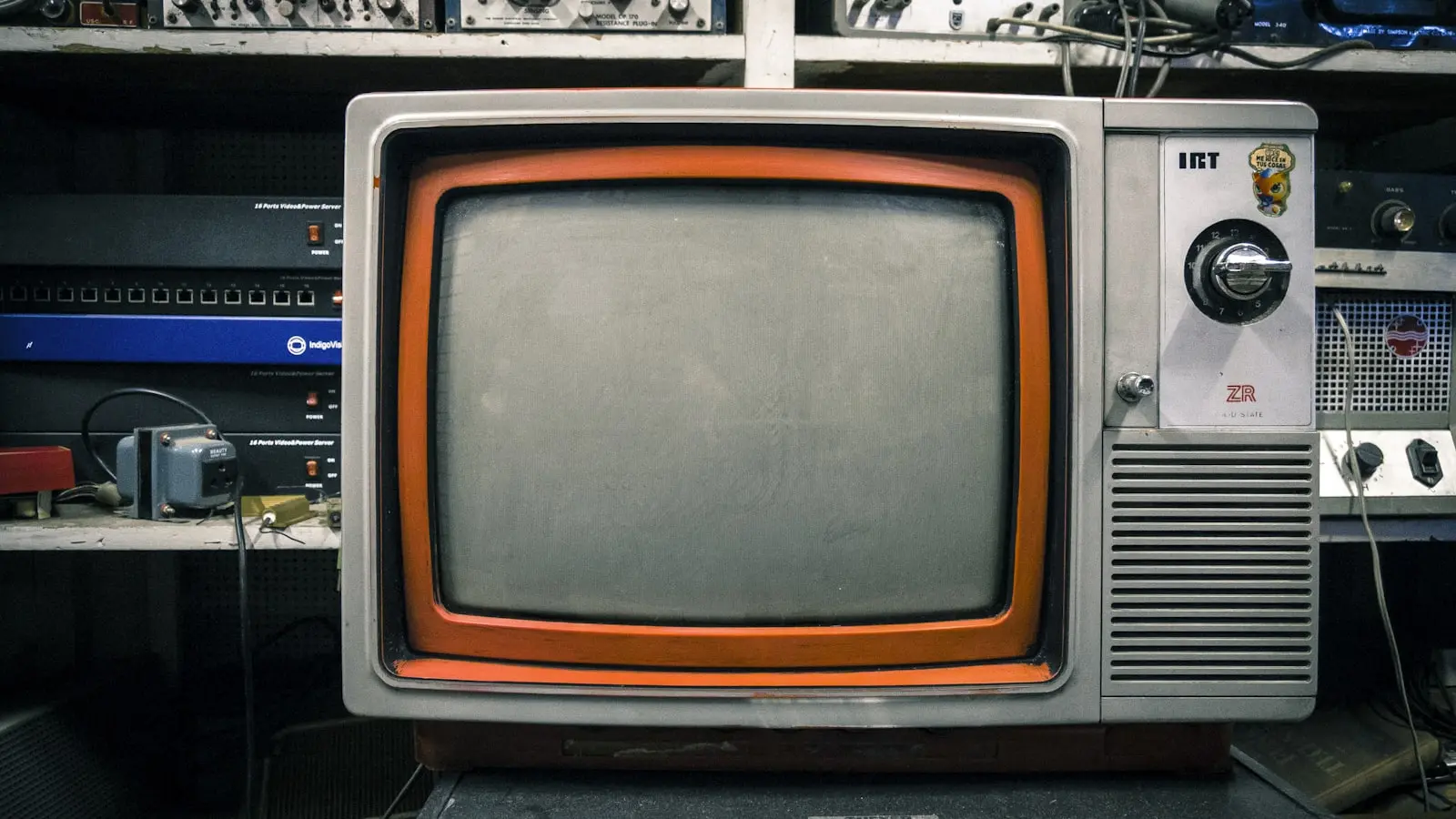
The move from 4:3 to 16:9 was driven by a mix of cinema evolution, human visual biology, and the need for a single HDTV standard. While 4:3 served TV and film for decades, the rise of widescreen movies and the limits of letterboxing made a wider format inevitable. Yet 4:3 still has advantages for certain content, which is why creators and viewers are revisiting it today.
Key Takeaways
- The 4:3 ratio originated from early film stock standards and dominated TV for over 50 years.
- Hollywood introduced widescreen formats in the 1950s to compete with television, creating a mismatch with home screens.
- Human peripheral vision is wider than it is tall, and the 16:9 ratio was chosen as a compromise between 4:3 and cinema widescreen.
- For the same diagonal size, a 4:3 screen actually has about 12.5% more area than a 16:9 screen, but that extra height is less useful for modern movie content.
The Origin of 4:3: From Silent Film to Television Standard
The 4:3 aspect ratio, also written as 1.33:1, was adopted by the Society of Motion Picture Engineers in 1917 as the standard for film stock. When television broadcasting began in the 1930s, engineers chose the same ratio so that TV sets could display content originally shot on film. For the next fifty years, 4:3 was the universal format for both TV and most movies. The shape felt natural because it roughly matched the proportions of a standard sheet of paper and fit well into living room furniture.
Why Film Embraced Widescreen: The Cinema-Tech Arms Race
By the early 1950s, television was pulling audiences away from theaters. Hollywood needed a way to offer an experience that TV could not match. The answer was widescreen. Studios introduced formats like CinemaScope (2.35:1), VistaVision (1.85:1), and Todd-AO (2.20:1). These wider frames made epic landscapes and crowd scenes more immersive. When these widescreen movies were broadcast on 4:3 TV sets, they had to be either cropped (pan-and-scan) or letterboxed with black bars. Letterboxing wasted as much as 40 percent of the screen area, frustrating viewers who wanted to see the full picture. This mismatch created a growing demand for a wider home screen.
The Human Field of View: How Science Shaped 16:9
Human peripheral vision is naturally wider than it is tall. Our eyes scan horizontally more than vertically, which is why panoramic views often feel more natural. This fact guided the development of HDTV standards. In 1984, SMPTE engineer Kerns H. Powers proposed 16:9 as a compromise ratio. He calculated the geometric mean between the two most common extremes at the time — 4:3 (1.33:1) and 2.39:1 for anamorphic widescreen. The result, 1.78:1, fit both formats reasonably well with minimal wasted space. The Advanced Television Systems Committee (ATSC) later adopted 16:9 as the standard for HDTV in the 1990s, cementing its place as the default shape for high-definition broadcasts.
How Marketing Sold Widescreen as an Upgrade
Once 16:9 was set as the HDTV standard, manufacturers had a strong incentive to phase out 4:3 sets. The marketing narrative was simple: widescreen TVs offered a “cinema-like” experience at home. Ads emphasized the absence of letterbox bars and promised a more immersive view. Retailers used phrases like “more screen” and “wider picture” to persuade consumers to upgrade. However, for a given diagonal screen measurement (say, 40 inches), a 4:3 display actually has about 12.5 percent more total area than a 16:9 display. That extra area is vertical, which matters for 4:3 content like old TV shows, but it was rarely mentioned in marketing. The message was that wider was automatically better, and upgrading was presented as a necessary step to keep up with modern content.
Real-World Trade-Offs: Screen Area and Content Fit
No single aspect ratio is universally superior. The best choice depends on what you watch most. For widescreen movies (1.85:1 or 2.35:1), a 16:9 screen uses much more of its surface than a 4:3 screen does after letterboxing. For example, a 2.35:1 movie on a 4:3 screen shows black bars covering about 44 percent of the display. On a 16:9 screen, that same movie shows bars only on the top and bottom, using roughly 75 percent of the panel. But for classic TV series like The Simpsons or Seinfeld, which were shot in 4:3, a 16:9 screen forces side pillars or a stretched picture. In those cases, a 4:3 screen uses every pixel. The trade-off is especially clear when comparing total screen real estate: a 40-inch 4:3 screen has about 768 square inches, while a 40-inch 16:9 screen has about 683 square inches. The extra vertical space on 4:3 is valuable for reading documents, browsing the web, or watching older broadcasts.
The Modern Reassessment: Is 4:3 Making a Comeback?
In recent years, some filmmakers and content creators have revisited the 4:3 aspect ratio. Indie movies and music videos sometimes use it to evoke nostalgia or to frame a subject more intimately. The rise of vertical video for mobile platforms like TikTok and Instagram Reels has also challenged the assumption that wider is always better. For many modern viewers, the square-ish 4:3 shape feels purposeful and distinctive. Additionally, the resurgence of interest in classic CRT monitors and their unique display qualities has sparked debates about whether the switch to 16:9 was driven more by profit than by actual user benefit. While 16:9 remains the overwhelming standard for television, monitors, and most streaming content, the discussion shows that there is no single “best” ratio — only trade-offs that depend on context.
Frequently Asked Questions
Was 4:3 actually better for movies? For widescreen films, no — 16:9 reduces letterboxing and shows more of the original image. But for older 4:3 content, a 4:3 screen uses every pixel without cropping or black bars. It’s a content-dependent trade-off.
Did TV manufacturers push 16:9 just to sell new sets? The shift was partly driven by technology (HDTV standards) and partly by marketing. The promise of better movie compatibility gave consumers a reason to upgrade, but the technical rationale for a single widescreen standard was real.
Is 16:9 really the best aspect ratio for human vision? It’s a pragmatic compromise, not a perfect match. Human peripheral vision is even wider than 16:9, but extreme widescreen formats (2.35:1) can be more immersive for certain content. The choice depends on the viewing environment and personal preference.