The Illusion of Atmospheric Shifts
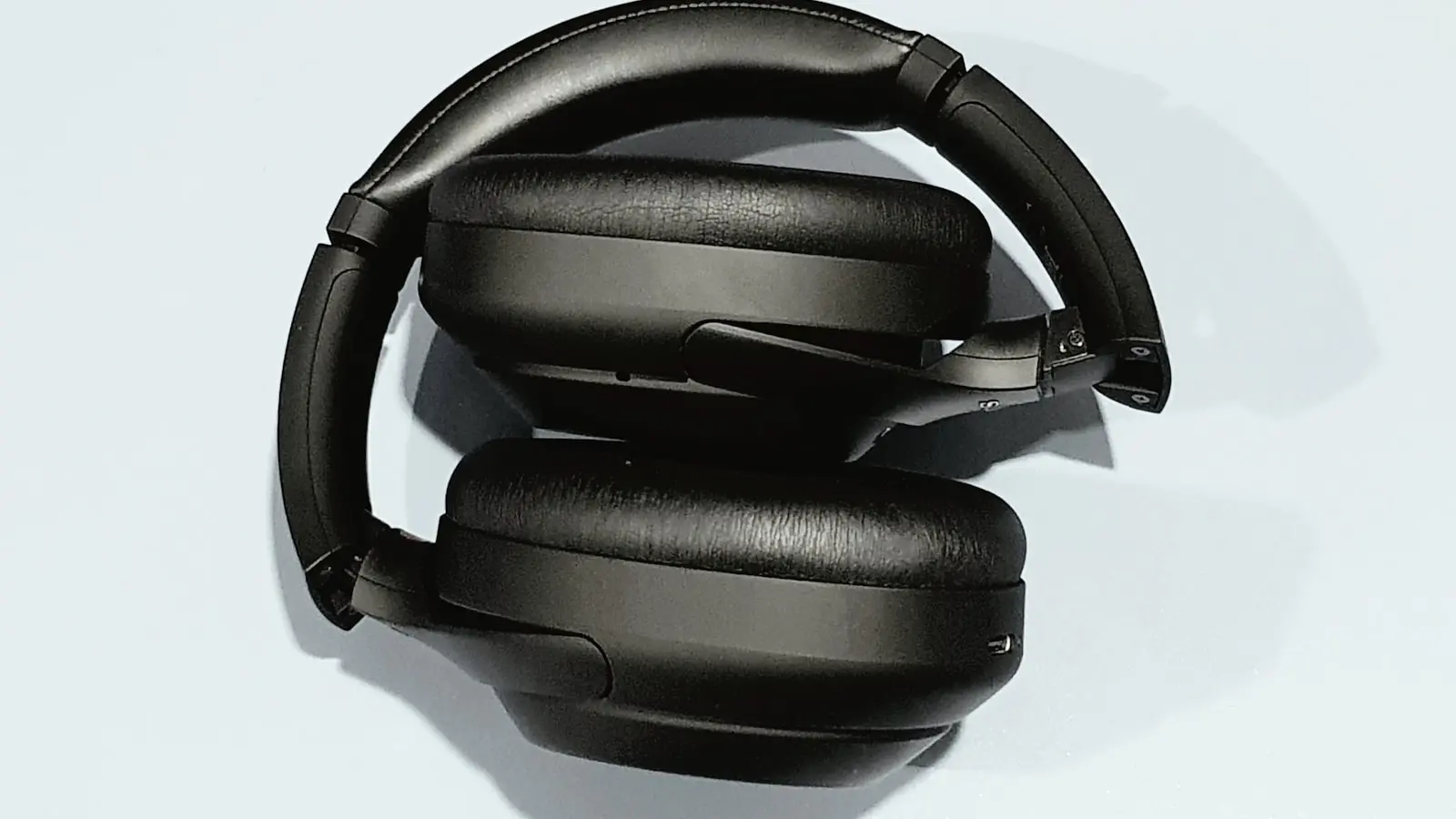
A user equips a premium headset. The ambient hum of the room vanishes. Seconds later, a distinct, uncomfortable pressure builds behind the eardrums. The sensation mirrors the sudden cabin pressure drop experienced during an aircraft ascent. Active Noise Canceling technology manipulates acoustic waves effectively, but the resulting earache stems entirely from a psychosomatic glitch between human sensory organs and the brain. Consumers purchase silence. Manufacturers deliver acoustic vacuums. The resulting physical rejection forces a re-evaluation of how digital signal processing interacts with human biology.
Hardware engineers design Active Noise Canceling (ANC) to neutralize specific frequency bands. Built-in external microphones sample the ambient environment. A digital signal processor (DSP) calculates the exact frequency of the incoming noise. The headphone driver then generates an inverse sound wave, mirroring the exact amplitude but flipping the phase by 180 degrees. The two waves collide inside the ear cup. They sum to zero. The frequency is destroyed. (Physics dictates that destroying energy requires generating equal energy, leaving the ear canal caught in the crossfire.) This process effectively silences continuous, low-frequency background hums like jet engines, server racks, and HVAC units.
However, eradicating the noise floor triggers a biological miscalculation. Human anatomy relies on a continuous baseline of environmental data to orient itself. The inner ear utilizes constant low-frequency ambient noise to gauge atmospheric pressure. When an aggressive ANC algorithm abruptly deletes that low-frequency baseline, the sensory input vanishes entirely. The brain processes this sudden acoustic vacuum as a rapid drop in ambient air pressure. The physical reaction follows the neurological error. The brain signals a feeling of fullness, mimicking the sensation of a blocked Eustachian tube. The pressure is a software-induced illusion. The discomfort remains real.
The Algorithm Arms Race
Over the past decade, the high-end audio market prioritized absolute decibel reduction over listener comfort. Brands structured their entire marketing apparatus around generating the darkest acoustic backgrounds possible. Complaints of motion sickness, vertigo, and severe ear pain among new users track perfectly with the rising efficacy of these noise-canceling chips. As algorithms improve, biological rejection scales up.
Early iterations of noise cancellation utilized simple feedforward microphone arrays. These systems allowed enough midrange frequency to bleed through the ear cups, keeping the user’s brain anchored to physical reality. Current flagship models utilize complex hybrid systems. They combine feedforward microphones on the exterior chassis with feedback microphones positioned inside the acoustic chamber, directly facing the ear canal. Dedicated silicon maps the internal acoustics thousands of times per second, dynamically adjusting the anti-phase wave to account for jaw movement, glasses frames, and hair. They build acoustic black holes.
This relentless optimization creates severe sensory conflict. The vestibular system, located in the inner ear, controls spatial orientation and balance. When the inner ear senses a pressure drop but the visual system registers a stationary environment, the conflicting data streams trigger motion sickness. The brain concludes that the body is experiencing spatial disorientation. Nausea follows. (Optimized specifications mean nothing if the hardware induces physical illness after twenty minutes of use.) High-fidelity silence demands a physiological toll.
Hardware Mitigations and Software Toggles
The industry acknowledges the friction. Manufacturers attempt to patch a biological incompatibility through software updates and structural redesigns. Resolving ANC discomfort requires balancing the strength of the phase cancellation against the user’s neurological tolerance.
Adaptive transparency modes offer the most immediate software mitigation. Rather than blocking all external audio, these modes utilize the external microphone arrays to pass specific frequencies through the DSP directly into the ear canal. This restores the low-frequency environmental baseline, instantly relieving the psychosomatic pressure while still dampening harsh transient spikes like sirens or heavy machinery. Audio tech forums frequently advise users experiencing earache to periodically disable the ANC feature entirely, forcing the brain to recalibrate to the natural acoustic environment.
Hardware engineers also deploy physical acoustic vents to relieve real pneumatic pressure. Closed-back ANC headphones trap air between the driver and the eardrum. When the driver pushes the heavy anti-phase waves required to cancel low-end rumble, it exerts measurable physical force against the tympanic membrane. By integrating microscopic bass ports and pressure-relief vents into the chassis, manufacturers allow trapped air to escape without compromising the passive noise isolation seal. The hardware breathes. The eardrum relaxes.
Passive Isolation vs Phase Cancellation
Consumers seeking noise reduction without neurological fatigue must evaluate passive isolation mechanisms. Passive Noise Cancellation (PNC) relies entirely on physical barriers to block sound waves from entering the ear canal, requiring zero computational overhead.
- High-Density Foam Tips: In-Ear Monitors (IEMs) utilize expanding memory foam to create a physical seal against the ear canal walls. This approach naturally attenuates high-frequency noise without generating anti-phase waves.
- Clamping Force and Ear Pads: Over-ear studio monitors utilize dense memory foam and strong caliper pressure to physically isolate the acoustic chamber.
- Material Density: Thicker plastic or metal driver housings naturally reflect external acoustic energy.
Passive isolation targets high-frequency sounds—voices, keyboard clicks, and breaking glass—far more effectively than active algorithms. Because PNC does not actively erase low-frequency ambient rumble, the brain maintains its atmospheric pressure baseline. Users bypass the airplane cabin illusion entirely. (Sometimes the smartest technology is simply a denser piece of foam.)
The Open-Back Alternative
When closed-back isolation and active phase cancellation consistently trigger physical pain, structural abandonment becomes the only viable upgrade path. Open-back headphones represent the exact inverse of ANC design philosophy.
Open-back chassis feature perforated external grilles, leaving the rear of the speaker driver completely exposed to the surrounding environment. Air flows freely through the ear cups. This design eliminates trapped pneumatic pressure entirely. The acoustic vacuum is destroyed. Because the inner ear remains constantly exposed to natural ambient frequencies, psychosomatic pressure drops become biologically impossible.
The trade-off centers entirely on environment control. Open-back designs offer zero noise isolation. They leak audio into the room and allow all external noise to penetrate the listening session. They remain strictly confined to quiet, controlled environments. However, by prioritizing airflow and natural frequency decay, open-back hardware delivers massive spatial audio rendering and absolute physiological comfort.
Evaluating audio hardware requires reading past the decibel reduction claims. Absolute silence is a synthetic construct. Algorithms calculate phase inversion with flawless precision, but human anatomy rejects abrupt sensory deprivation. Maximizing the user experience means acknowledging biological limits. If a flagship processor causes vertigo, the hardware has failed the primary metric of usability. Consumers must weigh the necessity of absolute acoustic isolation against the very real friction of inner ear fatigue.