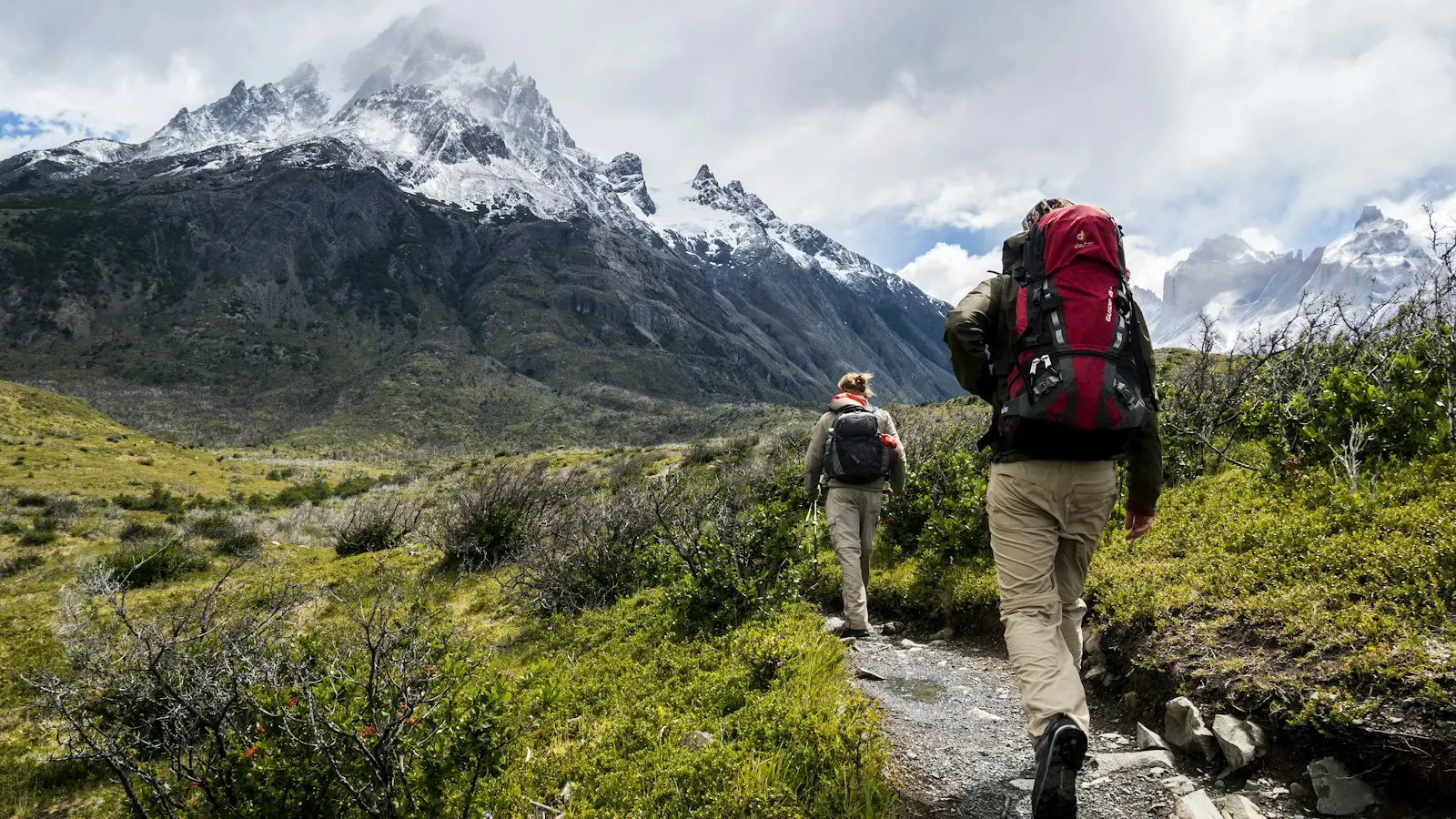
Walking tours can count as meaningful exercise, especially when they involve sustained movement, brisk sections, hills, stairs, or uneven terrain. However, a high step count does not automatically equal a complete workout. The fitness effect depends on how long you walk, how hard you work, how often you repeat it, and how well your body recovers.
For walking for fitness travel, think beyond the number on a phone or watch. A slow day of browsing shops and stopping at landmarks still adds useful activity and energy expenditure, but it is not the same training stimulus as continuous brisk walking. Travel walking may support cardiovascular fitness, yet it can leave gaps in strength, mobility, or higher-intensity exercise.
Key Takeaways
- Sightseeing contributes to physical activity, but step totals alone do not measure workout quality.
- Pace, duration, hills, stairs, terrain, weather, luggage, and personal fitness all affect walking intensity.
- Classify travel days as light, moderate, or demanding to plan effort and recovery more effectively.
- Well-fitting footwear, early blister care, and gradual increases in walking can reduce avoidable problems.
- Walking may need to be supplemented with strength or mobility work, especially when fitness goals extend beyond endurance.
Why Step Count Alone Is an Incomplete Fitness Measure
Steps are useful context, but they are not a complete description of exercise. The same total can come from very different days: one traveler may walk continuously across a hilly city, while another accumulates steps through short trips between museums, restaurants, and transport stops.
Pace changes the training effect. A purposeful walk that raises breathing and heart rate generally provides a stronger cardiovascular stimulus than very slow movement with frequent pauses. Terrain matters too. A flat route and a route involving stairs, slopes, sand, or cobblestones can produce different demands even when the step totals are similar.
Stride length, body size, luggage, weather, and baseline fitness also affect what a step count means. A number that feels easy for a conditioned walker may be tiring for someone who is usually sedentary. Calorie estimates from devices should be treated as approximate rather than precise measurements of effort or health benefit.
This does not make steps meaningless. A walking-heavy itinerary can reduce prolonged sitting, build daily movement habits, and contribute to overall activity. The better question is not whether a particular step total is “enough,” but what kind of movement produced it and whether it fits your goals and recovery capacity.
How Walking Intensity Changes the Training Effect
Easy walking is often comfortable enough for normal conversation and may involve frequent pauses. It can be valuable for active recovery, general movement, and building tolerance for time on your feet, but it may not challenge the cardiovascular system substantially.
Purposeful brisk walking usually feels more deliberate. You may breathe faster while still being able to speak in sentences. If you can only say a few words at a time, the effort is higher; if you can sing comfortably, the pace may be relatively easy. These are practical guides rather than diagnostic tests, and heat, altitude, illness, stress, and medications can change how effort feels.
Walking intensity can also rise without a dramatic increase in speed. Hills, staircases, loose ground, strong wind, heat, and a backpack all increase the work required. A route through a historic district may therefore become a demanding travel walking workout even if the average pace looks modest.
Public-health guidance generally emphasizes a combination of moderate or more vigorous activity and muscle-strengthening activity, adjusted to individual ability. The exact amount that is appropriate depends on health status, age, current conditioning, and the rest of your week. Travel walking can contribute to that activity, but stop-and-start sightseeing should not automatically be counted as equivalent to sustained moderate exercise.
Classifying a Travel Day as Light, Moderate, or Demanding
A simple classification can help you plan without treating step totals as a universal prescription. Consider walking time, pace, elevation, stairs, surface, weather, luggage, breaks, and how your body feels afterward.
Light day: Most movement is slow, interrupted, or confined to short distances. You may visit several places but spend substantial time sitting, riding transport, or standing. Your feet and legs feel close to normal by the end of the day.
Moderate day: You spend several hours on foot, include periods of purposeful walking, or handle modest hills and repeated stairs. You may feel generally tired afterward, but your movement remains comfortable and you recover with ordinary rest.
Demanding day: Walking is prolonged or includes steep climbs, sustained brisk sections, uneven terrain, heat, heavy bags, or little time to sit down. You may notice significant muscle fatigue, foot soreness, or a need for more recovery before repeating the same workload.
The same itinerary can fall into different categories for different people. Someone returning to exercise may find a flat museum day moderate, while a regular walker may consider it light. Use the classification to adjust the next day rather than to judge yourself.
A practical pattern is to place a demanding attraction, hike, or walking tour next to an easier day. If every day is demanding, the accumulated workload may matter more than any single day’s step count.
Footwear, Blisters, and Overuse During Active Sightseeing
Well-fitting footwear is one of the simplest ways to reduce avoidable problems, although no shoe can guarantee comfort or prevent injury. Choose shoes with enough room for your toes, a secure heel, and cushioning or support that feels appropriate for you. Avoid relying on brand-new footwear for a long walking trip; use it on shorter outings first so you can identify pressure points.
Socks that manage moisture and do not bunch up may reduce friction for some people. If a hot spot develops, address it early by stopping, checking the skin, adjusting the sock or shoe, and using a suitable protective dressing. A small blister is easier to manage than one that continues rubbing for hours. Keep the area clean and avoid breaking the skin unnecessarily.
Repeated long days can also overload the feet, calves, ankles, knees, or tendons. The risk may rise when walking volume increases abruptly, footwear is unsuitable, or fatigue changes your stride. Uneven surfaces and carrying luggage can add further stress.
Do not treat worsening pain as a challenge to push through. Swelling, limping, numbness, altered movement, pain that becomes sharper, or symptoms that persist after rest deserve attention. Severe or persistent symptoms, or pain in someone with a relevant medical condition, may require assessment by a qualified clinician rather than generic travel advice.
Recovering Between Long Walking Days and Adding More Training
Recovery begins with itinerary design. Alternate long walking days with easier sightseeing, use transport strategically, and schedule short sitting breaks before your feet become very sore. Sleep, regular meals, fluids, and protection from excessive heat also affect how well you tolerate consecutive days.
You do not need to turn every travel day into a training session. If your itinerary already includes substantial walking, adding a hard workout may simply increase fatigue. On the other hand, walking alone does not train every physical quality equally. It may not provide enough resistance for the upper body, hips, or major leg muscles, and easy walking may not challenge cardiovascular fitness much.
When energy and symptoms allow, a short travel walking workout can complement sightseeing. Examples include controlled bodyweight squats, calf raises, step-ups on a stable surface, gentle balance practice, or comfortable mobility movements for the ankles, hips, and upper back. Keep the effort controlled, especially after a long day, and stop if an exercise causes pain rather than ordinary muscle effort.
Strength and mobility work should be added gradually, not layered onto an already exhausting itinerary. If you are new to exercise, have a history of injury, or have balance limitations, choose simpler movements and consider individualized guidance. Doubling walking volume or adding steep hikes without preparation is more likely to create soreness than to produce a useful long-term adaptation.
People with chronic conditions, significant cardiovascular risk, diabetes-related foot concerns, or persistent joint or tendon symptoms may need advice tailored to their circumstances. A clinician can help determine what level of walking and progression is appropriate.
FAQ: Walking for Fitness Travel
Can sightseeing count as a workout?
Yes, sightseeing can count as physical activity and may contribute to cardiovascular fitness when it includes enough duration and intensity. Continuous brisk walking, hills, stairs, and uneven terrain generally create more training demand than slow, stop-and-start movement. Sightseeing may still be beneficial even when it does not replace a structured workout.
How many steps should I aim for while traveling?
There is no single ideal step target for every traveler. Use your normal activity, fitness level, health status, terrain, and symptoms as context. A better goal may be to increase walking gradually, include some purposeful pace when appropriate, and leave enough recovery between demanding days.
Should I keep walking if my feet, knees, or tendons hurt?
Mild tiredness can be expected after an unfamiliar walking day, but worsening pain is a reason to reduce or pause the load. Do not ignore swelling, numbness, limping, altered movement, sharp pain, or symptoms that remain after rest. Persistent, severe, or condition-related pain should be evaluated by a qualified health professional.
Walking tours can support fitness, but the benefit is best judged by the whole workload rather than by steps alone. Pace, duration, terrain, recovery, and consistency tell you much more about whether active sightseeing is building useful capacity without exceeding what your body can handle.