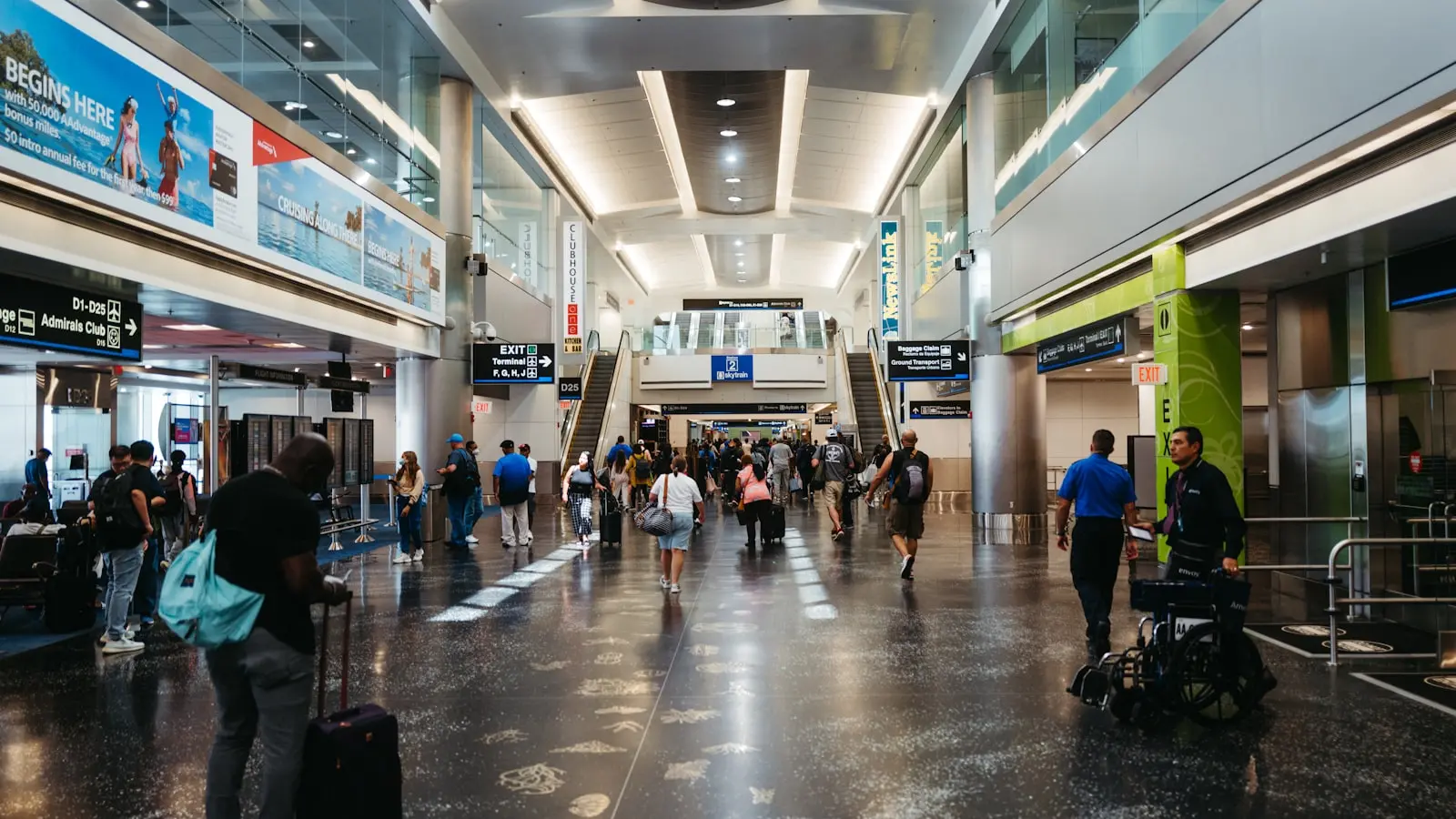
The practical answer: choose gentle movement, not a make-up sightseeing marathon
Walking after a long flight can ease the familiar feeling of stiff joints, restless legs, and tight muscles without necessarily worsening fatigue. The useful version is easy, optional, and short enough to stop at any point—not a fast, hilly, luggage-heavy attempt to recover lost sightseeing time.
After prolonged sitting, comfortable movement may feel better than settling into another chair, taxi, restaurant booth, or hotel bed. But walking after travel fatigue is not a test of willpower. If you are dizzy, unsteady, ill, injured, severely sleep-deprived, or unable to eat and drink normally, resting first is often the better recovery choice.
Key Takeaways
- A short, easy walk may relieve ordinary post-flight stiffness when you feel steady and your symptoms are mild.
- Let comfort—not distance, steps, or a sightseeing schedule—set the pace and length of the walk.
- Food, fluids, supportive footwear, breaks, and sleep can matter as much as movement for long-flight recovery.
- Rest and reassess if light activity worsens fatigue, dizziness, nausea, pain, or poor balance.
- Seek urgent medical assessment for one-sided leg swelling or pain, chest pain, sudden breathlessness, fainting, coughing blood, or other sudden severe symptoms.
A practical question is: Can you walk comfortably, speak in full sentences, access water and a restroom, and return easily if you feel worse? If so, a gentle stroll may be reasonable. If not, a simpler recovery plan is likely the better call.
Movement during and after prolonged travel can help break up immobility, but a post-flight walk cannot diagnose, rule out, or treat a blood clot. New or concerning symptoms need medical assessment rather than self-treatment with exercise.
Why flights and airport delays can leave the body stiff, swollen, and drained
A journey often includes much more sitting than the flight itself: airport waits, boarding, time in the cabin, baggage collection, transfers, and meals after arrival. Limited space to change position can leave the calves, hips, back, neck, and shoulders feeling tight.
Travel routines can compound the discomfort. Carrying bags, sleeping awkwardly, rushing through terminals, eating at unusual times, and missing normal movement can all add to fatigue and soreness. Dry cabin conditions and inconsistent access to drinks may also leave some travelers feeling headachy or depleted.
Mild swelling in both feet or ankles can occur after prolonged sitting. Heavy-feeling feet, tight shoes, and sock marks are common examples of leg swelling after flying. Still, swelling should be considered in context rather than automatically dismissed as routine travel discomfort.
The trade-off is simple: light movement may help you feel less locked up, while a long, fast, steep, or crowded route adds exertion when you may already be low on sleep, fluids, and food. A walk that begins as recovery can become draining if it turns into hours on hard pavement without breaks.
A low-intensity first-hour plan for post-flight stiffness relief
Before committing to an evening plan, do a brief check-in. Are you alert and steady on your feet? Can you drink comfortably? Are you free of unusual chest symptoms, marked shortness of breath, one-sided leg symptoms, or severe pain? If so, a low-demand approach to post-flight stiffness relief may be appropriate.
Start with basic needs rather than a distance target. Use the restroom, drink to thirst, and have a simple meal or snack if you are hungry. Familiar, easy-to-tolerate food may be more helpful than waiting until you are overly hungry and exhausted.
If possible, change out of restrictive clothing and into supportive footwear. Shoes that do not rub, slide, or squeeze swollen feet can make a meaningful difference. Avoid carrying a heavy backpack or pulling a large suitcase on a recreational walk when another option is available.
Then choose a short, flat, familiar, well-lit route. Walking slowly enough to hold a comfortable conversation is a useful intensity check. The goal is not to make the walk count as exercise; it is to see whether gentle movement improves comfort.
Build in an exit plan before leaving. A small hotel-area loop, a route with benches, or a destination with simple transport back is usually better than committing to a distant landmark. If your legs loosen up and your energy remains stable, you can continue briefly. If fatigue rises, turn back without treating that as a failed itinerary.
If walking feels like too much, choose a lower-exertion alternative. Stand and shift position for a few minutes, gently move your ankles through a comfortable range, take a warm shower, elevate your feet while resting, or sit somewhere nearby with food and fluids. These options can support comfort without creating another demanding task.
Hydration, food, caffeine, alcohol, and sleep: avoid turning recovery into a second stressor
Long-flight recovery is not only about movement. Fluids, food, sleep, and a calmer schedule may matter just as much as walking. There is no universal amount of water that every traveler needs, so drink according to thirst and your individual health needs rather than forcing large volumes.
If you have not eaten for several hours, a modest meal or snack may make an easy walk feel more manageable. A very large or heavy meal, however, may leave you feeling sluggish. Choose something practical and familiar, especially if travel has unsettled your stomach.
Caffeine can temporarily increase alertness for some people, but timing matters. A late coffee or energy drink may make an evening walk feel easier while interfering with sleep afterward. If protecting a planned bedtime is the priority, weigh the short-term lift against that trade-off.
Alcohol can also complicate travel fatigue recovery. It may worsen sleep quality for some people and can be a poor fit with dehydration, poor balance, or marked exhaustion. It is not a reliable way to settle into sleep after travel.
People with heart, kidney, or liver conditions, or anyone with a prescribed fluid restriction, should follow individualized clinical guidance instead of general hydration advice. The same applies to medications that affect fluid balance or blood pressure.
After short-haul travel, maintaining a reasonably normal local bedtime can be a sensible priority. After larger time-zone changes, local daylight exposure, meals, and bedtime can act as gradual timing cues. An exhausting evening walk is not required for adjustment, and an earlier night may preserve more enjoyment for the following day.
Decide whether to walk, shorten the plan, or seek medical care
An easy walk may be reasonable when symptoms are mild and improving—for example, bilateral stiffness, mild tiredness, or feet that feel puffy after sitting. You should be steady, able to eat and drink normally, and able to choose a route with breaks and a quick return option.
Rest and reassess if you have pronounced fatigue, dizziness, nausea, fever, poor balance, a new injury, or symptoms that worsen with light activity. In those situations, a shower, food, fluids as appropriate, and sleep may be more valuable than a city walk. There is no benefit in pushing through symptoms simply because you are on a trip.
Seek urgent medical assessment for one-sided leg swelling, redness, warmth, or unexplained pain in the calf or thigh. Also seek urgent help for chest pain, sudden or severe shortness of breath, coughing blood, fainting, or other sudden severe symptoms. These symptoms can have serious causes, including possible blood-clot complications, and should not be assumed to be ordinary travel fatigue.
Extra caution is appropriate for people with a prior blood clot, a known clotting disorder, recent surgery or hospitalization, active cancer, significant mobility limitations, pregnancy, or the postpartum period. People with cardiovascular or lung conditions may also need individualized travel and activity guidance. If these risks apply to you, a clinician can clarify preventive measures and symptoms that should prompt care.
Walking is not a substitute for prescribed prevention measures, medical evaluation, or emergency care. If you have specific instructions about compression, medication, mobility, fluids, or post-operative activity, those instructions take priority over general travel advice.
FAQs
How long should I walk after a long flight if my legs feel stiff?
There is no universal duration. Start with a short, easy walk that you can end immediately, then judge it by how you feel rather than by distance or steps. If stiffness eases and energy stays stable, you may continue gently; if fatigue or symptoms increase, return to rest.
Is leg swelling after flying normal, or could it be a warning sign?
Mild swelling in both feet or ankles can happen after prolonged sitting and may settle with time and ordinary movement. One-sided swelling, redness, warmth, unusual calf or thigh pain, or swelling accompanied by chest symptoms or breathlessness needs urgent medical assessment.
Can walking after travel fatigue make jet lag or exhaustion worse?
It can if the walk becomes long, strenuous, late at night, or poorly matched to your food, fluid, and sleep needs. A brief, easy stroll may feel refreshing for some travelers, but rest is the better choice when you are markedly exhausted, unsteady, ill, or trying to protect sleep for the next day.