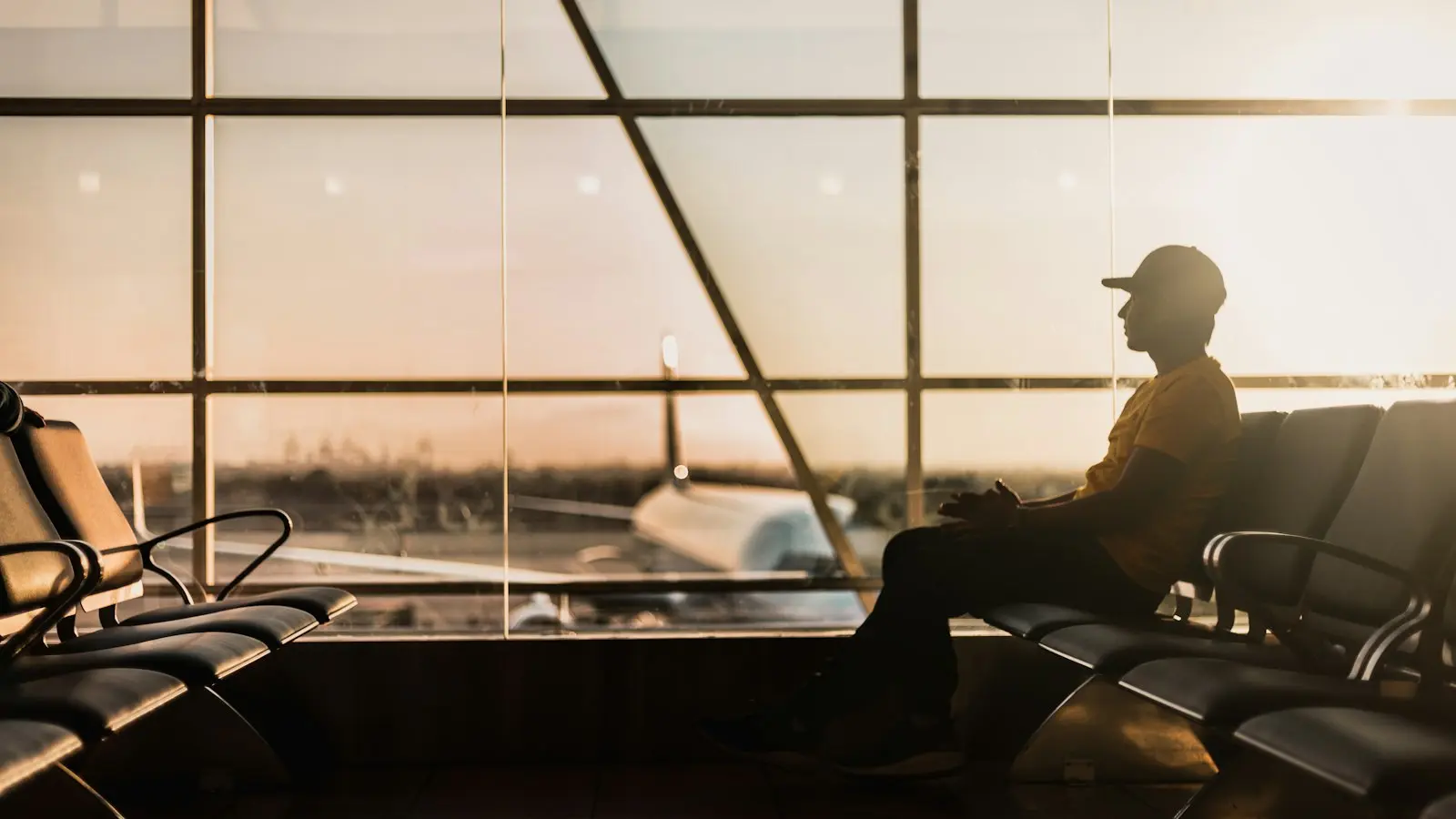
Feeling tired during or after an enjoyable trip does not necessarily mean you failed to sleep enough. Common travel fatigue causes often overlap: circadian disruption, fragmented sleep, constant planning, unfamiliar surroundings, extra walking, luggage, climate changes, irregular meals, dehydration, alcohol, and illness exposure.
Travel stress can leave you depleted even when the number of hours in bed looks normal. Sleep may be less restorative, your body may be working harder than usual, and mental demands can accumulate across several days. Travel fatigue is a useful description of this pattern, not a diagnosis that explains every case.
The key distinction is whether symptoms are mild and improving with rest, or severe, unusual, worsening, or accompanied by signs of illness. The latter should not automatically be blamed on vacation exhaustion.
Key Takeaways
- Jet lag is only one possible cause of travel fatigue and requires a time-zone change; general travel fatigue can happen on any demanding trip.
- Walking, luggage, heat, altitude, long transfers, irregular meals, dehydration, and constant decision-making can drain energy even after a full night in bed.
- Lighter arrival days, protected sleep, regular meals, reasonable hydration, movement breaks, and fewer consecutive transfers can reduce the load.
- Fatigue that is severe, worsening, persistent, or accompanied by symptoms such as chest pain, breathing difficulty, confusion, fainting, or severe dehydration needs medical attention.
Jet lag is only one possible explanation
Jet lag is a temporary mismatch between your internal body clock and the local time after crossing time zones. Your brain and other body systems still follow parts of the schedule you left behind, while meals, daylight, activity, and bedtime now occur at different times.
Common effects include feeling sleepy during the day, being awake when you want to sleep, reduced concentration, and general fatigue. The intensity and duration vary with factors such as the number of time zones crossed, travel direction, age, health, sleep opportunity, and how quickly your routine changes. There is no recovery timetable that applies to everyone.
General travel fatigue is broader. It can occur after a domestic trip or a journey with no time-zone change at all. Long periods in transit, early departures, unfamiliar beds, noise, motion, stressful connections, and a demanding itinerary can all leave you tired. In the jet lag versus travel fatigue distinction, jet lag specifically involves the body clock, while travel fatigue can arise from the total physical and mental load of travel.
The two can occur together. For example, a traveler may cross several time zones, sleep poorly during the journey, walk extensively after arrival, and spend the day navigating an unfamiliar city. Treating all of that as “just jet lag” may overlook manageable contributors or a medical problem.
Why travel can drain energy even after a full night’s sleep
A full night in bed does not guarantee restorative sleep. Early flights, late arrivals, unfamiliar mattresses, temperature changes, street noise, light exposure, and worry about missing transport can fragment sleep. You may not remember every awakening yet still feel less refreshed the next day.
Travel also increases cognitive workload. At home, many actions are automatic: you know where to go, how local systems work, and when routine tasks occur. During travel, you may repeatedly check directions, tickets, reservations, currency, transport schedules, safety, language, and changing plans. That sustained attention can produce mental fatigue even when the experience is enjoyable.
Novelty is not inherently harmful, but it requires attention. A day filled with new sights, unfamiliar food, social interaction, and constant decisions can leave you mentally flat by evening. Enjoyment and physiological strain can coexist; having a wonderful trip does not mean your body has had an easy schedule.
Physical demands are another major part of the answer to why travel makes you tired. A vacation may involve several hours of walking, stairs, standing in queues, airport transfers, lifting luggage, swimming, hiking, or carrying a day bag. Someone who is usually sedentary may suddenly increase activity substantially, while an active traveler may still become fatigued after repeating demanding days without recovery.
Heat and humidity can make activity feel harder and may increase fluid needs, although hydration needs differ by person and environment. Cold can also increase physical demands, particularly when walking outdoors or carrying equipment. Altitude may contribute to headache, shortness of breath, sleep disruption, and fatigue in some travelers. New or significant symptoms at altitude deserve more caution rather than automatic reassurance.
Long periods of sitting create a different problem. Hours in a car, train, or aircraft can leave muscles stiff and make it harder to feel comfortable afterward. Taking reasonable movement breaks when safe, changing position, and walking briefly during stops can help, but people with medical restrictions should follow individualized advice.
Food and fluid changes can add to the burden. Missed meals, very late dinners, unfamiliar foods, gastrointestinal upset, alcohol, and inadequate fluid intake may all contribute to weakness, headache, poor concentration, or tiredness. None of these factors proves the cause of fatigue, and drinking excessive amounts of water is not a safe universal solution. Aim for normal hydration according to thirst, activity, climate, and medical guidance.
Finally, travel can increase exposure to infections. Fatigue accompanied by fever, respiratory symptoms, vomiting, diarrhea, or worsening body aches should be considered in that context rather than dismissed as a normal response to a busy itinerary.
How to reduce travel fatigue without turning the trip into a recovery project
The most effective strategy is usually reducing the total load rather than searching for one quick fix. If possible, make the arrival day lighter. After a long journey, plan for a shower, food, basic unpacking, and sleep instead of an immediately demanding tour or strenuous activity.
A useful itinerary check is to count four things before adding more plans:
- Early starts or late finishes
- Long transfers and connection-heavy travel days
- High-activity days involving extensive walking, hiking, heat, or altitude
- Genuine recovery periods with flexible timing
Several demanding days in a row may look manageable on paper but create cumulative fatigue. Fewer consecutive transfers and a buffer between major activities can preserve energy without removing the enjoyable parts of a trip.
Protect sleep opportunities as much as practical. Keep a consistent wind-down routine when possible, reduce unnecessary late-night commitments, and consider whether the room is too bright, noisy, or warm. For jet lag, adjusting sleep timing and seeking daylight at appropriate local times may help some travelers, but the best approach depends on the direction and distance of travel, your schedule, and your health. Medication or supplements should not be treated as necessary; discuss them with a clinician or use current guidance from a trusted medical authority, particularly if you take other medicines, are pregnant, or have a chronic condition.
Eat at reasonably regular intervals, especially on days involving long transfers. Pack food that is familiar and tolerable if delays are likely. Moderate alcohol, since it can disrupt sleep and may worsen dehydration or next-day fatigue for some people.
Pace walking and exercise according to your usual fitness and health status. Rest before you are completely depleted, alternate demanding outings with easier ones, and use public transport or shorter routes when appropriate. People with heart, lung, kidney, metabolic, or mobility conditions may need an individualized plan for heat, altitude, exercise, and fluid intake.
When exhaustion may be more than ordinary travel fatigue
Mild tiredness that follows a busy day and improves with food, fluids, sleep, and a slower schedule is often reasonable to monitor. However, the label “travel fatigue” should not delay care when symptoms are severe, persistent, rapidly worsening, or out of proportion to what happened.
Seek urgent medical assessment for chest pain, difficulty breathing, fainting, confusion, a severe or unusual headache, new weakness, or rapidly developing symptoms. Persistent vomiting or diarrhea, inability to keep fluids down, very dark or minimal urine, marked dizziness, or other signs of significant dehydration also warrant prompt medical attention. Fever or worsening illness after travel may require assessment for infection.
Heat illness, altitude-related illness, medication effects, sleep disorders, anemia, and other medical conditions can also cause fatigue. Symptoms alone cannot reliably distinguish these possibilities. Travelers with chronic conditions, pregnancy, immune suppression, or a history of serious illness should use a lower threshold for contacting a clinician.
A simple self-check can guide the next step:
- Rest and monitor: Symptoms are mild, familiar, linked to a demanding day, and clearly improving.
- Adjust the itinerary and seek routine medical advice: Fatigue interferes with ordinary activities, keeps returning, does not improve as expected, or seems disproportionate to the trip.
- Seek urgent care: Red-flag symptoms appear, symptoms deteriorate quickly, or you cannot maintain fluids or function safely.
Recovering after returning home
Exhaustion may become more obvious after a trip rather than during it. While traveling, excitement, deadlines, navigation, and the need to keep moving can temporarily mask tiredness. Once you return, the accumulated effects of poor sleep, extra activity, disrupted routines, and emotional or logistical effort may catch up with you.
The return itself can add another demanding day, followed by work, childcare, household tasks, or a rapid switch back to local time. This is one reason vacation exhaustion can feel delayed rather than immediate.
Recovery generally works better when it is steady rather than extreme. Return to a regular sleep-wake schedule, eat at normal intervals, hydrate according to your needs, and resume exercise gradually. Avoid trying to compensate with prolonged sleep-ins, intense workouts, or major schedule changes that leave you more disrupted.
If possible, allow a buffer day after a long or demanding journey before returning to a full workload. Persistent or recurrent fatigue should be evaluated rather than labeled travel fatigue indefinitely. A clinician can consider sleep quality, medications, infection, anemia, chronic conditions, and other causes that travel may have exposed or intensified.
FAQ
What is the difference between jet lag and travel fatigue?
Jet lag is the body-clock disruption that follows crossing time zones. Travel fatigue is a broader term for tiredness related to transport, sleep disruption, stress, walking, unfamiliar conditions, and schedule changes. They can happen together, but travel fatigue does not require a time-zone change.
Why does walking on vacation make me so tired?
Vacation walking is often much more than your normal daily activity. Long distances, hills, stairs, standing, heat, luggage, and repeated days without recovery can create muscle fatigue and general exhaustion. Pace activity according to your usual fitness and health, and schedule easier periods between demanding outings.
How long should travel exhaustion last before I contact a doctor?
There is no single safe timeline because the cause and the traveler’s health matter. Contact a clinician if fatigue is not improving, interferes with normal activities, keeps recurring, or seems out of proportion to the journey. Seek urgent care immediately for breathing difficulty, chest pain, fainting, confusion, severe headache, new weakness, severe dehydration, persistent vomiting or diarrhea, or rapid deterioration.