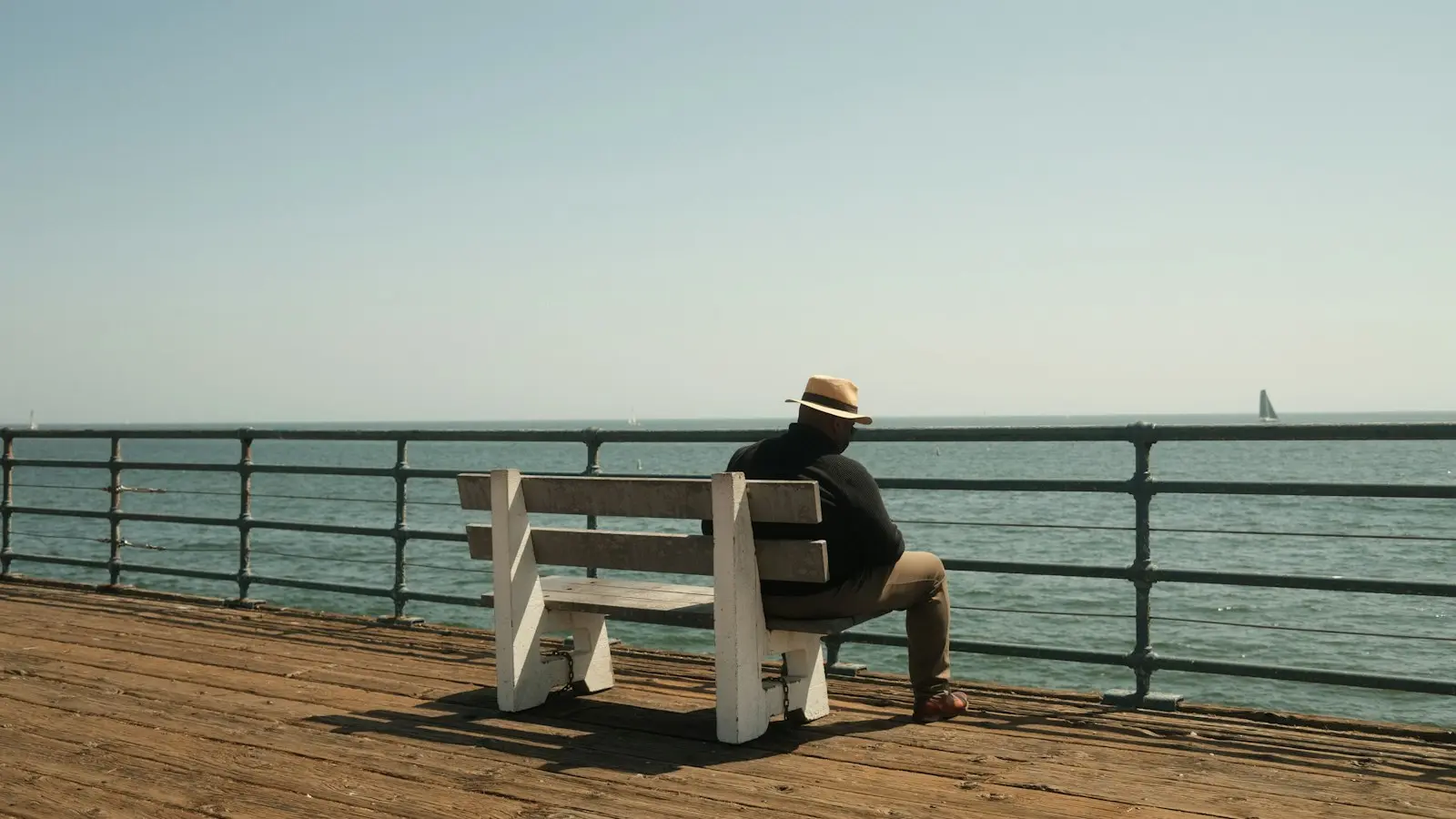
A practical travel recovery routine is usually simple: reduce tomorrow’s load when needed, eat and drink enough, protect your feet, move gently, and protect sleep. These basics do more than an elaborate collection of recovery products—and they help you notice when symptoms are not ordinary post-walking fatigue.
Key Takeaways
- Reduce the next day’s walking when soreness, poor sleep, foot hot spots, or heat exposure are accumulating.
- Use a short evening reset: inspect feet, change damp socks, eat and drink, move gently, and protect rubbing areas.
- Stretching may improve comfort and mobility, but it is not a reliable way to erase delayed-onset muscle soreness.
- Plain fluids and normal meals are often enough; electrolyte drinks, compression gear, ice, and massage tools are optional and context-dependent.
- Seek prompt medical assessment for one-sided leg swelling, chest symptoms, severe dehydration symptoms, escalating pain, or signs of blister infection.
Start by deciding: normal fatigue or a reason to seek care?
After an unusually active day, it is common to feel generally tired, have achy calves or thighs, and notice sore feet. Long walks, hills, stairs, standing in queues, heat, and carrying a bag can all add up. Muscle soreness may become more noticeable later that evening or the following day, especially after unfamiliar downhill walking or repeated stair climbing.
This pattern can fit delayed-onset muscle soreness: a temporary response to a new or increased activity load. The useful response is usually not to push through an identical day. When soreness is building, lowering the next day’s walking load is often more helpful than trying to force recovery with stretching, ice, or pain medicine.
Do not rely on a hotel-room routine for symptoms that could be more serious. Seek prompt medical assessment for one-sided leg swelling, redness, warmth, or calf pain; chest pain; shortness of breath; fainting; confusion; persistent vomiting; inability to keep fluids down; severe or worsening pain; or inability to bear weight.
A blister also needs medical attention if there is spreading redness, pus, fever, or worsening pain. Be especially cautious with new leg symptoms if you are pregnant, recently had surgery, have a history of clotting problems, take medicines that affect bleeding, or have another relevant health condition.
Use this 20-minute travel recovery routine in a hotel room or camper van
This compact travel recovery routine works in a hotel room, hostel, camper van, or other small space. It should feel easy—not like another workout at the end of a demanding day.
Minutes 0–5: Stop adding load. Sit or lie down, remove shoes and socks, and inspect your feet, including between the toes. Look for damp skin, hot spots, rubbing, broken skin, or debris. Change wet socks or clothing promptly, since moisture and friction can worsen irritation.
Minutes 5–10: Drink and eat. Drink based on thirst, heat, and how much you have been sweating. If meals were delayed or you spent hours walking, have a normal meal or simple snack with carbohydrate and protein, such as yogurt and fruit, a sandwich, eggs and toast, or beans with rice.
The goal is not a perfect recovery formula. It is to correct a common travel pattern: under-eating, drinking too little, and then trying to sleep while tired and depleted.
Minutes 10–16: Move gently. Try ankle circles or ankle pumps, a few comfortable calf raises, slow knee bends while holding a stable surface, and easy hip movements. If comfortable, walk slowly around the room, corridor, or another safe nearby area for a few minutes.
Gentle movement may reduce stiffness and gives you a useful check on how your body is responding. Stop if it causes sharp pain, dizziness, limping, or increased swelling.
Minutes 16–20: Comfortable mobility and foot care. Use gentle, pain-free calf, hamstring, hip-flexor, and plantar-foot movements. A supported calf stretch, a relaxed seated hamstring reach, or slowly rolling the sole of the foot over a soft object may feel good if it does not aggravate symptoms.
Then protect any rubbing area with a clean dressing, put on dry socks, and choose tomorrow’s least irritating footwear. In a camper van, do the same sequence seated: ankle pumps, supported stretches, dry socks, and brief walks at safe stops.
Hotel room stretching can improve comfort and maintain a comfortable range of motion, but it is not a shortcut for eliminating delayed-onset soreness. Stretch because it feels good, not because it will repair overuse or make another demanding day risk-free.
Prioritize fluids, meals, and sleep over recovery-product promises
Hydration after sightseeing should match the day you had. A cool museum day with regular meals is different from hours of walking outdoors in heat while carrying a bag and sweating heavily. Drink regularly in hot conditions or after prolonged activity, using thirst and urine color only as rough personal cues rather than precise measures of hydration.
Plain water and normal meals are often adequate. An electrolyte drink can be a reasonable option after prolonged heat exposure with heavy sweating, or when replacing losses through food and fluids has been difficult. It is not necessary after every long walk, and it cannot compensate for ongoing heat exposure or symptoms that need medical care.
After an irregular day, focus first on getting enough total food. Carbohydrate-containing foods provide readily available energy, while protein-containing foods are a practical part of an ordinary meal or snack. Restaurant meals, convenience-store food, and basic groceries can all work; a specialized recovery product is rarely essential.
Travel sleep recovery is mostly about protecting sleep opportunity. Finish route planning and ticket logistics earlier when possible, set out tomorrow’s clothes and essentials, and aim for a realistic bedtime. A cooler, darker, quieter sleep space may help, while late caffeine or alcohol is worth limiting if either disrupts your sleep.
Late-night sightseeing can be worthwhile occasionally. The trade-off changes when it is paired with repeated high-step days and short sleep: attention, navigation, mood, and physical comfort can all deteriorate before fatigue feels obvious.
Protect sore feet and prevent tomorrow’s blisters
For sore feet travel relief, inspect the problem before buying gear. Wash and dry your feet, especially between the toes, use clean dry socks, and identify whether discomfort comes from a pressure point, sock seam, damp fabric, crowded toe box, or an existing blister.
A hot spot is an early warning sign of friction. Protect intact hot spots early with a clean dressing or padding that reduces rubbing, then change the shoe or sock setup causing the problem. Avoid casually popping a blister; broken skin can be harder to keep clean while traveling.
If a blister is intact, protecting it from more pressure and friction is usually the priority. If it has opened, keep it clean, cover it with a suitable clean dressing, and reduce the activity or footwear friction that caused it. Seek care if infection symptoms appear or pain makes normal walking difficult.
For the next day, choose broken-in shoes with enough room for feet that may be mildly swollen after a long day. Cushioning can improve comfort for some people, but fit matters at least as much. A backup pair of clean, dry socks is one of the simplest walking recovery tips for warm, wet, or unexpectedly long days.
Foot elevation, a cool pack, a massage ball, a roller, or a handheld massage device may provide short-term comfort. Their effect on overall recovery is limited or variable, and none should be painful. Stop if you develop numbness, skin irritation, increased pain, or discomfort.
Compression socks are optional, not a universal answer for soreness or swelling. Some travelers find them comfortable, and they have specific medical uses in certain circumstances, but they are not a substitute for assessment of persistent or one-sided swelling. New asymmetrical swelling or calf symptoms need medical evaluation rather than more compression.
Over-the-counter pain medicines may have interactions and can carry stomach, kidney, bleeding, or other risks depending on the product and the person. Follow the label, do not use medication to override escalating pain, and ask a pharmacist or clinician if you are unsure whether a product is appropriate for you.
Adjust tomorrow before fatigue compounds
The next morning, take two minutes to assess the trend rather than judging yourself by motivation alone. Notice whether pain is improving, stable, or worse; whether you slept; whether foot skin is intact; whether you have appetite and can drink; and whether normal walking feels substantially harder than the previous morning.
Proceed as planned when soreness is mild, improves as you warm up, and is not accompanied by concerning symptoms. Your feet should be protected, and you should have had enough food, fluids, and sleep to manage the day safely.
Modify the day when soreness lingers, sleep was poor, hot spots are tender, heat is expected, or fatigue makes stairs, navigation, and attention harder. Shorten routes, use public transport between clusters of sights, reserve timed entries, choose seated attractions, and schedule shade, meal, and refill breaks.
For a solo traveler, modifying the day can preserve more of the trip than treating recovery as all-or-nothing. Choose one priority attraction, group nearby stops, and allow a slower return route. Alternating demanding sightseeing days with lighter days can keep a manageable ache from becoming an itinerary-limiting problem.
Pause and seek medical guidance for red-flag symptoms, escalating pain, suspected infection, inability to bear weight, or symptoms consistent with significant heat illness or dehydration. A changed plan is safer than turning a potentially serious problem into a larger one far from home.
The core principle is simple: the best travel recovery routine is often a smaller next-day load plus adequate food, fluids, foot protection, and sleep. Products can be optional comforts, but they cannot replace recovery time or sound decision-making.
FAQ
Should I stretch after walking all day while traveling?
You can stretch gently if it feels good and does not worsen pain. Hotel room stretching may improve comfort and mobility, but it should not be expected to prevent or erase delayed-onset muscle soreness. Keep movements relaxed and pain-free rather than forcing deeper stretches.
What helps sore feet after sightseeing without buying special gear?
Remove damp socks, wash and dry your feet, inspect pressure points, use clean dry socks, and protect hot spots before they blister. Choosing roomier, broken-in shoes and reducing tomorrow’s walking load often matters more than a specialty product.
When is leg swelling after travel or walking a medical concern?
Seek prompt medical assessment for swelling that is one-sided or accompanied by redness, warmth, calf pain, chest pain, shortness of breath, fainting, or severe symptoms. Persistent or worsening swelling should not be assumed to be ordinary sightseeing fatigue, especially after recent surgery or when clotting-risk factors are present.