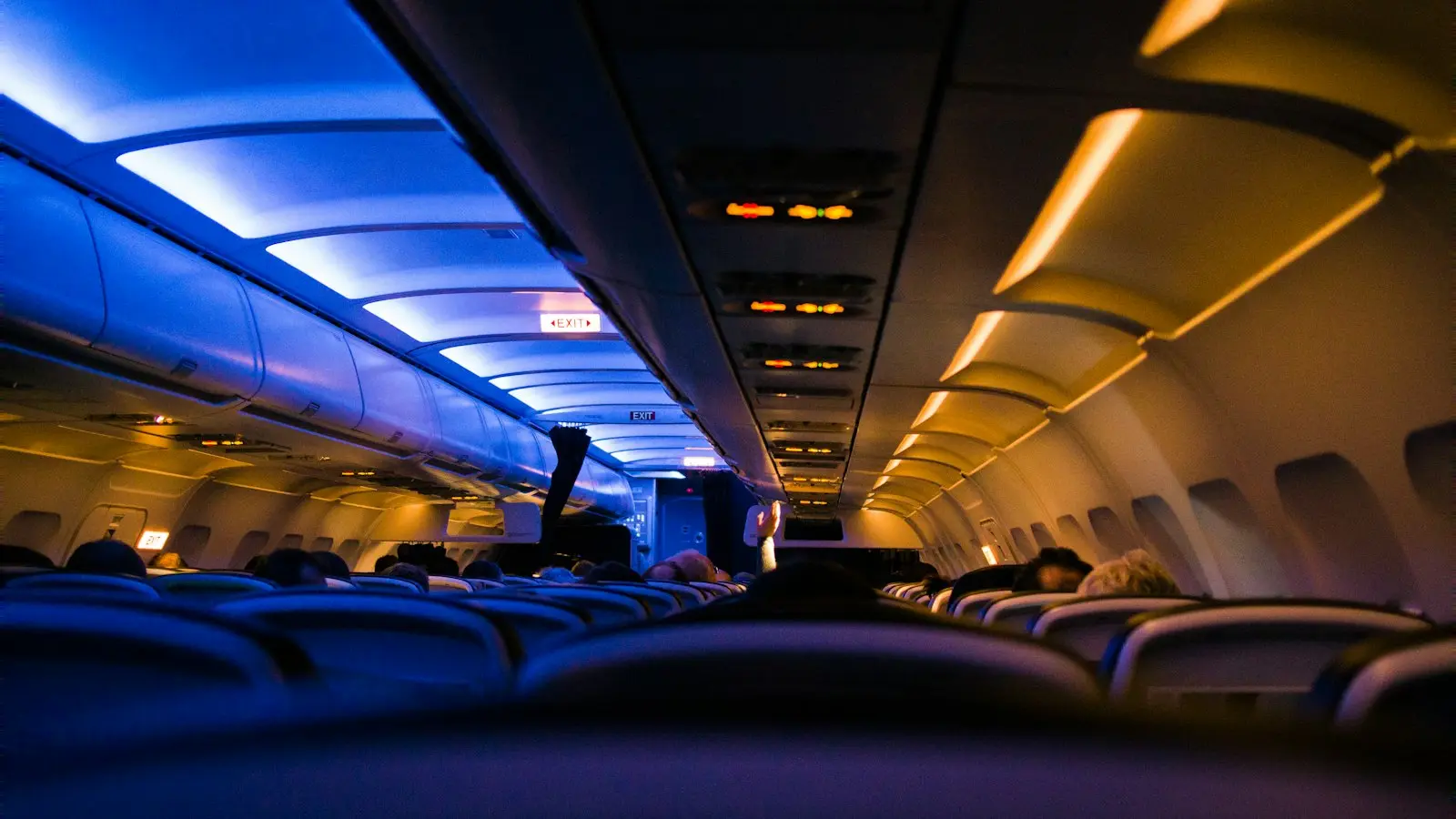
Travel can disrupt sleep after you return home, even if you crossed few or no time zones. A demanding itinerary can combine irregular bedtimes, early departures, late arrivals, changing rooms, heat, noise, stress, screens, and accumulated sleep loss. These factors can temporarily disturb both your body clock and your normal sleep pressure.
The result may feel like jet lag, but travel fatigue and post-travel insomnia are not exactly the same. Most people can begin recovery by restoring a steady routine, using light and activity thoughtfully, and avoiding habits that make nighttime sleep less likely. However, persistent or severe symptoms deserve medical advice rather than endless self-experimentation.
Key Takeaways
- Travel sleep disruption can occur without crossing time zones because long journeys, irregular schedules, unfamiliar rooms, and lost sleep can all affect rest.
- Jet lag involves a mismatch between your body clock and local time; travel fatigue can happen with any demanding trip, while post-travel insomnia describes ongoing difficulty sleeping.
- A consistent wake time, appropriately timed daylight, daytime activity, and a comfortable sleep environment can support recovery.
- Long or late naps, late caffeine, alcohol, stimulating screen use, and irregular routines may make nighttime sleep more difficult for some people.
- Seek medical advice for persistent or worsening sleep problems, severe daytime sleepiness, breathing symptoms, major mood changes, or immediate safety risks.
Why sleep can stay disrupted after a long trip
Your sleep is influenced by two main systems. The first is your circadian rhythm, an internal timing system that helps coordinate sleep, alertness, body temperature, and other daily functions. The second is sleep pressure, which builds the longer you remain awake and usually helps you sleep more deeply at night.
Travel can disturb both systems at once. An early airport transfer may shorten the night before departure, while a late arrival can delay bedtime. If this happens repeatedly, your body may accumulate sleep loss while receiving inconsistent signals about when to sleep and wake. Meal timing, daylight exposure, physical activity, and social schedules can also shift from day to day.
This is why travel sleep disruption does not require a dramatic time-zone change. A multi-stop journey with different beds, transport schedules, climates, and daily demands can be enough to make sleep feel unfamiliar. An enjoyable trip can still create a substantial recovery demand; positive emotions do not prevent fatigue or protect the body clock from irregular timing.
The return home can add another transition. You may expect to sleep immediately because you are exhausted, but exhaustion does not always produce smooth, consolidated sleep. Stress, late-night planning, residual travel habits, or a long afternoon nap may leave you tired yet unable to sleep at your usual bedtime.
Jet lag, travel fatigue, or post-travel insomnia?
Jet lag refers to a mismatch between your internal body clock and the local time after crossing time zones. Common features can include sleepiness at an unwanted time, difficulty sleeping during the local night, reduced concentration, and changes in appetite or mood. The direction and size of the time-zone change affect how the adjustment feels, but individual responses vary.
Travel fatigue is broader. It can follow long periods of sitting, fragmented rest, physical exertion, delays, stress, dehydration, and repeated schedule changes. Someone who travels within one time zone can still feel exhausted and sleep poorly because the journey has reduced sleep opportunity and disrupted normal routines.
Post-travel insomnia is a descriptive term, not automatically a formal diagnosis. It may describe difficulty falling asleep, repeated waking, or waking earlier than intended after a trip. In many cases, the problem is short-lived and linked to changed habits or surroundings. In other cases, travel may expose or amplify an existing sleep problem.
These experiences can overlap. For example, a traveler may have mild circadian disruption from crossing time zones, significant fatigue from several early departures, and difficulty sleeping in a hot or noisy room. Identifying the likely combination matters because the response differs: a body-clock problem may benefit from carefully timed light and routine, while environmental problems require practical changes to the sleep setting.
There is no universal recovery timetable. Adjustment depends on the number and direction of time-zone changes, how much sleep was lost, age, health, usual schedule, stress level, and conditions at home. Improvement should generally be judged by the overall trend rather than by expecting every night to be normal immediately.
How the travel environment can prolong poor sleep
A familiar bedroom provides repeated cues for sleep. During travel, those cues may disappear. An unfamiliar mattress, different room temperature, street noise, hallway light, insects, or concern about personal safety can keep part of the brain more alert. Even when you fall asleep, repeated small disturbances may reduce how restorative the night feels.
Heat is a frequent contributor. A warm room can make it harder to become comfortable, while sweating or repeated efforts to cool down may interrupt sleep. Noise and light can have similar effects, especially when they occur at a time your body is not accustomed to being awake.
Screens can extend the transition from activity to sleep. Messages, route planning, work, entertainment, and bright light may all encourage alertness close to bedtime. Screens are not the only issue, and avoiding them does not guarantee good sleep, but reducing stimulating use during a wind-down period may make the transition easier.
Late meals, alcohol, and caffeine may also alter the night. A heavy meal close to bedtime can be uncomfortable for some people. Alcohol may make falling asleep easier initially but can lead to lighter or more fragmented sleep later. Caffeine can remain active for several hours, although sensitivity and metabolism differ.
Repeated early starts and late arrivals create another problem: less time in bed and irregular wake times. Travelers may then try to recover by sleeping for several hours during the day. A long or late nap can reduce sleep pressure enough to make bedtime difficult, creating another cycle of nighttime wakefulness and daytime compensation.
Naps are not automatically harmful. A brief nap earlier in the day may help someone function while recovering, particularly after severe sleep loss. The practical concern is whether the nap is long, late, or replacing the nighttime schedule you are trying to rebuild.
A practical plan to reset your sleep schedule at home
Start with a realistic anchor rather than trying to fix every variable at once. Choose a wake time that is close to your normal local schedule and keep it reasonably consistent for the first several days. If you returned from a major time-zone shift, moving bedtime toward local time gradually may be more comfortable than forcing an early bedtime while you are not sleepy.
Get natural light during the morning when it fits your intended schedule, and spend some time being physically active during the day. Light is one of the strongest signals for the circadian system, but timing matters. The useful schedule can differ according to travel direction, the amount of time-zone change, season, latitude, and your desired sleep timing. If you have an eye condition, take light-sensitive medication, or are considering a bright-light device, ask a clinician for individualized guidance.
Keep meals and activity reasonably regular. Eating breakfast and other meals at local times, walking outdoors, and avoiding a completely inactive recovery day can help reinforce the new schedule. Hydration is sensible after a long journey, but drinking large amounts immediately before bed may create additional awakenings.
Use caffeine strategically. If you need it, keep it earlier in the day and consider your personal sensitivity. Avoid using repeated late-day doses to push through severe sleepiness, especially if you will need to drive or perform safety-sensitive tasks. Alcohol is not a reliable sleep treatment and may worsen sleep quality, so limiting or avoiding it while your routine is unsettled is reasonable.
If you nap, try to keep it earlier and relatively brief rather than sleeping through much of the afternoon. The right choice depends on how sleep-deprived you are and what responsibilities you have, but the aim is to support safe daytime functioning without removing the sleep pressure needed at night.
Create a low-stimulation wind-down period. Dimmer light, fewer work or travel-planning tasks, a cooler and quieter room, and a consistent pre-bed routine can provide useful cues. If you cannot sleep, avoid turning the bed into a place for prolonged frustration. A quiet activity in low light may be preferable until you feel sleepy again.
Melatonin may help some travelers in specific circumstances, particularly when circadian timing is the main issue, but it is not a universal solution. Its effects depend on timing, dose, formulation, individual health, and other medicines. Product quality can also vary. People who are pregnant, breastfeeding, taking medication, managing a chronic condition, or unsure whether melatonin is appropriate should seek advice from a clinician or pharmacist before using it.
Recovery is rarely perfectly linear. One poor night does not mean the reset has failed. Focus on a consistent wake time, appropriate light, daytime activity, a manageable nap strategy, and a sleep environment that supports rest. If a plan makes you more alert or anxious, simplify it rather than adding more rules.
When ongoing sleep problems need medical advice
Consider professional advice if sleep problems persist, worsen, repeatedly recur after travel, or interfere substantially with work, study, relationships, or daily functioning. A clinician can help distinguish a temporary travel-related problem from insomnia or another condition that needs assessment.
Severe daytime sleepiness is especially important. Do not drive, operate machinery, or perform safety-sensitive work if you are struggling to stay awake. Seek urgent help when sleepiness creates an immediate safety risk.
Breathing pauses, loud gasping or choking during sleep, chest symptoms, or repeated awakenings with difficulty breathing should not be assumed to be ordinary travel fatigue. They warrant medical attention, particularly if they are new, severe, or accompanied by significant daytime impairment.
Unusual mood changes also deserve attention. Seek help for severe anxiety, marked agitation, confusion, symptoms of depression, or thoughts of self-harm. Travel can be stressful, but serious mental-health symptoms should not be explained away as jet lag.
The same applies to symptoms suggesting another illness, such as persistent fever, severe pain, or ongoing gastrointestinal symptoms. Sleep disruption may be part of recovery, but it is not a reason to ignore broader health concerns.
FAQ
Can you have travel sleep disruption without crossing time zones?
Yes. Early departures, late arrivals, fragmented transport, changing beds, heat, noise, stress, irregular meals, and reduced sleep opportunity can disrupt sleep without a major change in clock time. This is often described as travel fatigue, although it can overlap with other sleep problems.
How long does it usually take to sleep normally after a long trip?
There is no reliable universal timeline. Some people improve after a few nights of consistent local routines, while others need longer, especially after substantial sleep loss, multiple time-zone changes, illness, or ongoing stress. Look for gradual improvement rather than expecting every night to normalize immediately.
Should you use melatonin to reset your sleep schedule after travel?
Melatonin can be useful for some people in specific situations, but timing and dose matter, and it may not be appropriate with certain conditions or medicines. Ask a clinician or pharmacist for personalized advice instead of treating it as a universally safe sleep aid. A steady wake time, well-timed light, daytime activity, and a supportive sleep environment remain important parts of travel recovery sleep.