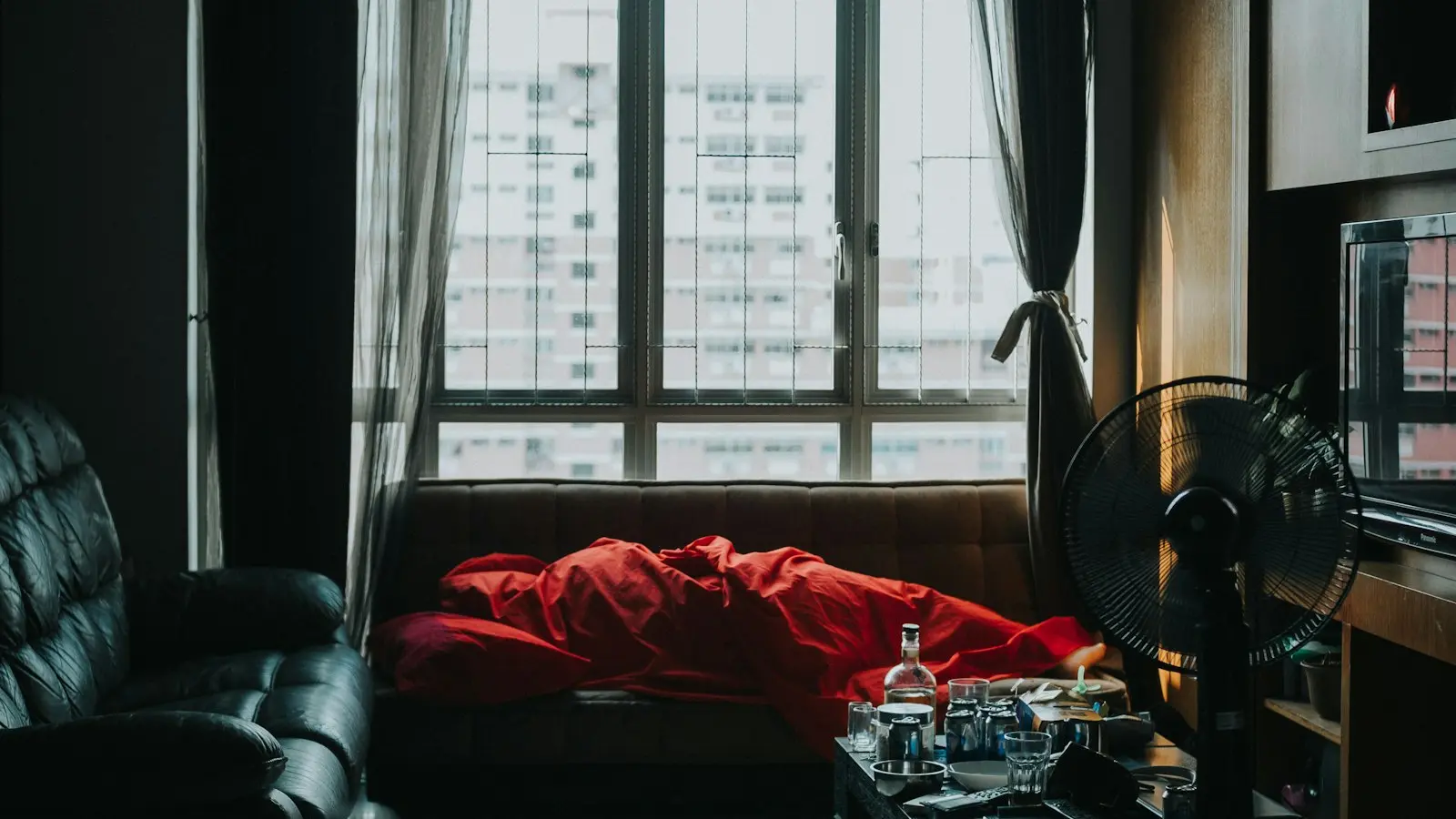
Travel can change your sleep schedule without causing classic jet lag. Even a trip within one time zone—or none at all—may involve early departures, late arrivals, unfamiliar beds, long transport days, more walking, irregular meals, alcohol, stress, and exposure to light at unusual times.
The result may be daytime tiredness, waking earlier or later than usual, difficulty falling asleep, or a broken night. These symptoms are often temporary and do not automatically indicate a sleep disorder. The key is to distinguish a mismatch between your internal clock and local time from ordinary travel-related sleep disruption.
Key Takeaways
- Travel can disrupt sleep without crossing time zones because transport, stress, light, activity, and unfamiliar environments change your routine.
- Classic jet lag involves a mismatch between your internal body clock and local time; travel fatigue can happen without that mismatch.
- A consistent wake time, appropriate daytime light, normal activity, and carefully timed naps may support recovery, but no single tactic resets the body clock instantly.
- Melatonin and other sleep aids are not universal solutions and may require professional guidance because timing, interactions, health conditions, and product quality matter.
- Seek medical advice if sleep problems persist or worsen, daytime sleepiness affects safety, or symptoms such as gasping, choking, severe mood changes, or confusion occur.
Jet lag is not the only reason travel changes sleep
Classic jet lag occurs when you cross time zones and your internal circadian rhythm remains aligned with the place you left. Your body may still promote sleepiness, alertness, and other daily functions according to your old schedule while the local clock says it is time to sleep or wake.
Travel can disturb sleep without that time-zone mismatch. An early airport transfer may shorten your night. A late arrival can push bedtime well beyond your usual time. Changing hotels may expose you to unfamiliar noise, temperature, lighting, or safety concerns. Meals, caffeine, alcohol, and sightseeing may also occur at times your body does not expect.
These causes can overlap. For example, a traveler might sleep poorly on a flight, walk for several hours after arrival, eat dinner late, and then wake early for a tour. The following day’s fatigue may reflect lost sleep and an unsettled routine rather than jet lag.
Travel fatigue is therefore broader than jet lag. It describes tiredness and reduced alertness after demanding travel, regardless of how many time zones were crossed. A few disrupted nights after a busy trip are usually different from persistent insomnia or a diagnosed circadian rhythm disorder.
How light, activity, and routine influence the body clock
Your circadian rhythm is an approximately 24-hour timing system that helps coordinate sleepiness, alertness, body temperature, hormones, and other daily functions. It is strongly influenced by environmental cues, especially the timing of light exposure.
Daylight during the local morning and daytime generally provides a clear signal that it is time to be awake. Outdoor sightseeing may help anchor a daytime routine, particularly when it replaces a morning spent indoors in a dark hotel room. By contrast, bright light late in the evening can make some people feel more alert and less ready for bed, although individual responses vary.
Light timing is not a one-size-fits-all prescription. Its effect depends on when you encounter it, your destination, the season, your sleep history, and your personal circadian timing. Someone returning from a late schedule may respond differently from someone who is already waking early.
Sleep pressure is a separate mechanism. The longer you remain awake, the more the drive to sleep usually builds. A day of walking, carrying luggage, and staying awake through a long journey can increase this pressure and make sleep easier. However, physical tiredness does not always overcome stress, noise, late light exposure, or an unsuitable sleep environment.
Activity can help establish daytime alertness, but more is not always better. Moderate movement during the day may support a normal sleep-wake pattern. Very intense activity immediately before bed, or a packed itinerary that leaves no opportunity to wind down, may be stimulating for some travelers.
Other routine changes can contribute. Caffeine taken late in the intended waking period may delay sleep. Alcohol may cause initial drowsiness but can lead to lighter or more fragmented sleep, so it is not a dependable sleep treatment. Stress about flights, borders, navigation, or the next morning’s plans can keep the brain alert even when the body is tired.
Why transport days and changing hotels create fragmented sleep
Transport creates unusual sleep opportunities. Airport transfers, overnight flights, early trains, buses, border crossings, and late check-ins can turn one normal sleep period into several short attempts to rest. Sleeping upright, wearing a seat belt, responding to announcements, and monitoring belongings may prevent the deeper, continuous sleep you get at home.
The environment matters as well. Cabin noise, station lighting, unfamiliar room temperature, street sounds, a different mattress, and concerns about missing an alarm can all increase brief awakenings. You may spend several hours in bed but receive less restorative or continuous sleep.
A broken night caused by logistics does not necessarily mean the body clock has permanently shifted. It may simply reflect a short opportunity and poor conditions for sleep. The next day, however, accumulated sleep loss can cause poor concentration, irritability, heavy eyelids, and a strong urge to nap.
Sleeping longer after an exhausting travel day can help recover some lost sleep, but it does not automatically reset circadian timing. A long, late-afternoon sleep may reduce sleep pressure and make the following night harder. Recovery usually works better when travelers restore a reasonably stable pattern rather than trying to compensate perfectly in one day.
Practical ways to stabilize a travel sleep schedule
Before departure, protect your usual sleep opportunity as much as the itinerary allows. Deliberately staying awake or restricting sleep to “force” an adjustment can leave you more impaired before the journey begins. Plan around the first morning at your destination or back home: knowing when you need to be alert helps you decide when to seek daylight, rest, and caffeine.
During travel, prioritize safe rest rather than a perfect schedule. If you can sleep, use the opportunity, but do not assume that a transport nap will replace a normal night. Keep caffeine earlier in the period when you intend to be awake, and avoid using alcohol as a sleep strategy. Alcohol combined with sedating medicines can create additional safety concerns.
After arrival, a consistent wake time is often more practical than forcing a particular bedtime. Get daylight during the intended daytime, move around normally, and avoid remaining in bed for many extra hours if you are awake. These steps provide useful signals to the body clock, but they do not guarantee an immediate reset.
Make the sleep environment as predictable as possible. A cool, dark, and quiet room may reduce avoidable awakenings. In an unfamiliar room, arranging the alarm before bed, reducing unnecessary light, and limiting late-night planning may make it easier to settle.
Naps require judgment. A brief nap earlier in the day is generally less likely to interfere with nighttime sleep than a long or late nap. However, the best choice depends on how sleep-deprived you are, whether you must drive or perform safety-sensitive work, and when you plan to sleep that night. If you are dangerously sleepy, safe rest takes priority over preserving a perfect bedtime.
Hydrate normally, especially during long journeys, but do not expect water to reset the body clock or cure travel fatigue. Excessive fluids close to bedtime may simply create additional awakenings. Regular meals can also help restore routine, although no single food reliably corrects a disrupted sleep schedule.
Melatonin and other sleep aids deserve caution. Melatonin may help some people in particular circadian situations, but its usefulness depends on timing and individual factors; it is not a universal remedy for travel sleep problems. Products can vary, and interactions, pregnancy, age, health conditions, and other medicines may affect whether it is appropriate. Sedating medicines can also impair alertness and coordination. Discuss supplements or sleep medicines with a clinician or pharmacist rather than improvising a dose or combining products.
A realistic recovery plan after a one-week trip
For the first 24 hours after returning, focus on safety and basic structure. Eat ordinary meals, seek daylight during your intended daytime, and use a reasonable wake time if you can do so without creating dangerous sleepiness. If you are too tired to drive, do not rely on caffeine to make the journey safe; arrange another form of transport or rest first.
On days two and three, keep your wake time and daytime light exposure fairly regular. Use normal daytime activity, but avoid turning the day into a test of endurance. If you nap, consider taking it earlier rather than allowing a long sleep late in the day. At bedtime, go when you are reasonably sleepy instead of lying awake for hours trying to force sleep.
By days four through seven, look for a trend rather than perfection. Sleep may gradually move toward your pre-trip pattern, with fewer awakenings and better daytime alertness. Recovery can take longer when the trip involved several time zones, repeated early mornings, overnight transport, illness, heavy alcohol use, high stress, or poor sleep before departure. People with different baseline schedules and sleep needs may also recover at different rates.
Contact a clinician if insomnia persists or worsens after a reasonable return-to-routine period, or if daytime sleepiness interferes with work, driving, or other normal activities. Repeated gasping, choking, or loud disruptive breathing during sleep should also be assessed, as these symptoms may point to a condition that travel made more noticeable. Severe mood changes, unusual confusion, or other concerning symptoms warrant prompt medical attention.
The practical lesson is that a disrupted travel sleep schedule does not need to be labeled jet lag to be real. Light, sleep pressure, logistics, activity, stress, and unfamiliar surroundings can all alter sleep. A steady wake time, appropriate daytime light, safe use of naps, ordinary activity, and patience usually provide a better recovery strategy than trying to force the body clock with a supplement or an extreme schedule.
FAQ
Can you have travel-related sleep disruption without crossing time zones?
Yes. Early departures, late arrivals, overnight transport, changing hotels, unfamiliar noise, irregular meals, stress, and lost sleep can disrupt sleep even when local clock time barely changes. This is travel fatigue or routine disruption rather than classic jet lag.
What is the best way to sleep after travel without making the next night worse?
Use a consistent, practical wake time, seek daytime light, remain normally active, and avoid a long or late nap when possible. If you are dangerously sleepy, rest safely rather than forcing yourself to stay awake. Avoid relying on alcohol or excessive caffeine as sleep-management tools.
When should travel-related insomnia or daytime sleepiness be checked by a clinician?
Seek advice when symptoms persist or worsen after you have resumed a normal routine, or when sleepiness affects driving, work, or safety. Repeated choking or gasping during sleep, severe mood changes, or unusual confusion also deserve medical attention.