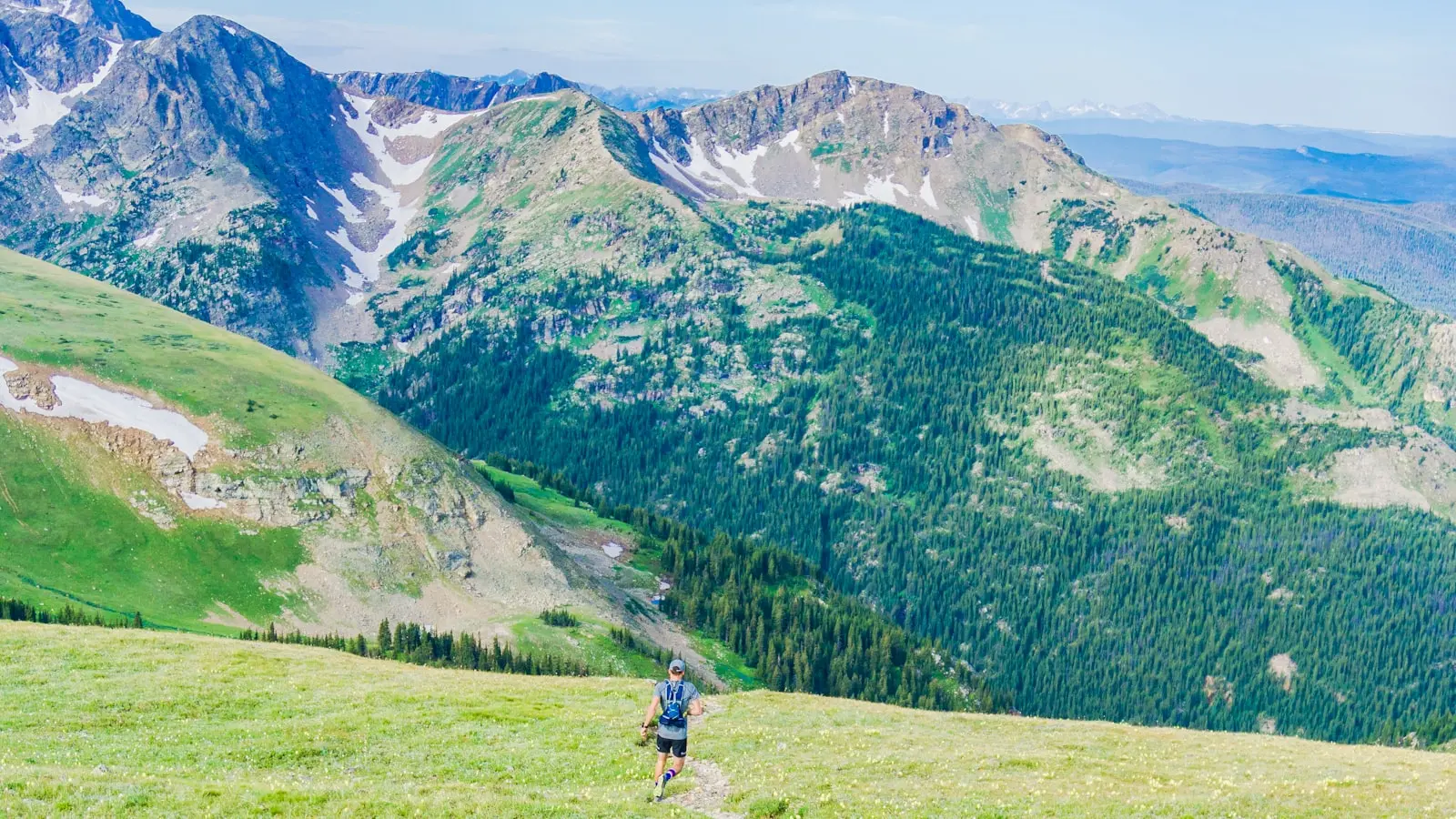
What to Know Before You Start
Training for a mountain trail run at high altitude requires a deliberate shift in how you prepare. The thinner air at elevations above 1,500 meters reduces the amount of oxygen available to your muscles. For a run like the Black Lake loop in Zabljak (approximately 1,450 meters with 300 meters of gain over 4.5 kilometers), you cannot rely on the same training you would use for a flat sea-level 5K. Success depends on building aerobic capacity, leg strength for steep climbs, and teaching your body to manage lower oxygen levels. This guide breaks down a progressive 8-week plan that uses common gym equipment and outdoor hills to simulate altitude without needing a specialized chamber.
Key Takeaways
- Start training at least 8 weeks out, focusing on aerobic base, hill repeats, and incline work.
- Arrive at altitude 2-3 days early for initial acclimatization and do only light jogs.
- Pace by breathing effort, not your usual sea-level speed; expect the 4.5 km loop to take 40-60 minutes.
- Watch for acute mountain sickness symptoms (headache, nausea, dizziness) and descend if they appear.
- Gear matters: aggressive trail shoes, hydration vest, layered clothing, sun protection, and a safety kit.
1. Understand the Physiological Demands of High-Altitude Running
At around 1,500 meters, your maximum oxygen consumption (VO₂ max) begins to drop roughly 1–2% per 300 meters of additional elevation gain. This means your heart has to work harder to deliver the same amount of oxygen, and your breathing rate increases even at easy paces. You will feel the difference in the first few minutes of running uphill.
Pace becomes unreliable at altitude. A 6:00 per kilometer pace at sea level might feel like a 7:00 or even 8:00 pace on the mountain. The smartest approach is to run by effort—specifically by monitoring your breathing rate. If you cannot speak in full sentences, you are pushing too hard.
Acute mountain sickness (AMS) is a real risk for runners who ascend quickly. Symptoms include headache, nausea, dizziness, and unusual fatigue. If you experience any of these during your Black Lake run, stop and descend immediately. AMS can worsen rapidly, and the trail around the lake may have limited access to help. Recognize these symptoms before your run and have a plan to turn back.
2. Pre-Trip Conditioning: Build Aerobic Base and Leg Strength
Your preparation should span at least eight weeks, with the first two focused on raising your aerobic engine. Run three to four times per week at a conversational pace—meaning you can hold a chat without gasping. Supplement with cross-training like cycling or swimming to build cardiovascular endurance without pounding your joints.
Weeks 3–4: Hill repeats and stair climbing. Find a hill with an 8–12% grade. Run uphill for 1–2 minutes at a hard but sustainable effort, then jog or walk downhill to recover. Repeat 6 to 10 times. This mimics the repeated climbs you will face on a mountain trail. On other days, use a stair machine for 20–30 continuous minutes at a steady effort. Stair climbing builds the specific slow-twitch muscle endurance needed for long ascents and elevates your heart rate similarly to altitude.
Weeks 5–6: Simulated altitude sessions. Take your incline treadmill to 10–15% grade and run at a pace that feels moderate. Introduce controlled breathing intervals: run for 5 minutes, then for 1 minute reduce your breathing cadence (for example, inhale for 4 steps, exhale for 3 steps) or hold your breath for short intervals of 10–15 seconds. Do not hyperventilate before a breath hold. Repeat this pattern 4–6 times per session. These drills train your body to work with slightly less oxygen, a key part of any high altitude running preparation.
Weeks 7–8: Taper and practice descending. Reduce total volume by about 30%, but keep the intensity of your hill efforts the same. Use this time to practice descending technique on steep trails (if available). Running downhill at altitude puts eccentric stress on your quadriceps; you want those muscles ready for the 300 meters of descent on the Black Lake loop.
3. Simulate Altitude Without a Chamber: Practical Tools
Most runners training for a mountain trail run altitude challenge do not have access to an altitude chamber or hypoxic tent. Fortunately, you can simulate much of the physiological demand with three tools: incline work, breathing drills, and careful heart rate monitoring.
- Incline treadmill and stair machines force your legs to work harder and your heart to pump faster—mimicking the elevated heart rate you experience at altitude. A 30-minute incline treadmill session at 10–15% grade can produce a similar effort to running at 1,500–2,000 meters.
- Breathing drills such as the 4-in, 3-out pattern teach your respiratory muscles to work more efficiently. Some runners find that periodic breath holds during easy jogs (never while pushing hard) help them tolerate a temporary oxygen deficit.
- Training masks are sometimes used but the evidence for a real altitude-simulation effect is limited. They increase the work of breathing but do not reduce the fraction of oxygen in the air. If you use one, treat it strictly as a mental tool to prepare for the sensation of heavier breathing, not as a substitute for actual hypoxia.
Track your heart rate variability (HRV) with a simple wearable. A decreasing HRV over consecutive days signals that you may need extra recovery, especially as you pile on hill sessions.
4. Acclimatization and Race Week Strategy at Black Lake
Arriving in Zabljak at least 2–3 days before your scheduled run is a must. During these first days, do only light 20–30 minute jogs at an easy effort. Your body needs time to produce more red blood cells and adjust fluid balance. Full acclimatization for 1,400–1,600 meters can take one to two weeks, but three days of low-intensity movement will make a significant difference.
Hydration becomes critical at altitude. Dry mountain air increases your insensible water loss through breathing. Plan to drink one to two extra liters of water per day compared to sea level. Include electrolyte drinks to maintain sodium and potassium balance. Avoid alcohol entirely in the 48 hours before the run, as it dehydrates you and can mask early AMS symptoms.
For nutrition, focus on complex carbohydrates (whole grains, oatmeal, potatoes) for sustained energy, and iron-rich foods such as spinach or lean red meat to support oxygen transport. A small iron boost in the weeks before your trip can help, but do not supplement without talking to a doctor.
Pacing on the Black Lake loop: The trail is 4.5 km with 300 meters of cumulative gain. That is a significant climb packed into a short distance. Expect your total time to be 40–60 minutes, roughly double what you might run for a flat sea-level 5K. Start at an effort that feels easy, and walk the steepest sections without shame. Many experienced trail runners use a 3:1 or 2:1 run-to-walk ratio on sustained climbs.
If at any point you feel a headache, nausea, or dizziness—stop. Descend to a lower point and rest. AMS can escalate to high altitude pulmonary or cerebral edema, both emergencies. The Black Lake trail is beautiful but remote; carry a phone and know the emergency number for Montenegro (112).
5. Essential Gear for Mountain Trail Running
The Black Lake trail conditions—rocky sections, muddy patches, and possible sudden weather changes—demand specific equipment. Use this checklist:
- Trail shoes with aggressive lugs for grip on loose gravel and wet roots. Look for models with a rock plate for protection.
- Hydration vest or handheld bottles, total capacity 1–2 liters. Dehydration sets in faster at altitude.
- Layered clothing: a moisture-wicking base layer, a lightweight fleece or insulating midlayer, and a windproof/waterproof shell. Temperatures on the mountain can swing 15°C in an hour.
- Sun protection: UV radiation increases about 10% per 1,000 meters of elevation. Wear a hat, sunglasses, and SPF 30+ sunscreen.
- Safety kit: a whistle (three blasts is the universal distress signal), a headlamp with fresh batteries, an emergency blanket, and a small first-aid kit with blister care and pain relievers.
- Navigation: even though the Black Lake loop is marked, carry a map or download GPS offline. Mountain fog can reduce visibility to a few meters.
FAQ
How long does it take to acclimate to altitude for running?
Most runners feel initial improvement after 48–72 hours, but full adaptation (for 1,400–1,600m) can take 1–2 weeks. For a single run, arriving 2–3 days early is recommended.
Can I effectively train for altitude using a stair climber?
Yes. Stair climbing builds the same slow-twitch muscle endurance needed for steep ascents and elevates heart rate similar to altitude effort. Aim for 30–45 minute sessions at a steady, uncomfortable pace.
What should I eat and drink when running at high altitude?
Prioritize complex carbohydrates for sustained energy, plus iron-rich foods to support red blood cell production. Hydrate with water and electrolyte drinks; avoid alcohol and excessive caffeine.