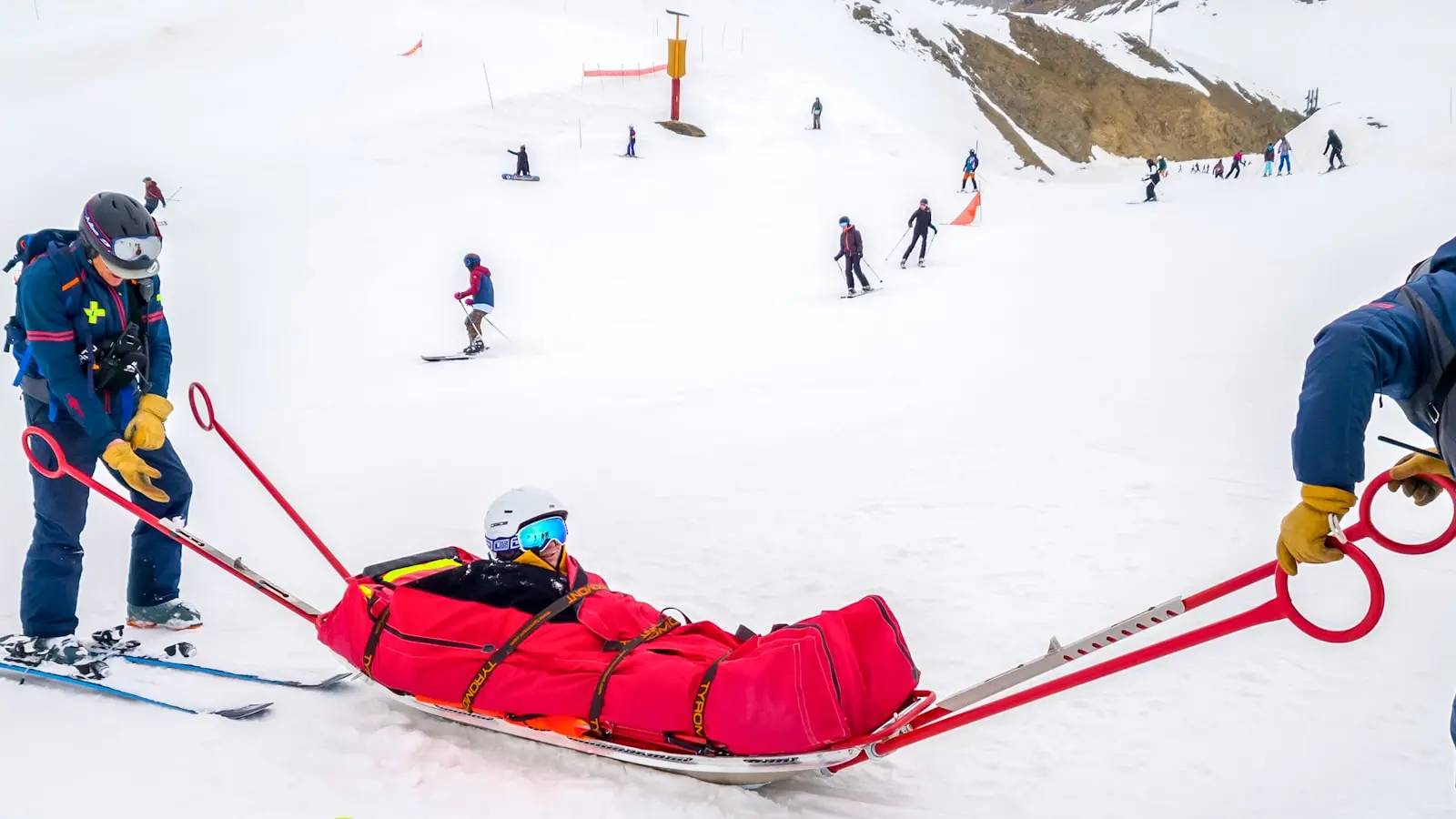
A suspected jaw injury after sparring, competition, or any blow to the face should end activity immediately. Do not assume the injury is minor because the athlete is awake, can talk, or has little visible swelling. Breathing problems, heavy bleeding, neurological symptoms, neck pain after substantial force, or an obviously unstable jaw require emergency care; other jaw and tooth warning signs need prompt assessment.
Key Takeaways
- Stop sparring, drills, competition, and conditioning immediately after a significant impact to the jaw, chin, or midface.
- Call emergency services for breathing difficulty, choking risk, heavy bleeding, confusion, loss of consciousness, seizure, worsening severe headache, vision changes, or significant neck pain.
- A changed bite, chin or lower-lip numbness, trouble opening the mouth, loose teeth, or abnormal jaw movement may indicate a serious injury even when swelling is limited.
- Do not chew, clench, force the jaw into place, tape it shut, or test it by repeatedly opening the mouth.
- A knocked-out permanent tooth is time-sensitive; protect the airway first, handle the tooth by its crown, keep it moist, and seek urgent dental care. Never replant a baby tooth.
Stop Activity and Check for Emergency Warning Signs
Treat a direct hit to the jaw, chin, or midface as potentially serious. The same impact that injures the jaw can also affect the teeth, mouth, head, neck, or eyes. The first task is not to decide whether the jaw is broken; it is to make sure the athlete can breathe, is alert, and does not have uncontrolled bleeding or another emergency.
Call emergency services or go to an emergency department immediately for difficulty breathing, choking, or an inability to manage blood or saliva safely. Heavy or persistent mouth bleeding, repeated vomiting, confusion, seizure, loss of consciousness, a worsening severe headache, new vision changes, or neck pain after a substantial impact also require emergency evaluation.
A jaw that looks crooked, feels unstable, cannot close normally, or appears displaced should be treated as an emergency concern. Do not try to straighten it or force it back into place. Manipulating an injured jaw can increase pain, worsen tissue damage, and create additional airway risk.
Keep the athlete upright if comfortable and safe, and monitor them closely. If a neck injury is possible, avoid unnecessary movement of the head and neck. Do not put fingers into the athlete’s mouth unless needed for immediate airway safety; an injured or frightened person may bite involuntarily.
Recognize Broken Jaw Symptoms and Dental Trauma That Need Prompt Assessment
Swelling and bruising are common after contact, but neither confirms nor rules out a fracture, dislocation, or significant dental injury. A clinician may need to assess the injury and decide whether imaging is appropriate. Athletes should not try to diagnose themselves by clenching, chewing, or repeatedly opening the mouth.
Among the most important broken jaw symptoms is a bite that suddenly feels different, or teeth that no longer meet in their usual position. A new gap, early contact on one side, or a sense that the jaw has shifted needs prompt assessment. The normal way the teeth meet is familiar to the athlete, so an abrupt change can be a useful warning sign.
Other concerns include jaw pain, increasing swelling, bruising, difficulty opening or closing the mouth, pain when speaking, and trouble chewing. Numbness or tingling in the lower lip or chin can matter because facial trauma may affect nearby nerves. Jaw movement that feels abnormal, including movement to one side when opening, is another reason to stop activity and seek care.
Check for bleeding, bruising, or swelling inside the mouth, including around the gums and beneath the tongue. A loose, missing, cracked, displaced, or broken tooth may indicate dental trauma and can occur alongside a jaw injury. A tooth that suddenly appears longer, shorter, higher, or lower than before may have shifted even if it is not very painful.
Cuts to the lips, tongue, or gums also need attention. Mouth injuries can bleed heavily, and the ability to speak, stay conscious, or tolerate pain does not clear an athlete to resume training.
Use Immediate Jaw Injury Emergency Care Without Worsening Damage
Stop all sparring, training, conditioning, and competition at once. Adrenaline can temporarily mask pain, but another impact or forceful jaw movement may worsen an injury. Help the athlete leave the training area and remain with them while care is arranged.
Use a cold pack wrapped in cloth in short intervals to help limit swelling and discomfort. Do not apply ice directly to skin, and do not press firmly on an area that appears deformed or unstable. Cold treatment is supportive first aid, not a substitute for an examination.
If bleeding is minor and the athlete can cooperate without choking or swallowing difficulty, apply gentle pressure with clean gauze or a clean cloth. Avoid repeatedly lifting the material to inspect the wound, which can disrupt clotting. Seek emergency help if bleeding is heavy, persistent, or affects breathing.
Avoid food and drink when emergency assessment may be needed, particularly if there is a suspected fracture or dislocation, major bleeding, nausea, swallowing difficulty, or a possible procedure requiring sedation. Do not give alcohol. If a clinician later recommends a soft diet or another eating plan, follow that individualized guidance rather than testing the jaw with regular foods.
Do not ask the athlete to bite down “just to check,” chew gum, clench, eat hard foods, or force the mouth open. Do not tape, bind, or wrap the jaw. These measures do not correct a fracture or dislocation and can complicate breathing or hide a changing condition.
Handle a Missing Tooth After Impact and Arrange the Right Care
A missing tooth after impact is time-sensitive, especially if it is a permanent tooth. Airway safety comes first. If the athlete may swallow or inhale the tooth, is confused, is vomiting, cannot cooperate, or has a possible jaw fracture or major facial injury, prioritize emergency medical care and do not attempt reinsertion.
For a fully knocked-out permanent tooth, handle it only by the crown, the visible chewing portion. Avoid touching the root, which has delicate surface tissue relevant to dental treatment. If the tooth is visibly dirty, use only a brief, gentle rinse consistent with current dental-trauma first-aid guidance. Do not scrub, scrape, or wrap it in tissue.
Immediate reinsertion of a permanent tooth may be considered only when the athlete is alert, cooperative, able to protect their airway, and has no concern for swallowing or aspiration. If those conditions are not clearly met, keep the tooth moist in an appropriate storage medium and seek emergency dental care immediately. A dental professional may be able to provide situation-specific direction during transport.
Baby teeth should not be replanted because reinsertion may harm the developing permanent tooth beneath it. If it is unclear whether the tooth is primary or permanent, protect the athlete’s airway, keep the tooth if practical, and obtain urgent professional advice rather than guessing.
Save broken tooth fragments when possible. A chipped, loose, cracked, pushed-in, or displaced tooth still needs urgent dental assessment, even when pain is limited. Dental trauma can involve the root, nerve, supporting bone, or bite alignment in ways that are not obvious at the gym or ringside.
Emergency clinicians assess airway concerns, major bleeding, possible facial fractures, and head or neck injuries. A dentist or oral and maxillofacial specialist assesses the teeth, gums, bite, and supporting structures. After a substantial impact, an athlete may need both forms of care.
Get Diagnosed Before Returning to Training
Assessment usually starts with the mechanism of injury and an examination of the jaw, teeth, gums, bite, facial sensation, and mouth opening. A treating clinician may select imaging when the examination and injury pattern raise concern for a fracture or another facial injury. The exact tests depend on symptoms, examination findings, and clinical judgment.
Treatment varies substantially. A soft-tissue injury, dental displacement, stable fracture, dislocation, and complex facial injury have different management needs. It is not safe to predict surgery, jaw wiring, a specific diet, or a recovery timetable from symptoms alone.
Follow the treating team’s instructions for food texture, oral hygiene, pain management, activity, and follow-up. Do not self-test recovery by chewing hard foods, forcing the mouth open, or returning to pad work. A pain-free day does not necessarily mean that the bone, tooth, joint, or supporting tissue is ready for another impact.
Return to contact training, sparring, and competition only after clearance from the clinician managing the injury. Clearance should account for bite function, mouth opening, pain or numbness, bone and dental healing, treatment received, and the risk of another facial impact. If a head injury is also possible, that return-to-sport process may require separate assessment.
A properly fitted mouthguard may reduce some dental injuries in future training, but it does not eliminate the risk of jaw injury, concussion, or facial fracture. Protective equipment is a prevention measure, not permission to return before healing is complete.
FAQ: Can You Have a Broken Jaw If You Can Still Talk?
Yes. Being able to talk, remain conscious, or tolerate pain does not exclude a fracture or dislocation. A changed bite, lower-lip or chin numbness, difficulty opening the mouth, loose teeth, significant pain, or abnormal jaw movement after impact warrants prompt medical evaluation.
FAQ: Should an Athlete Eat After a Suspected Jaw Injury?
Do not chew or test the jaw. Avoid food and drink when emergency evaluation may be needed, swallowing feels unsafe, there is nausea or bleeding, or a procedure could be required. Follow instructions from emergency clinicians or the treating dental or maxillofacial team.
FAQ: What Should You Do With a Knocked-Out Tooth After a Sports Impact?
Treat a knocked-out permanent tooth as urgent. Handle it by the crown rather than the root, keep it moist using current dental-trauma first-aid methods, and obtain urgent dental care. Do not replant a baby tooth, and do not attempt reinsertion when airway safety, cooperation, or associated facial trauma is a concern.