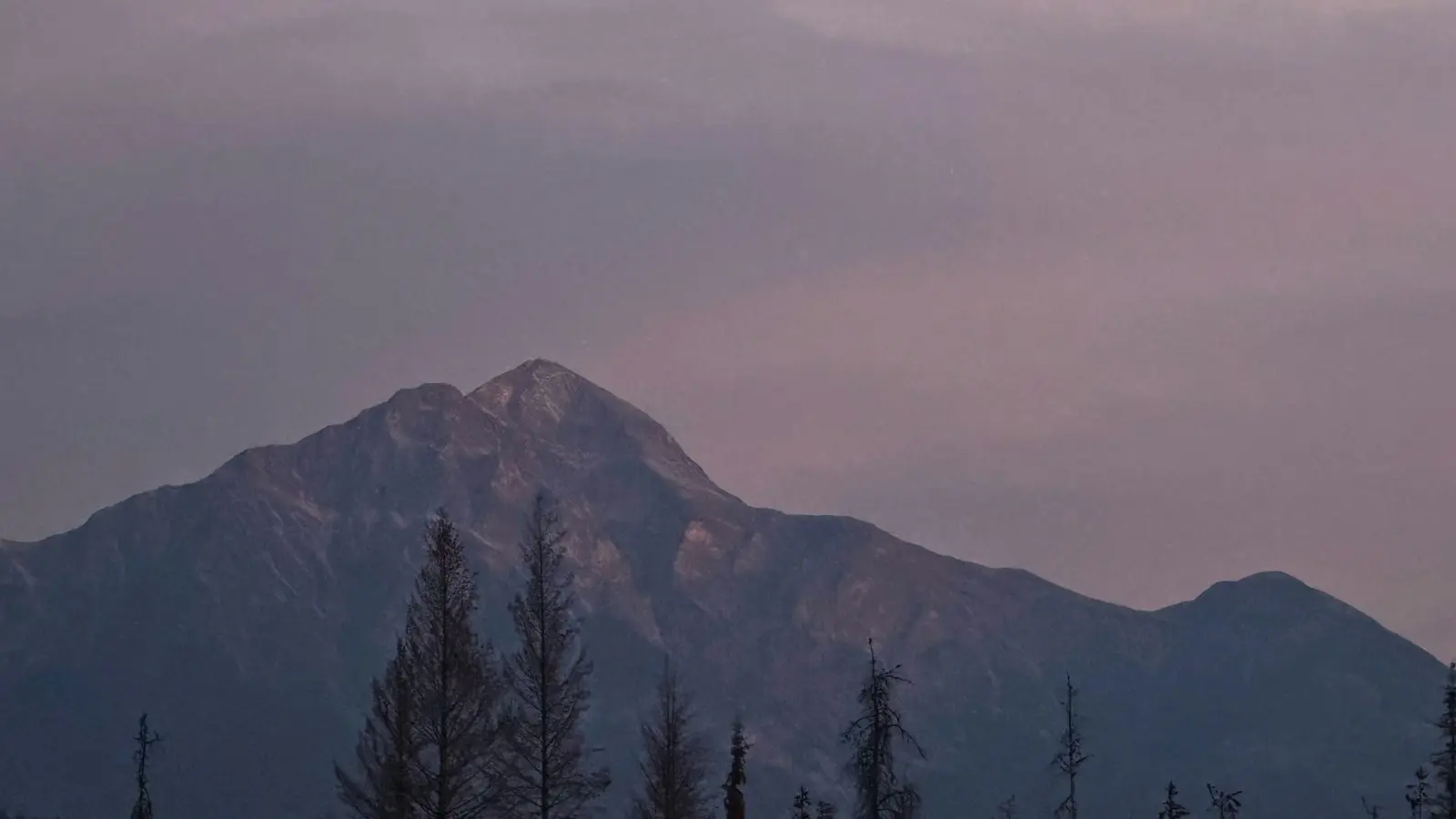
Sunrise hiking is not automatically safer than hiking in the afternoon. An early start can reduce heat exposure, strong sun, and crowding, but it may also involve darkness, cold, poor visibility, fatigue, and limited access to transport or help. The safer choice depends on the route, forecast, daylight, equipment, group experience, and current official access information.
For a simple, well-marked trail with stable weather, dawn may be a sensible option. For a steep, exposed, unfamiliar, or technically demanding route, starting later in full daylight may provide a larger safety margin. In some conditions, neither time is appropriate.
Key Takeaways
- Sunrise hiking can reduce heat exposure, glare, and crowding, but it is not automatically safer.
- Pre-dawn travel adds risks from darkness, cold, fatigue, limited visibility, and navigation errors.
- Weather, route exposure, official access information, and available daylight matter more than the appeal of a sunrise view.
- Use a headlamp, backup navigation, warm layers, food, water, and a communication plan before starting early.
- Choose a later start, shorter route, guided outing, or no hike when conditions or preparation leave too little safety margin.
When sunrise hiking may reduce risk
One of the clearest potential benefits of an early start is lower heat exposure. Hiking uphill or across exposed terrain generates body heat, and warm weather can make exertion feel harder. Starting before the strongest daytime sun may make a strenuous route more manageable, particularly when shade is limited and water supplies are restricted.
Lower sun intensity can also reduce glare and direct ultraviolet exposure. This does not eliminate the need for sun protection: sunlight can become strong soon after sunrise, and reflective surfaces such as rock, water, or pale ground can increase discomfort. Sunglasses, sunscreen, a hat, and adequate water may still be appropriate depending on the route and forecast.
Dawn can also mean fewer people on the trail. Less crowding may reduce congestion on narrow paths, steps, viewpoints, or single-track sections. It can make it easier to maintain a steady pace and may reduce the pressure to pass or follow unfamiliar groups. However, a quiet trail also means fewer nearby people if something goes wrong, so low traffic is not an unqualified safety benefit.
An early departure can provide more daylight hours for completing a long route before late-day heat or afternoon weather develops. This is useful only if the hiker is rested, properly equipped, and able to navigate the route before sunrise. “Arriving at sunrise” is not the same as “starting at sunrise.” A viewpoint reached at sunrise may require a substantial approach in darkness.
The benefits are therefore conditional. Sunrise hiking safety improves when cooler conditions and extra daylight after the viewpoint outweigh the hazards of the pre-dawn approach. It does not improve simply because the destination looks safer or more attractive at first light.
Early-morning hazards: darkness, cold, fatigue, and visibility
Darkness is the main difference between a sunrise hike and a hike that begins after daylight. Even a familiar trail can look different when the surrounding terrain, trail edges, and landmarks are not visible. Loose stones, roots, steps, drop-offs, wet rock, and changes in surface may be harder to identify.
A phone flashlight is usually a poor substitute for a suitable headlamp. It may drain the battery needed for navigation or emergency communication, and it requires one hand to hold the device. A headlamp leaves both hands available for balance and provides more consistent lighting. A spare light or spare batteries are sensible backups because a single light can fail or become unusable.
Cold is another important early-morning risk. Temperatures may be lower before sunrise, while wind can make exposed ridges and summits feel significantly colder. Wet clothing, rain, mist, or prolonged stops can increase heat loss. Cold may also reduce finger dexterity, making it more difficult to use zippers, trekking poles, maps, or other equipment.
Layering is more practical than relying on one heavy garment. A warm insulating layer and a windproof or waterproof outer layer can be adjusted as exertion and conditions change. Clothing should be planned for the coldest exposed section, not only for the temperature at the trailhead or in a nearby town.
Fatigue can undermine even good equipment. A very early alarm, poor sleep, jet lag, travel stress, or a rushed departure may affect concentration, balance, and decision-making. A person who feels capable in daylight may make poorer route choices when tired and navigating in the dark.
Sunrise itself does not create instant full visibility. Low-angle light can produce long shadows, glare, and strong contrast between bright and dark areas. Cloud, mist, or a shaded slope may delay useful visibility beyond the stated sunrise time. On a mountain, conditions at the viewpoint may differ substantially from conditions at the lower trailhead.
These early morning hiking risks matter most on steep, narrow, exposed, or unfamiliar trails. A route with a wide, level path and clear markers has a different risk profile from a ridge walk with loose ground and limited escape options.
How weather, daylight, and trail conditions change the answer
Weather can change the answer more than the clock does. Before leaving, check current information for the specific mountain or route when available, rather than relying only on a forecast for a nearby city. Pay attention to temperature, wind, precipitation, cloud, visibility, and severe-weather warnings.
Mountain weather can shift quickly. Wind and cloud may arrive as a route gains elevation, while rain can make steps, rock, soil, or boardwalks slippery. Low cloud may obscure trail markers and landmarks, and heavy precipitation may create flooding or difficult stream crossings. Ice, frost, or wet surfaces may remain in shaded areas even when conditions appear comfortable at the start.
The comparison between dawn and afternoon is not always predictable. A dawn start may avoid later heat but coincide with low cloud or frost. An afternoon start may offer better visibility and warmer surfaces but expose the hiker to greater heat, stronger sun, or storms that commonly develop later. The best time to hike is the time that matches the route’s actual conditions and the group’s capacity.
Check official information immediately before departure for trail openings, closures, access restrictions, hazards, transport schedules, gates, and visitor facilities. A popular route is not necessarily open or safe at every hour. Some areas may have seasonal restrictions or access arrangements that make a pre-dawn approach impractical.
Use a clear stop-or-delay rule. Do not begin, or turn back early, if official information indicates a closure or serious hazard, or if conditions include dangerous wind, thunderstorms, flooding, severe visibility problems, or icy terrain beyond the group’s ability. A delayed hike is preferable to treating a fixed sunrise time as more important than changing conditions.
Preparing for a safe sunrise start
Preparation should cover lighting, clothing, navigation, communication, food, water, and return planning. Bring a reliable headlamp, a backup light or spare batteries, visible or reflective clothing, suitable footwear, warm layers, and waterproof protection appropriate to the forecast. Conditions can be colder and wetter at elevation than they are at the departure point.
Carry enough food and water for the planned route, with some allowance for delays. A sunrise hike can take longer than expected if the group slows in darkness, encounters a closure, or needs to wait for visibility to improve. Do not assume that shops, cafés, toilets, shuttle services, or staffed facilities will be operating before dawn.
Download or carry an offline map, and understand the route before setting out. A paper map or another independent navigation backup can be useful if a phone is lost, damaged, out of battery, or unable to load data. Mark important junctions, exposed sections, turnaround points, and possible exits in advance.
Tell someone where you are going, which route you expect to take, and when you expect to return. Agree on what should happen if you are overdue. Mobile coverage may be limited or unreliable, especially in valleys, behind ridges, or on remote sections, so a phone should not be the only emergency plan.
Plan for the route rather than the photograph. Identify sections that are difficult in darkness, such as steep steps, narrow ledges, loose ground, stream crossings, or route junctions. If the most hazardous section occurs before sunrise, consider starting later, choosing a shorter route, or using a guided outing with appropriate local knowledge.
A sensible plan also includes a turnaround time. The group should know when to abandon the viewpoint or shorten the route if progress is slow, the weather deteriorates, or daylight and energy reserves are not developing as expected.
Who should choose a later start, shorter route, or guided outing?
A later start may be the more responsible choice for someone with limited hiking experience, low confidence in navigation, unfamiliarity with the terrain, or inadequate lighting and clothing. Small groups should be especially cautious on remote routes where assistance may be difficult to reach. A larger group is not automatically safer, but shared experience and preparation can improve decision-making.
People with medical concerns, mobility limitations, unusual cold sensitivity, or difficulty managing exertion should avoid assuming that an early start is suitable simply because temperatures are lower. People with relevant health concerns should seek appropriate professional guidance before choosing a demanding early start.
A guided outing can be useful when the route is complex, access rules are difficult to interpret, or weather and terrain require local judgment. A guide does not remove all hazards, and participants still need suitable clothing, footwear, fitness, and honest communication about their ability.
Choose a shorter viewpoint walk when the main goal is seeing sunrise rather than completing a demanding route. A shorter, clearly marked path with safe access may offer the experience without exposing the group to hours of pre-dawn travel. If no option provides adequate visibility, weather stability, equipment, or route access, postpone the hike.
Use this checklist before choosing a departure time:
- Is the route officially open, and are there current hazard or access notices?
- How much of the route will be dark, and is the group equipped to navigate it?
- Are wind, cloud, rain, visibility, temperature, and surface conditions acceptable?
- Is the route steep, exposed, narrow, unfamiliar, or difficult to exit?
- Has everyone slept adequately and recovered from travel or previous exertion?
- Do the group’s experience, fitness, equipment, and navigation skills match the route?
- Are food, water, warm layers, lights, offline navigation, and communication backups ready?
- Are transport, gates, facilities, and return arrangements available at that hour?
- What is the turnaround time, and what conditions will trigger a delay or retreat?
The practical conclusion is conditional: choose dawn when the route is open, the forecast is suitable, the pre-dawn section is manageable, and the group has the equipment and experience to handle it. Choose full daylight, a shorter route, a guided outing, or no hike when darkness, weather, fatigue, exposure, or access uncertainty creates too little margin for error.
FAQ
Is sunrise hiking safer than hiking in the afternoon?
Not generally or in every setting. Sunrise may reduce heat exposure, glare, and crowding, while afternoon hiking may provide better visibility, warmer conditions, and access to more services. The safer option depends on the route, weather, daylight, preparation, and hiker experience.
What are the biggest risks of hiking before sunrise?
The main risks are darkness, poor visibility, cold, wind, wet or icy surfaces, fatigue, navigation errors, and limited access to transport or assistance. These risks increase on steep, exposed, narrow, or unfamiliar trails.
What should I bring for a sunrise mountain hike?
Bring a reliable headlamp, a backup light or spare batteries, visible clothing, suitable footwear, warm and waterproof layers, food, water, and offline navigation. Share your route and expected return time, check official access and weather information, and do not rely solely on a phone or mobile coverage.