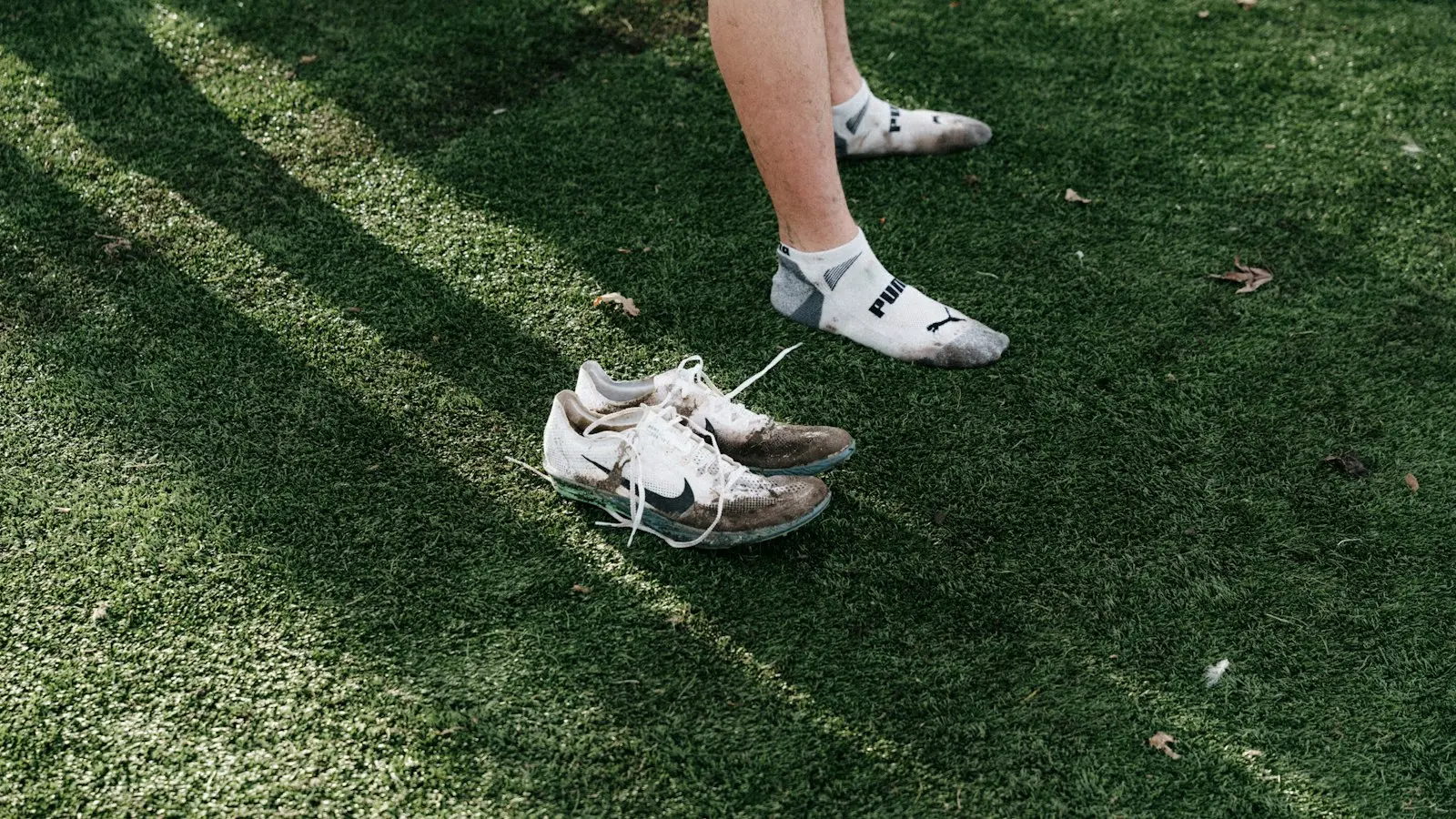
A new sports shoe is worth buying when it solves a clear problem that your current pair cannot: poor fit, failing traction, structural wear, sport-specific demands, or a measurable training goal. A higher price, newer release, or longer list of technologies is not enough on its own.
This sports shoe upgrade guide focuses on the decision behind the purchase. The right choice depends on where you train, how you move, how the shoe feels late in a session, how quickly it wears, and whether its benefits justify its compromises.
Key Takeaways
- Upgrade when your current shoes have clear wear, cause recurring discomfort, lack necessary traction, or no longer suit your activity.
- Fit, comfort, and sport-specific performance matter more than a shoe’s release date or technology list.
- Cushioning, stability, weight, flexibility, plates, and responsiveness all involve trade-offs rather than universal benefits.
- Mileage is only a rough replacement guide; traction, structure, comfort, and performance changes matter too.
- A familiar older model, a second pair, or a training adjustment may be better value than the newest release.
Start With the Problem You Want the New Shoe to Solve
Begin with the activity, not the brand. Road running, trail running, walking, gym training, court sports, and field sports place different demands on a shoe. A road-running model may roll smoothly in a straight line but lack the lateral stability and abrasion resistance required for tennis or basketball. A trail shoe may grip uneven ground well while feeling unnecessarily stiff or heavy on pavement.
Mixed use deserves particular care. A shoe that feels comfortable during a long day of walking or standing may reduce fatigue in that setting, but this does not prove it will handle sharp changes of direction, wet grass, court movement, or faster running. Walking-heavy travel is a useful comfort test, not a substitute for sport-specific testing.
Next, identify the actual weakness in your current pair. Common reasons to upgrade include:
- The heel slips, the toes feel compressed, or the upper creates pressure points.
- The outsole has lost traction on the surfaces where you train.
- The midsole feels noticeably flat, hard, or less supportive than before.
- The shoe causes recurring rubbing or discomfort during otherwise manageable sessions.
- You need a different tool for intervals, racing, trail use, court play, or strength training.
- The current model no longer accommodates a change in training volume, surface, or goals.
Do not automatically blame footwear for every performance or pain problem. A sudden increase in mileage, inadequate recovery, altered technique, or a workload that exceeds current conditioning can create symptoms even with a suitable shoe. Shoes can affect comfort and load distribution, but they are not guaranteed injury-prevention devices. Persistent pain, numbness, or swelling warrants professional assessment rather than a guess based on marketing claims.
Put Fit and Comfort Ahead of New Technology
A technically advanced shoe that does not fit is a poor upgrade. Check length, width, toe space, heel security, arch sensation, and pressure across the top of the foot while wearing the socks used for the sport. Fit the larger foot if your feet differ in size, and try shoes later in the day when feet may be slightly more expanded.
Your toes should have room to move without the foot sliding forward. The heel should remain secure during acceleration and changes of direction, but excessive tightness around the ankle can create its own pressure problem. Walk, jog, squat, or perform a few sport-specific movements rather than judging the shoe only while standing still.
A good sports shoe comparison should begin with the familiar pair that already works. The latest version may use a different last, foam, heel counter, upper, or geometry. Those changes can be improvements for some athletes and distractions for others. If the older model fits securely, remains structurally sound, and meets the demands of your activity, keeping it may be the more rational decision.
Some shoes change feel after several sessions, particularly when their materials are unusually firm or structured. That does not mean an uncomfortable shoe should be endured indefinitely. Persistent rubbing, tingling, numbness, slipping, or concentrated pain is a fit warning, not a normal break-in target.
Compare Cushioning, Stability, Weight, and Responsiveness as Trade-Offs
Cushioning is not simply a matter of more being better. A softer or thicker midsole may feel comfortable during long sessions and reduce the sensation of impact for some users, but it can also add weight, height, cost, or a less direct connection with the ground. A firmer shoe may feel more controlled and responsive, yet less forgiving during prolonged use.
These shoe cushioning trade-offs are especially important when comparing a daily trainer with a lightweight workout or racing model. The lighter option may feel efficient at faster paces, but it may offer less versatility, protection, or durability for all-purpose training. A highly cushioned model may suit easy running or extended walking while feeling cumbersome during drills or quick lateral movement.
Stability features should be understood as design choices, not universal prescriptions. A broader platform, structured upper, firmer sidewall, or guidance element may make a shoe feel more secure for a particular athlete. However, stability systems are not automatically necessary because of an arch shape, a single wear pattern, or a label such as overpronation. They also should not be presented as a guaranteed way to prevent injury.
Plates and other stiffening elements can change how a shoe bends and rolls. That may be useful for a specific race or workout, especially when the athlete has tested the design and understands its feel. The same construction can be less comfortable for easy sessions, less adaptable to varied surfaces, or harder to use if introduced abruptly. Premium features should match a defined purpose rather than fill an empty slot in a product specification sheet.
Use a comparison like this before buying:
| Factor | What to compare | Main trade-off or question |
|---|---|---|
| Activity and surface | Road, trail, court, field, gym, or mixed use | Does the outsole and geometry match the movement demands? |
| Fit and widths | Toe room, heel hold, available widths | Is the foot secure without pressure or rubbing? |
| Cushioning feel | Soft, firm, protective, or direct | Will comfort come at the cost of weight or ground feel? |
| Stability approach | Platform, sidewall, upper, or neutral design | Does it improve control for this athlete and activity? |
| Weight | Listed weight and on-foot feel | Is the benefit worth reduced protection or durability? |
| Flexibility or plate | Flexible, stiff, plated, or rocker geometry | Is it suited to the intended pace and movement? |
| Traction | Rubber coverage and tread pattern | Will grip remain reliable on the actual surface? |
| Durability | Outsole, upper, midsole, and construction | How much use is realistic before performance changes? |
| Break-in needs | Immediate comfort and material adaptation | Is the adjustment reasonable and free from pain? |
| Price and returns | Purchase cost, warranty, and return terms | What happens if the fit or performance is wrong? |
Separate manufacturer specifications from independent testing and personal impressions. Weight, drop, stack, plate construction, and rubber placement can be useful comparison points, but they do not predict exactly how every athlete will experience a shoe. A reviewer’s comfort preference is not the same as a measured performance outcome.
Decide Whether Durability and Replacement Needs Justify the Cost
Knowing when to replace running shoes requires more than checking a mileage number. Inspect the outsole for worn-through rubber or a loss of usable traction. Look for exposed or visibly compressed midsole material, a damaged upper, a stretched heel counter, broken eyelets, and changes in how the shoe feels during familiar sessions.
Wear patterns can differ according to training volume, body mass, gait, surface, weather, cleaning, storage, and the design of the shoe. Heel wear may be prominent in one runner, while another sees faster wear beneath the forefoot. Neither pattern alone proves which support category that athlete needs.
Mileage ranges are only rough guidance. Some everyday trainers may be considered for replacement after several hundred miles, while others fail sooner or remain comfortable longer. Manufacturer recommendations can provide context, but the shoe’s condition and the athlete’s feedback matter more than treating any mileage figure as an automatic rule.
Replace a pair sooner if traction has deteriorated on a surface where grip is essential, the structure has become unstable, or the shoe is producing new and repeatable discomfort. Conversely, a lightly used pair does not need retirement simply because a newer version has launched.
A two-pair rotation can be useful when the shoes have distinct roles, such as a durable daily trainer and a lighter workout model. Alternating shoes may also make it easier to match footwear to the session and observe whether a particular pair is linked to discomfort. Rotation does not automatically extend every shoe’s lifespan, however; it only helps when both pairs are appropriate and monitored.
Judge value through total use rather than purchase price alone. Consider expected usable life, traction, warranty, return policy, replacement availability, and whether the shoe prevents a recurring problem such as blisters or surface-specific instability. A cheaper shoe that fits poorly can be more expensive than a durable premium model that is used consistently. The reverse is also true: an expensive race shoe is poor value if its special feature is irrelevant to your training.
Use a Decision Framework Before Buying an Upgrade
A premium feature deserves consideration when it matches a measurable need. Examples include reliable grip for a particular trail, comfortable protection for long sessions, a secure width option that other shoes lack, or a race-focused design that has been tested during appropriate workouts. The benefit should be specific enough that you can explain what will improve and how you will notice it.
Keep the older model when it fits well, remains structurally sound, and performs adequately for the intended activity. Familiarity has practical value: you already know how it behaves, where it wears, and whether it produces discomfort. A new release may be objectively different without being subjectively better for your feet or training.
Before purchasing, ask:
- What activity will this shoe perform most often?
- Which surfaces will it encounter?
- What specific problem does it solve?
- Does the fit remain secure during running, jumping, cutting, or lifting?
- Are the useful features relevant to my sessions, or merely novel?
- What compromises come with the cushioning, stability, weight, or plate?
- How will I monitor wear and changing comfort?
- Are the price, warranty, and return terms reasonable for my expected use?
If your current pair is sound but unsuitable for only one type of session, buying a second pair may be smarter than replacing the first. If both pairs fit and perform well, a training adjustment, more gradual workload increase, or better recovery may address the real problem. Footwear should support a sound training plan, not compensate for every flaw in one.
FAQ
When should you replace running shoes?
Replace them when structural wear, lost traction, compressed cushioning, damaged materials, or changing comfort affects performance or confidence. Mileage can help you monitor a pair, but it is approximate and should be considered alongside condition, training surface, volume, and manufacturer guidance.
Do new shoe technologies improve athletic performance?
They can improve a particular outcome for some athletes and activities, but benefits depend on construction, surface, movement pattern, testing method, and familiarity with the shoe. Separate measured performance findings from comfort reports, brand claims, and individual preference. A feature that helps during a race may be unnecessary for daily training.
Are expensive sports shoes worth the price?
They are worth considering when the fit is reliable, the construction suits the activity, the durability is appropriate, and the premium feature addresses a meaningful need. A lower-priced model or an older release may be better when it fits equally well and provides the required traction, comfort, and protection.
The clearest upgrade is not always the newest shoe. Buy when the new model addresses a specific, evidence-supported need; otherwise prioritize fit, appropriate rotation, visible condition, and sensible training adjustments.