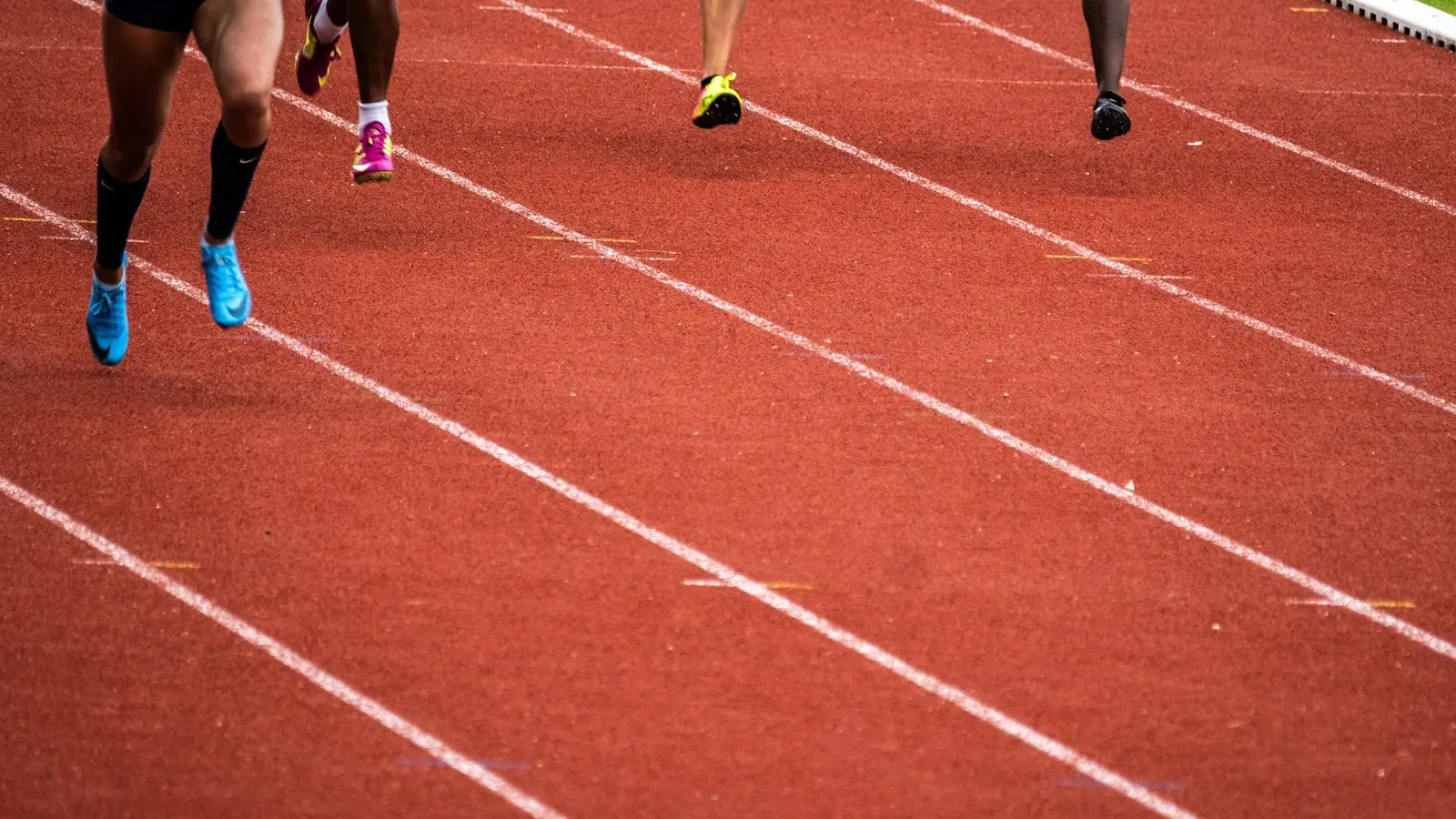
The short answer is that sports equipment can improve performance, but usually only when it solves a specific problem. Correctly fitted shoes may improve traction and comfort, a better-balanced racket may improve control, and a properly configured bicycle may help transfer effort more efficiently. However, premium materials, professional branding, and visible technology do not guarantee better results.
The most useful way to judge sports equipment performance benefits is to identify the athlete’s limiting factor first. If the real problem is inconsistent technique, insufficient conditioning, poor recovery, or weak tactical decisions, a more expensive product may change very little. If the problem is poor fit, worn components, inadequate protection, or equipment that no longer matches the sport or conditions, an upgrade can be much more meaningful.
Key Takeaways
- Equipment matters most when it solves a clear problem involving fit, safety, control, traction, durability, or power transfer.
- Beginners usually gain more from safe, forgiving, correctly fitted equipment than from professional-level features.
- Premium materials and technology offer diminishing returns when technique, conditioning, recovery, or strategy is the real bottleneck.
- Judge an upgrade by total ownership cost, sport-specific rules, maintenance, and evidence—not sticker price alone.
- Test one major equipment change at a time and look for repeatable improvements under similar conditions.
When Sports Equipment Can Meaningfully Improve Results
Equipment has the greatest performance value when it removes friction from an activity. That friction might be physical, technical, or practical: slipping, discomfort, poor balance, unreliable grip, excessive weight, limited adjustability, or equipment that makes it difficult to repeat a sound movement.
Fit is often the first issue to investigate. Shoes that are too narrow, too loose, or poorly suited to the surface can distract an athlete and affect stability. A racket with an unsuitable grip size or balance can make control more difficult. A badly adjusted bicycle may waste effort through an inefficient position, although setup and technique still matter. In each case, the meaningful benefit comes from solving a mismatch rather than simply paying more.
An upgrade is also more likely to matter when current equipment is worn, damaged, unsafe, or no longer appropriate. Deteriorated traction, damaged frames, unreliable fasteners, and fatigued high-wear parts can affect confidence and consistency. The right response may be a replacement with a simpler model, not an elite-level upgrade.
A third condition is the athlete’s ability to use the equipment’s features. Advanced equipment often has a narrower range of ideal use. A highly responsive racket, stiff shoe, aerodynamic bicycle component, or data-rich wearable may reward consistent technique but offer little advantage to someone still learning basic movement patterns. Some designs may even feel less forgiving when the athlete misses the intended movement.
This distinction separates functional performance benefits from marketing appeal. Traction, control, impact protection, adjustability, and dependable power transfer are functional goals. Premium finishes, fashionable colors, professional endorsements, and complex feature lists may improve enjoyment or identity without producing a measurable change in results.
The effect also depends on the sport, athlete, surface, weather, rules, and equipment model. A feature that matters on a wet outdoor surface may be irrelevant indoors. A lighter setup may help one athlete move more freely but make another feel unstable. There is no universal percentage that applies to every equipment upgrade.
Fit, Comfort, and Technology: What Matters Most
Fit and comfort usually deserve attention before headline technology. Equipment that stays in place, matches the athlete’s body, and allows natural movement can support consistency even when its performance effect is difficult to measure directly.
For shoes, relevant factors include length, width, heel security, traction, cushioning preference, flexibility, and compatibility with the playing surface. More cushioning is not automatically better, and a lighter shoe is not automatically faster. The useful choice is the one that allows the athlete to move confidently without creating distracting pressure points or instability.
Rackets and similar implements involve shape, grip size, weight, balance, string or surface characteristics, and the player’s ability to control them. More power can be attractive, but control and maneuverability may matter more for a developing player. An advanced setup can also require more precise technique and regular maintenance.
For bicycles, fit, contact points, adjustment, gearing, tire choice, and reliable braking may be more important than an expensive frame material. Aerodynamic or lightweight components can offer sport-specific advantages under particular conditions, but those benefits should be weighed against cost, durability, handling, repair complexity, and competition rules.
Protective equipment has a different priority. A helmet, guard, pad, or other protective item must be appropriate for the activity, correctly fitted, maintained, and accepted by the relevant organization when used in competition. Comfort matters because equipment that shifts, pinches, obstructs movement, or encourages an athlete to remove it is not serving its purpose. Comfort should not, however, be treated as proof that an item prevents injury.
Wearable technology can make training easier to monitor, but a device’s usefulness depends on the activity, sensor placement, software, and measurement quality. A metric may help track trends without being precise enough for every individual decision. The key question is whether the information changes training behavior in a useful way, not whether the device displays more numbers.
There are also trade-offs. Lighter equipment may sacrifice durability or stability. Greater stiffness may improve responsiveness for one athlete while reducing forgiveness for another. More adjustability can improve fit but add setup demands. New materials may reduce weight or alter feel while increasing purchase and repair costs. Testing equipment, borrowing it, or using a return policy can reveal these trade-offs better than specifications alone.
How Benefits Change by Athlete Level
Beginners should generally prioritize correct fit, safety, ease of use, durability, and equipment that supports basic technique. They do not need every feature designed for elite competition. A forgiving and dependable product is often a better beginner equipment choice than a highly specialized model that demands precise movement or frequent maintenance.
This does not mean beginners should buy the cheapest available option. Very low-cost equipment can create problems if it fits poorly, breaks quickly, lacks appropriate protection, or cannot be adjusted. The goal is suitable equipment, not the lowest sticker price.
Intermediate athletes have more reason to consider a targeted upgrade. At this stage, training may be consistent enough for a limitation to become visible. An athlete might repeatedly lose traction on a particular surface, struggle to control a racket with a certain balance, experience comfort problems during longer sessions, or need more reliable equipment for increased training volume.
The upgrade should still be tied to an observable issue. If changing equipment cannot be connected to a specific limitation, coaching, conditioning, recovery, or practice design may offer better value. A mid-range product with a good fit can outperform a premium product that does not match the athlete’s movement or goals.
Advanced and competitive athletes may benefit from smaller differences in weight, responsiveness, aerodynamics, balance, or consistency. At this level, athletes often repeat movements closely enough to notice subtle changes and may compete under conditions where small equipment differences accumulate. Even then, rules, surface, weather, maintenance, and personal preference shape the result.
This is diminishing returns in practice. The first improvement from unsafe or poorly fitted equipment can be substantial. The next improvement from a suitable mid-range product may be useful but more limited. The move from a good, well-matched product to an elite version may be difficult to detect outside specific conditions.
A simple bottleneck test helps. Identify one limitation, change one major equipment variable, and compare similar sessions or performances. Keep the surface, workload, warm-up, and conditions as consistent as practical. Look for repeatable changes in comfort, control, interruptions, or output rather than relying on the excitement of a new purchase.
Safety, Rules, and Total Ownership Cost
Safety should usually outrank performance-oriented upgrades. Check whether protective equipment is designed for the activity, carries the markings or approvals required by the relevant governing body, and fits the athlete correctly. Rules can differ between organizations, leagues, age groups, competition levels, and jurisdictions, so a product accepted in one setting may not be legal in another.
Do not assume that a certification label covers every use. Confirm the current requirements for the sport and competition in which the equipment will be used. For technical details, official governing-body rules and manufacturer documentation are more reliable than general buying advice.
Inspect high-wear and impact-protection equipment regularly. Replacement depends on the product, use, visible damage, environmental exposure, care, and manufacturer guidance; there is no universal schedule that applies to every shoe, helmet, pad, strap, or component. Suspected damage or persistent pain deserves attention from an appropriate qualified professional rather than an equipment experiment.
The real price is the total ownership cost. Add fitting or setup, compatible accessories, maintenance, replacement parts, shipping, possible sizing mistakes, break-in time, and warranty limitations. A device may require subscriptions or charging habits. A bicycle component may require specialized installation. A racket may involve recurring stringing or grip costs. Protective equipment may need replacement after damage even if it still looks usable.
Resale value and return policies can reduce risk, but only if the product remains eligible for return and has been used within the stated conditions. A cheaper product that lasts longer may be better value than a premium product with fragile finishes or expensive repairs. Manufacturer claims should also be separated from independent testing, particularly for durability, injury risk, energy return, accuracy, and performance benchmarks.
A Practical Equipment Upgrade Guide
Use this sequence before buying:
- Identify the bottleneck. Is the problem equipment, fit, technique, conditioning, recovery, strategy, or motivation?
- Check the current equipment. Confirm that it is safe, legal, correctly sized, and in usable condition.
- Define the desired outcome. Examples include fewer comfort interruptions, better control, more reliable traction, easier setup, or more consistent training data.
- Compare the full value. Assess fit, function, durability, evidence, warranty, compatibility, and total cost rather than price alone.
- Test before committing. Borrow, rent, or use an exchange policy when possible. Change one major variable at a time.
- Reassess after normal use. Separate repeatable improvement from novelty, confidence, and the temporary excitement of new gear.
Buy now when current equipment is unsafe, damaged, badly fitted, illegal for the intended competition, or clearly preventing normal training. Choose a mid-range option when you need dependable function but have not established a specialized requirement. Invest in coaching or training when equipment is serviceable and the limitation appears in technique, conditioning, recovery, or decision-making.
Before upgrading, ask:
- What specific limitation will this solve?
- Is it appropriate for my sport, level, body, and conditions?
- Is the claimed benefit supported by reliable testing?
- What are the maintenance, replacement, and compatibility costs?
- Can I test, return, exchange, or resell it if the fit is wrong?
FAQ
Does expensive sports gear actually improve performance?
Sometimes, but price alone is not evidence of improvement. Expensive sports gear can help when it solves a real problem involving fit, safety, control, durability, or sport-specific performance. It is unlikely to matter much when the athlete’s main limitation is technique, conditioning, recovery, or strategy.
Should beginners buy professional-level sports equipment?
Usually not. Beginners generally benefit more from safe, correctly fitted, forgiving, and durable equipment than from specialized professional models. Advanced features become more valuable after the athlete has consistent technique and can identify a limitation those features address.
How do I know whether I need new equipment or better training?
Check the equipment’s condition, fit, legality, and reliability first. Then observe whether the problem persists when technique, workload, and conditions are controlled. Coaching feedback, repeatable results, and a one-variable equipment comparison can help show whether the bottleneck is equipment or training.
What is a reliable way to test an equipment upgrade?
Borrow or test it when possible, use it under normal conditions, and compare it with your current equipment across several similar sessions. Track a specific outcome such as comfort interruptions, control, consistency, or output. Avoid changing shoes, training plans, technique, and equipment simultaneously, because you will not know what caused the difference.